




How to Derust a Knife Safely and Effectively

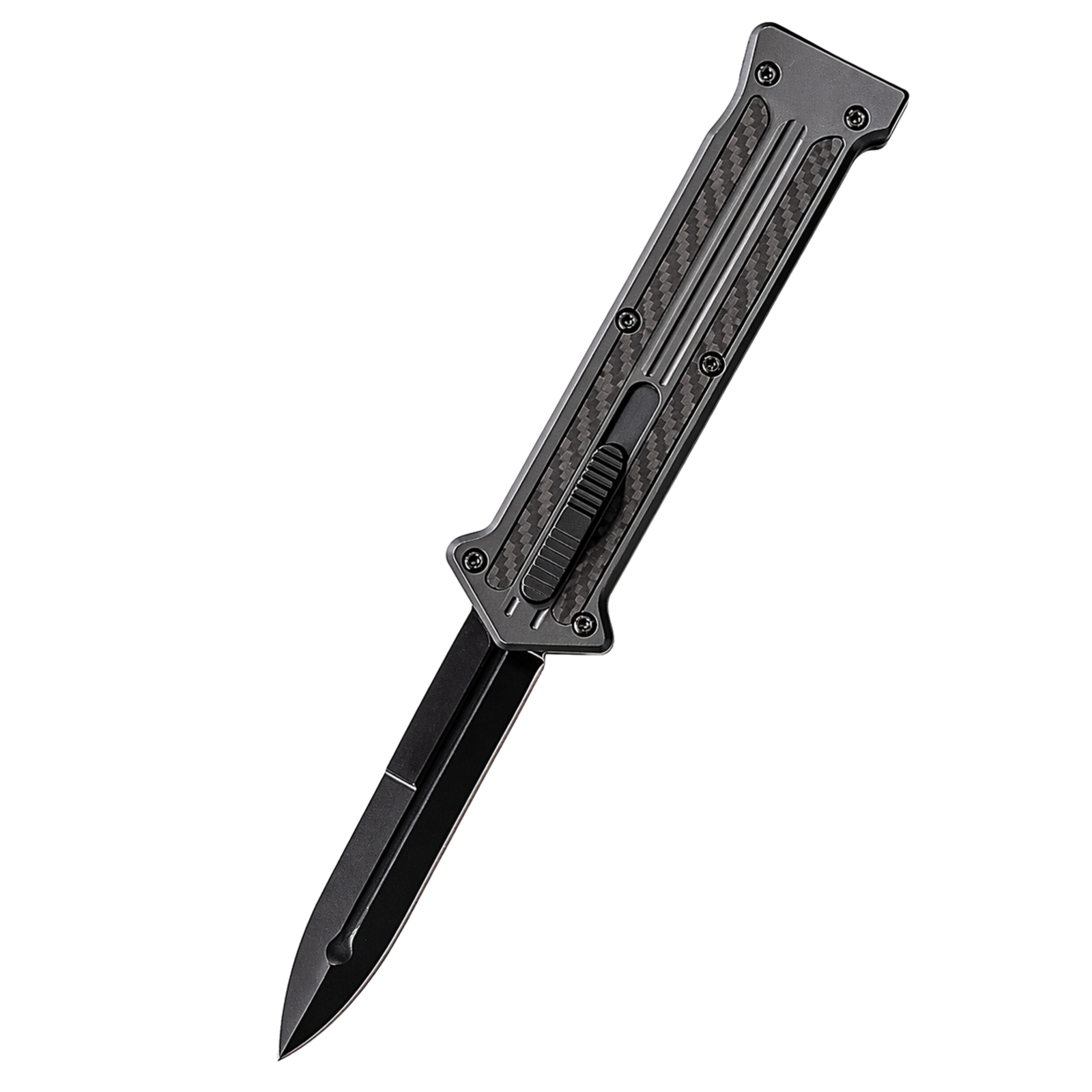
If you need to derust a knife, start with the gentlest method that matches the amount of rust present: wipe off loose debris, soak or cover the rusted area with vinegar or a rust remover if needed, then scrub lightly with a soft abrasive like baking soda paste, a nylon pad, or fine steel wool used carefully on steel blades. Finish by drying the knife completely and applying a thin protective oil. The key is to remove rust without scratching the finish, dulling the edge, or letting moisture stay trapped on the blade.
Why knives rust in the first place
Rust forms when iron in the steel reacts with moisture and oxygen. Even a good knife can show orange spots if it is stored wet, left in a humid drawer, washed and not dried properly, or handled with salty food residue on the blade. For retailers and wholesale buyers, this matters because rust can turn a sellable item into a return or a discount item quickly. It also affects how customers judge quality, especially with display pieces and everyday carry knives.
Some blade materials resist corrosion better than others, but no knife is completely immune. Carbon steel tends to rust faster than many stainless steels, and decorative finishes or tight moving parts can trap moisture. Understanding the material helps you choose the right cleaning method and avoid unnecessary wear.
What to do before you start
Before you begin, make sure the knife is clean, closed if it is a folding model, and handled with care. You do not need aggressive tools for light rust, and it is usually better to work slowly than to scrub too hard.
- Dry the knife first so you can see the rust clearly.
- Put on gloves if the blade is sharp or if you are using cleaning products.
- Work on a stable surface with good lighting.
- Keep the edge pointed away from your hands and body.
- Test any cleaner on a small area if the blade has a coated or decorative finish.
If a knife is heavily pitted, deeply corroded, or has rust near the pivot or lock of a folding knife, a careful inspection is better than forcing a quick fix. In wholesale or retail settings, that helps you decide whether an item is worth restoring, discounting, or separating from standard inventory.
Simple ways to remove rust from a knife
For light surface rust, a mild approach is often enough. One of the easiest methods is to make a paste with baking soda and a little water, spread it on the rusted spots, let it sit for a few minutes, then rub gently with a soft cloth or nylon scrub pad. Wipe clean and repeat if needed.
For more stubborn rust, white vinegar can help loosen oxidation. Dampen a cloth with vinegar, apply it to the rusted area, and let it sit briefly. Then scrub lightly and rinse or wipe the blade thoroughly. Do not leave the blade soaking too long, especially if it has decorative parts, a handle material that dislikes moisture, or a finish that may be affected by acid.
Another option is a dedicated rust remover made for metal tools. These products can work well when you need consistent results across multiple knives in a shop or warehouse, but they should always be used according to the label and with proper ventilation.
For light rust spots
- Baking soda paste
- Soft cloth
- Nylon pad or very fine non-scratch sponge
- Thorough drying afterward
For more stubborn oxidation
- White vinegar or a safe rust remover
- Careful spot treatment rather than full soaking
- Gentle scrubbing in the direction of the blade finish
- Immediate drying and oiling
After cleaning, apply a small amount of mineral oil or another blade-safe protectant to help slow future rust. This step is especially useful for knives stored in humid areas, long-term inventory, or customer returns that may sit before resale.
What not to do when removing rust
Many rust problems get worse because someone uses the wrong method. Harsh sanding, overly aggressive abrasives, or long soaking can damage both the blade and the handle. If you are handling knives for resale, those mistakes can reduce value fast.
- Do not use coarse sandpaper unless the knife is already being refinished.
- Do not leave carbon steel wet after cleaning.
- Do not soak folding knives for long periods, especially around pivots and springs.
- Do not use bleach or strong household cleaners that can discolor or pit metal.
- Do not forget to dry the handle, liner, and pivot area.
It is also important not to mix rust removal with careless handling. A knife that looks dull may still be sharp enough to cut skin, so cleaning should be done with the same attention you would use for any sharp tool.
How to keep rust from coming back
Once the rust is gone, prevention matters more than the cleanup itself. The best habit is simple: keep the knife dry. That means wiping it after use, especially after cutting citrus, meat, salty foods, or anything damp. For knives that are stored rather than carried, use a dry environment and avoid sealed spaces that trap humidity.
For buyers and distributors, rust prevention is also a packaging and storage issue. Knives shipped in bulk should be kept away from moisture, and display pieces should be checked regularly. If you source inventory seasonally or store it for long periods, a light protective coating and proper packaging can help preserve appearance and customer satisfaction.
- Dry the blade immediately after cleaning or use.
- Apply a thin coat of blade-safe oil when appropriate.
- Store knives in a low-humidity area.
- Inspect inventory periodically for early rust spots.
- Keep leather sheaths dry, since leather can hold moisture against metal.
If you are looking for product lines that fit retail or resale needs, it helps to compare blade materials, finishes, and storage styles before placing a bulk order. For example, many buyers review the OTF and auto knife wholesale category when they want a mix of presentation, function, and inventory variety for their customers.
Buyer considerations for rust-prone knives
Not every knife is meant for the same environment, and that matters when you are buying for a store, online shop, or distribution channel. If you expect high humidity, frequent handling, or long shelf time, look for models with corrosion-resistant blade steel, protective finishes, and packaging that helps reduce exposure to moisture.
It also helps to ask how the knife will be used and stored by your end customer. A kitchen-style blade, a collectible display piece, and a utility knife all face different conditions. For wholesale buyers, that means rust resistance should be part of the buying decision, not an afterthought. Ordering from a supplier that understands inventory handling can reduce returns and protect margins.
If you are sourcing for resale or expanding a lineup, you can also use your supplier relationship to ask about packaging, coating, and storage recommendations. For business purchases, a direct wholesale inquiry is a practical way to discuss product options and order volume before you commit.
Common mistakes that shorten a knife’s life
Rust removal is only one part of maintenance. Many blades get damaged by avoidable habits that seem small at first.
- Storing a knife while it is still damp
- Leaving food residue on the blade overnight
- Using the wrong cleaner on coated or decorative finishes
- Ignoring rust until it becomes pitting
- Putting a wet knife into a sheath or case
For retail buyers, these mistakes are worth sharing with customers because a simple care card can reduce complaints and improve satisfaction. For distributors and resellers, it can also lower the chance of returns tied to avoidable maintenance issues.
When a knife may need more than cleaning
Sometimes rust is only on the surface, but sometimes it has already caused visible pitting or affected moving parts. If the blade has deep corrosion, the edge is uneven, or a folding knife no longer opens and closes smoothly, cleaning may not be enough. In those cases, the knife should be evaluated carefully for safety and usability.
For business buyers, this is where product selection matters. Better materials, better storage, and better packaging all reduce the chance that a knife arrives with corrosion issues or develops them in storage. That is why many wholesale customers look beyond price alone and compare how a supplier handles finish quality and inventory consistency.
FAQ: quick answers about rust removal
Can I derust a knife with vinegar?
Yes, vinegar can help loosen light to moderate rust. Use it carefully, do not soak the knife for too long, and dry the blade completely afterward.
Is steel wool safe on knife blades?
Very fine steel wool can be used carefully on some plain steel blades, but it can scratch finishes. A softer pad or cloth is often a better first choice.
Should I oil the knife after cleaning?
Usually yes. A thin protective layer can help slow future rust, especially on blades stored in humid areas or handled less often.
What if the rust keeps coming back?
That usually means moisture is still present or the knife is being stored in a poor environment. Check drying habits, storage conditions, and whether the blade material is suited to that use.
Can I use the same method on every knife?
No. Blade material, coating, handle type, and folding mechanisms all matter. Always choose the mildest effective method and verify care guidance for the specific knife type.
With the right method, most rust can be removed without damaging the blade. The real long-term fix is good drying, smart storage, and choosing knives that match the conditions they will face. For shoppers, that means better ownership. For retailers and wholesale buyers, it means fewer complaints, stronger product presentation, and inventory that holds its value longer.