




How to Keep a Knife From Rusting

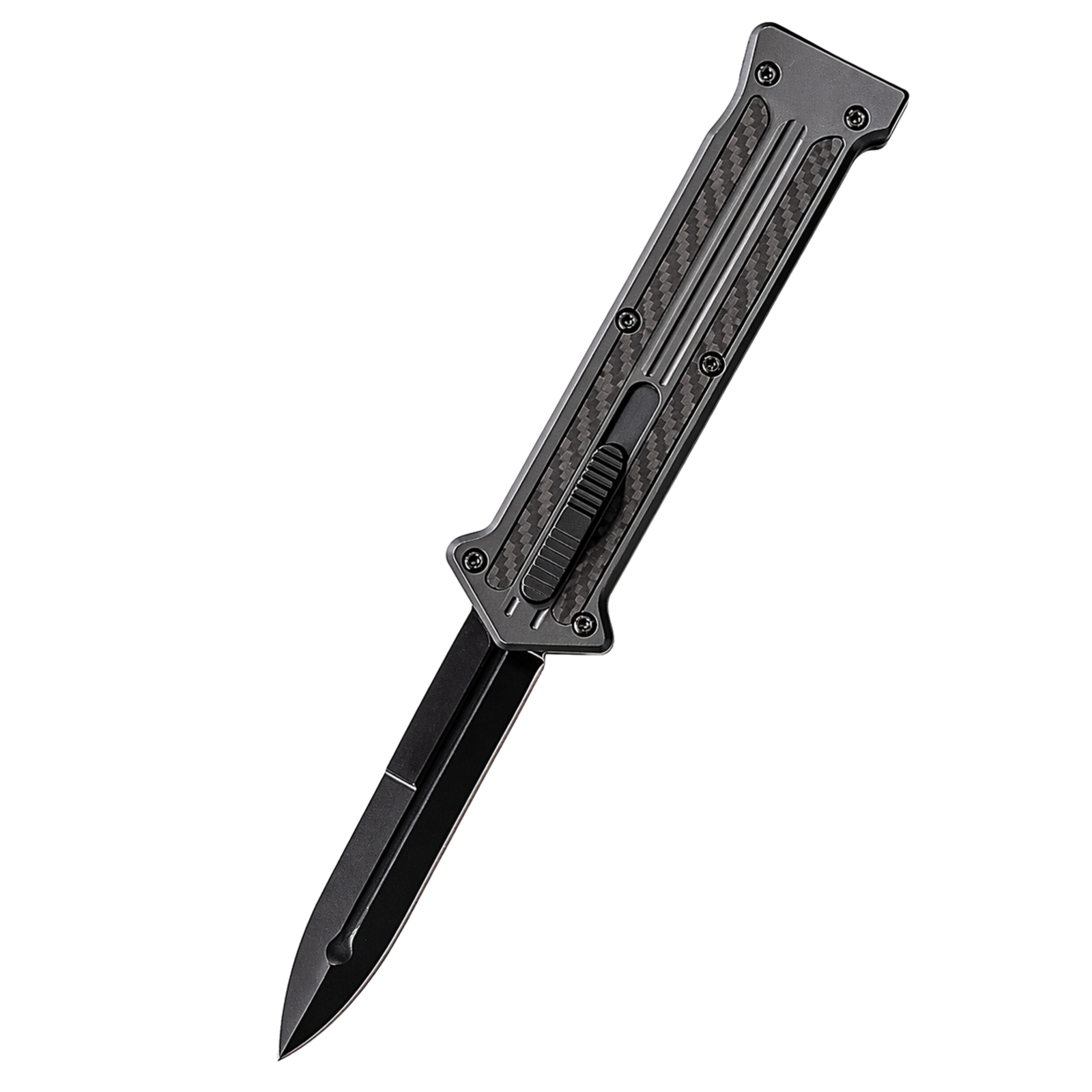
If you want to keep a knife from rusting, the most important habit is simple: clean it after use, dry it completely, and store it in a dry place with a light protective coating if needed. Rust forms when moisture, oxygen, and time work together, so the best prevention is consistent care rather than occasional deep cleaning. That applies whether you are maintaining a kitchen knife, a pocket knife, or inventory you plan to resell.
What causes knife rust in the first place?
Rust is a reaction between iron in the steel and moisture in the air or on the blade. Some steels resist corrosion better than others, but no knife is completely immune if it is left wet, dirty, or stored in poor conditions. Fingerprints, food acids, salt, and humidity all speed up the process.
For retailers and wholesale buyers, this matters because knives often sit in warehouses, display cases, or shipping cartons before they ever reach a customer. A blade can look fine when packed and still develop surface rust if it is exposed to damp storage or handled without care.
The fastest way to prevent rust after use
The best routine is short and consistent. As soon as the knife is no longer needed, wipe away moisture and residue. If it has been used on food, wash it gently with mild soap and warm water, then dry every part of the blade, handle, and pivot area. Do not leave it to air dry if you can avoid it, especially around the joint or along the spine where water can collect.
For folding knives, open the blade carefully and dry around the pivot, liners, and locking area. For fixed blades, pay attention to the handle junction and any sheath contact points. A few extra seconds of drying can prevent a lot of future maintenance.
Use the right towel and drying method
A soft microfiber cloth or clean cotton towel works well because it removes water without leaving much lint behind. If the knife has textured scales, grooves, or a tight pivot, use a dry cloth corner or a cotton swab to reach small spaces. Avoid putting a wet knife back into a sheath, case, or drawer organizer.
Choose the right storage conditions
Storage is one of the biggest factors in rust prevention. Even a well-cleaned knife can corrode if it is kept in a humid basement, a sealed sheath with trapped moisture, or a box with no airflow. The goal is to keep the knife dry, clean, and away from prolonged condensation.
- Store in a dry area: Avoid damp garages, unventilated basements, and places near sinks or dishwashers.
- Use protective packaging wisely: If knives are stored for inventory, make sure packaging is dry and not trapping moisture.
- Do not store wet in leather: Leather can hold moisture against the blade and encourage corrosion.
- Check humidity: In humid climates, a desiccant pack or dehumidified storage area can help.
If you are a reseller or distributor, this is especially important during transit and warehouse storage. A knife that is protected from moisture during shipping is much less likely to arrive with spotting or discoloration.
Oil and protective coatings: when they help
A light protective coating can add a useful barrier against moisture, especially for carbon steel blades or knives stored for longer periods. Many owners use a thin layer of mineral oil, food-safe blade oil, or another corrosion-inhibiting product suitable for the knife’s intended use. The key is to apply only a small amount and wipe off the excess so the blade does not feel greasy or collect dust.
For kitchen knives, choose a product that is appropriate for food contact if the blade may touch food later. For pocket knives and display inventory, a very light coat is usually enough. Always follow the manufacturer’s care guidance when available.
When oiling matters most
- Carbon steel blades that stain more easily
- Knives stored for weeks or months at a time
- Products shipped through humid regions
- Display knives handled frequently by customers
If you manage a retail shelf or wholesale stockroom, a regular inspection schedule is worth the effort. Catching early spotting is much easier than removing heavy rust later.
Material matters: not all knives behave the same
Some steels are more corrosion-resistant than others. Stainless steel generally offers better rust resistance than high-carbon steel, but stainless does not mean rust-proof. Finish quality, edge geometry, and care habits still matter.
When buyers compare products, they should look at more than the price tag. A good purchasing decision often includes the steel type, coating, handle materials, and how the knife will be stored or displayed. For example, a knife with a durable finish and reliable packaging may be a better wholesale option for humid markets than a lower-cost blade that needs constant maintenance.
If you are sourcing inventory, you may also want to review the product mix in the OTF and auto knife wholesale category and choose models that fit your customers’ climate, use case, and display needs.
Common mistakes that lead to rust
Rust often starts with small, avoidable habits. A knife may be sharpened carefully and still corrode because it was put away damp or exposed to salty residue. These are some of the most common mistakes:
- Leaving the blade wet after washing
- Storing a knife in a leather sheath for long periods
- Putting a dirty knife away after cutting acidic foods
- Using too much oil, which attracts dust and grime
- Ignoring small orange spots until they spread
One practical example: a folding knife carried near the coast may develop tiny rust spots faster than the same knife used inland. Salt air and humidity can be enough to trigger corrosion if the blade is not wiped down regularly.
How to remove early rust without damaging the blade
If you notice light rust, act quickly. Early surface rust is often easier to remove than people expect. Use a soft cloth with a gentle cleaner or a rust-removal product approved for knives. For very light spotting, a non-abrasive method is best so you do not scratch the finish.
Work slowly and check your progress often. If the knife has a coated blade, test any cleaner on a small area first to avoid stripping the finish. After removing the rust, dry the knife thoroughly and apply a light protective layer if appropriate.
If rust is deep, pitted, or affecting a folding mechanism, it may be better to have the knife inspected by someone experienced with knife maintenance. Prevention is still the best approach because heavy corrosion can shorten blade life and reduce resale value.
What wholesale buyers should look for
For stores, online sellers, and distributors, rust prevention starts before the product is even sold. Good packaging, consistent finishing, and sensible material selection can reduce returns and customer complaints. When comparing suppliers, ask about blade finish, packaging protection, storage recommendations, and how products are handled before shipment.
Wholesale buyers should also think about the market they serve. A customer in a dry climate may have different expectations than one in a coastal or high-humidity region. If you want to discuss inventory options or request pricing for your business, the wholesale inquiry form is the best place to start.
Simple rust-prevention routine you can follow
- Use the knife normally and avoid unnecessary exposure to moisture.
- Wash it gently if needed, especially after food use.
- Dry every surface completely, including pivots and hidden edges.
- Store it in a dry place away from trapped humidity.
- Apply a light protective oil only when the blade type and use call for it.
- Inspect regularly for spotting, discoloration, or rough patches.
This routine is easy to maintain and works for personal knives as well as retail stock.
FAQ
Can stainless steel knives rust?
Yes. Stainless steel resists rust better than carbon steel, but it can still corrode if it stays wet, salty, or dirty for too long.
Is it okay to store a knife in a sheath?
Only if the knife and sheath are both completely dry and the knife will not sit there for long periods. Leather and some fabric sheaths can trap moisture, so long-term storage in a sheath is not ideal.
What is the best oil to prevent rust?
A light protective oil made for knives is usually the safest choice. For kitchen knives, use a food-safe option when the blade may contact food. Always follow the knife maker’s care instructions when available.
How often should I check stored knives for rust?
For personal use, monthly checks are a good habit if the knife is stored long-term. For retail or wholesale inventory, inspections should be more frequent in humid environments or during seasonal changes.
What should I do if I see a small rust spot?
Remove it as soon as possible with a gentle, non-abrasive method, then dry and protect the blade. Small spots are much easier to manage than deep corrosion.
Keeping a knife from rusting is mostly about consistency: dry it, store it well, and check it before small problems become permanent. Whether you are caring for one knife at home or managing inventory for a store, those habits protect both performance and value.