
Short answer
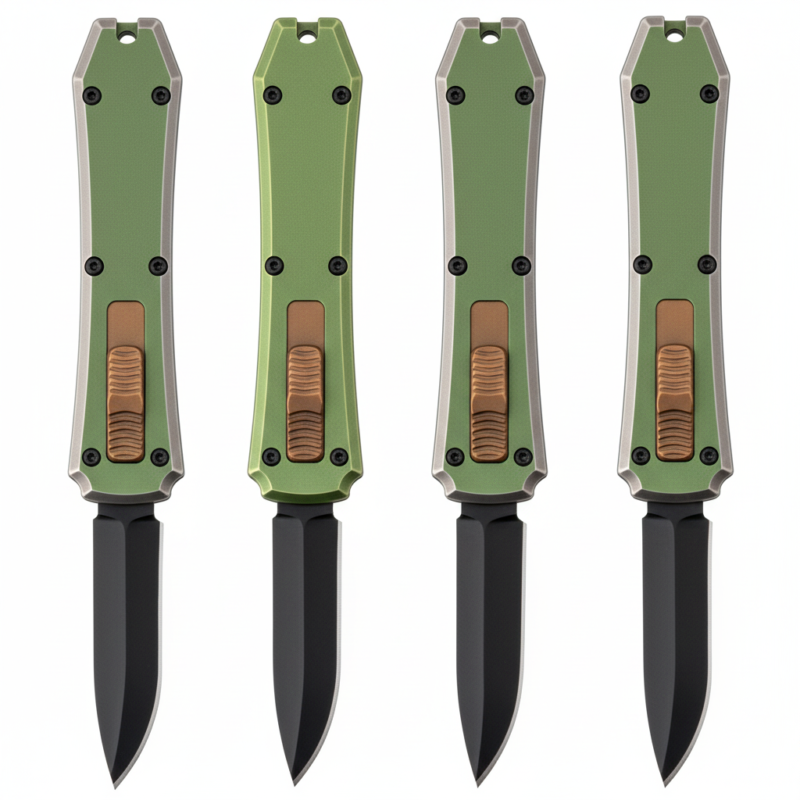
Store an OTF knife long term by keeping it closed, clean, dry, and lightly lubricated only if the maker recommends it. Learn the right storage setup, common mis
Key Takeaways
- Knife rules can vary by state, city, blade style, opening mechanism, carry method, and intended use.
- Do not treat a product nickname as a legal category; check the actual features and local rule.
- Retailers should keep legal or safety language factual and avoid promising that one item is allowed everywhere.
Terms Used Here
- OTF
- Out-the-front; a knife design where the blade moves forward from the front of the handle.
- Sheath
- A protective cover used to store or carry a knife safely.
In this article
Store an OTF knife long term closed, clean, dry, and in a temperature-stable place. Before putting it away, wipe off moisture, remove lint around the firing slot and slider, and use only the small amount of lubricant the maker or manual recommends, if any. Normal storage means it comes back out with a smooth slider and reliable lockup; warning signs are rust, a gritty slider, oil seeping from the handle, or repeated misfires.
How to store an OTF knife long term
- Retract and store the blade closed. For most double-action OTF knives, the correct resting position is blade fully retracted. You do not need to store it open or in a special “relaxed” position unless the manufacturer specifically says otherwise.
- Wipe the knife dry. Use a clean soft cloth on the blade, blade base, handle exterior, and especially the area around the firing slot. If the knife has been carried, remove sweat, fingerprints, and any moisture before storage.
- Remove visible lint and debris. Pocket lint tends to collect at the blade opening, in the slider cutout, and around the track entry points. If the maker manual allows it, a gentle burst of compressed air can help clear loose lint. Do not blast debris deeper into the chassis, and do not disassemble the knife just for routine storage prep unless the maker specifically permits user service.
- Lubricate only if the maker recommends it. Many OTF manuals warn against over-lubrication. If the manufacturer calls for oil, use a minimal amount in the exact places they specify. OTF mechanisms usually do not benefit from being flooded with oil before storage.
- Choose a dry, stable container. A hard case, dry drawer, or clean box works well if it protects the knife from impact and does not trap moisture. In humid climates, add a fresh desiccant pack. Avoid damp leather sheaths, basements, garages, and vehicle consoles.
- Store where the slider is not being pressed. Keep the knife where nothing rubs or leans on the slider during storage. Constant pressure is unnecessary and can invite accidental actuation or wear.
- Check it every few months. You do not need to handle it constantly, but long-term storage should not mean forgetting it for years. Every few months, inspect for rust, wipe away residue, and cycle it a few times to confirm the slider, spring, blade track, and lock interface still feel normal.
Quick triage: normal / maybe / stop-use
- Normal: Blade stored closed, no rust near the blade base or firing slot, slider moves with normal resistance, and the knife fires and locks normally after a periodic check.
- Maybe: Slightly dry feel on the first cycle after months of storage, faint factory oil residue, or a little lint near the opening. These usually point to basic cleaning, not a major failure.
- Stop-use: Repeated failure to lock open or closed, gritty or binding slider movement, visible red rust, or oil/gunk leaking from the handle. Those symptoms can involve the spring, blade track, sear or lock interface, or internal corrosion and should not be forced.
On an OTF knife, storage problems usually affect a few specific parts: the slider, the firing slot, the blade track, the spring, and the sear or lock interface. That is why long-term storage advice for an OTF is a little different from storage advice for a manual folder. An OTF can look clean on the outside while lint, dried oil, or corrosion slowly builds inside the handle where you cannot easily see it.
Best storage environment for an OTF knife
The best storage environment is boring: low humidity, stable temperature, and no dirt or pressure on the mechanism. Moisture is the main long-term risk, especially around the blade base and internal steel parts. Large temperature swings matter because they can create condensation inside the handle, even when the exterior looks dry.
If you are choosing between locations in the home, an indoor closet, cabinet, or drawer in a climate-controlled room is usually better than a garage, shed, basement, or car. Leather pouches are convenient for short-term carry, but they are not ideal for very long storage because they can hold moisture and tanning chemicals against the knife.
A simple case or box is enough if it stays dry. If you use foam, make sure the foam itself is dry and clean. If your climate is humid, add desiccant and replace it on schedule rather than leaving an old saturated pack in the container.
For completeness, store the knife securely and according to your local laws and household needs. If children, guests, or unauthorized users may access the area, use a locked cabinet or case.
These observable signs can help you tell what kind of storage issue you are dealing with:
- Lint contamination: fuzzy debris near the firing slot, intermittent action, and no obvious rust staining.
- Over-lubrication: oil weeping from the blade opening or screws, sticky residue on the blade, and lint clinging to oily areas.
- Moisture exposure: rust spots, discoloration near the blade base, rough scraping feel, or corrosion at screw heads.
- Dried residue: slider feels gummy rather than crisp, especially after long storage in a warm place.
- Mechanical trouble: clean-looking knife but repeated failure to lock open or closed even after basic cleaning and maker-approved maintenance.
Mistakes to avoid
The most common long-term storage mistakes are simple and preventable.
- Do not store it dirty after pocket carry. Pocket lint enters through the firing slot and around the slider. Left there for months, it can mix with oil and create drag in the blade track.
- Do not flood the internals with oil. This is one of the most common OTF-specific errors. Excess oil can migrate into the track, attract debris, and thicken over time. If the maker manual says to lubricate, follow that guidance closely.
- Do not store it in damp leather, a garage drawer, or a vehicle. Heat swings and humidity are harder on the spring, track, finish, and internal steel parts than normal indoor shelf storage.
- Do not leave pressure on the slider. Avoid storing the knife where another object can press against the switch during storage.
- Do not ignore warranty or manual guidance. If the manufacturer warns against user disassembly, do not open the chassis for routine storage cleaning. That can create avoidable damage and may affect warranty coverage.
What not to do if it acts up after storage: do not pry on the blade, scrape inside the track with metal tools, loosen random body screws to “free” the action, or keep firing it harder and harder to force a reset. Those fixes can worsen damage to the spring, track, slider, or lock surfaces.
What to check when taking it out of storage
When you bring an OTF knife out of long-term storage, keep the first inspection simple.
- Look for rust or residue. Check the blade, blade base, firing slot, and screw heads. Surface discoloration or red rust is a warning sign that moisture got into the handle area.
- Check the slider feel. It should move with the same general resistance it had before storage. A gritty, notchy, or gummy slider often points to lint, dried lubricant, or corrosion in the slider channel or track.
- Cycle the knife a few times. Watch for reliable deployment and retraction. A healthy OTF should lock open and closed consistently. Repeated misfires are not a normal storage side effect.
- Notice where any problem seems to start. If the blade is oily and linty, suspect over-lubrication. If there is rust near the firing slot or blade base, suspect moisture. If the exterior looks clean but lockup fails repeatedly, the issue may involve the spring, sear, or internal track rather than simple dirt.
- Clean or lubricate only within maker guidance. If the manual allows basic maintenance, do that first. If the knife remains unreliable after basic approved care, stop forcing it and treat it as a service issue.
A slight dry sound on the first cycle after months of storage can be normal. Repeated failure to lock, recurring off-track behavior, or a slider that stays rough after basic approved cleaning is not. In those cases, the problem is more likely mechanical than cosmetic.
FAQ
Should I store an OTF knife open or closed?
Closed. For most modern double-action OTF knives, long-term storage should be blade retracted and the knife at rest unless the maker gives a different instruction.
How often should I check a stored OTF knife?
Every few months is a practical interval. Look for rust, wipe away residue, and cycle it a few times to confirm the action still feels normal.
Is oil necessary before storage?
Not always. Follow the maker or manual. Many OTF knives need very little lubrication, and too much oil is a more common storage problem than too little.
For current models and sourcing details, review OTF resale-ready models and reseller and distributor inquiry.