
Short answer
Compare binocular quotes by MOQ, sample checks, packaging, landed cost per sellable unit and repeat-order terms.
Key Takeaways
- Start with a mild method and increase pressure or abrasion only when the blade condition requires it.
- Edge angle, steel type, corrosion level, and handle material all affect the right care method.
- For wholesale assortments, simple care instructions help customers keep knives useful longer.
Terms Used Here
- Folding knife
- A knife with a blade that pivots into the handle for storage.
In this article
- 01 Separate the model minimum from the project minimum
- 02 Check the sample before comparing the unit price
- 03 Compare the total at the same delivery point
- 04 Decide what you can change to make the first order work
- 05 Sources
- 06 Compare models on one quote
- 07 Models in this article
- 08 Folding 10×25 Binoculars
- 09 42 mm Roof Binoculars
- 10 10×42 Binoculars with Longitudinal Body Ribs
- 11 Plain Meaning
- 12 Why It Matters
- 13 What To Check Next
Choose your inspection requirements first, then price the smallest order that lets you test demand. A lower equipment minimum matters only if the pack, freight and follow-up order still work.

Separate the model minimum from the project minimum
Current TOP KNIVES listings give three concrete examples: one piece for the Folding 10×25, 20 pieces for the 42 mm roof family, and 100 pieces for the longitudinal-rib 10×42. These are the displayed item minimums. Ask the supplier whether quantities may be mixed across variants and whether minimums apply separately to cartons or custom printing.
If two versions share the optics but use different color boxes, get the stock-box and custom-box prices on separate lines. Ask who owns surplus cartons and who pays for a print change after the first issue.
Check the sample before comparing the unit price
Give both suppliers the same location and intended use. Ask for the exact packaged configuration and agree in advance which sample differences would stop the order. Include binocular alignment, focusing, eyecup travel, lens cleanliness and accessory count. Request evidence to support any coating or weather rating you plan to print.
Keep the checked unit and final pack version with the purchase order. A change in the materials or contents should be reviewed on its own sample or written specification before it is mixed into a reorder.
Compare the total at the same delivery point
Price the actual opening mix as well as the quantity that triggers the next break. Add approved sample charges, independent inspection if agreed, package setup and delivery costs. Divide by the number of sellable units in the order. This keeps the landed comparison valid when displays or service units come out of the carton.
| Stage | Quantity to ask for | What to lock |
|---|---|---|
| Initial sample | One or more units of the exact configurations | Quote scope, viewing checks and pack contents |
| Opening order | Stock options and authentic demand by model | Packing, inspection terms and actual price delivered |
| Repeat or branded run | Quantity per current variant and print version | Reorderability, accepted changes and new setup cost |
Decide what you can change to make the first order work
Keep the viewing and pack checks that matter to the buyer. Move optional branding, extra inserts or a second color to a later quote if those extras would leave unused stock. Ask the seller which fields or changes will affect the next MOQ. Record that answer while the first quotation is still open.
Sources
Compare models on one quote
Send the quantities, delivery location, branding and pack options for each model. Ask for the stock and custom runs, available samples and total terms separately.
Request a wholesale quoteModels in this article
Folding 10×25 Binoculars
The listing shows a lower-minimum compact option. Use it to request an opening quote for travel customers.
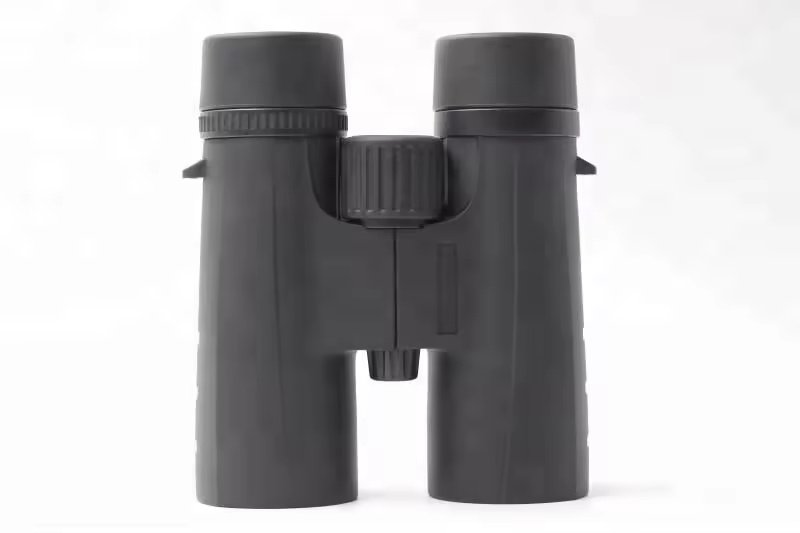
42 mm Roof Binoculars
Use the exact 8×42 or 10×42 choice when comparing standard-pack and branded quotes.
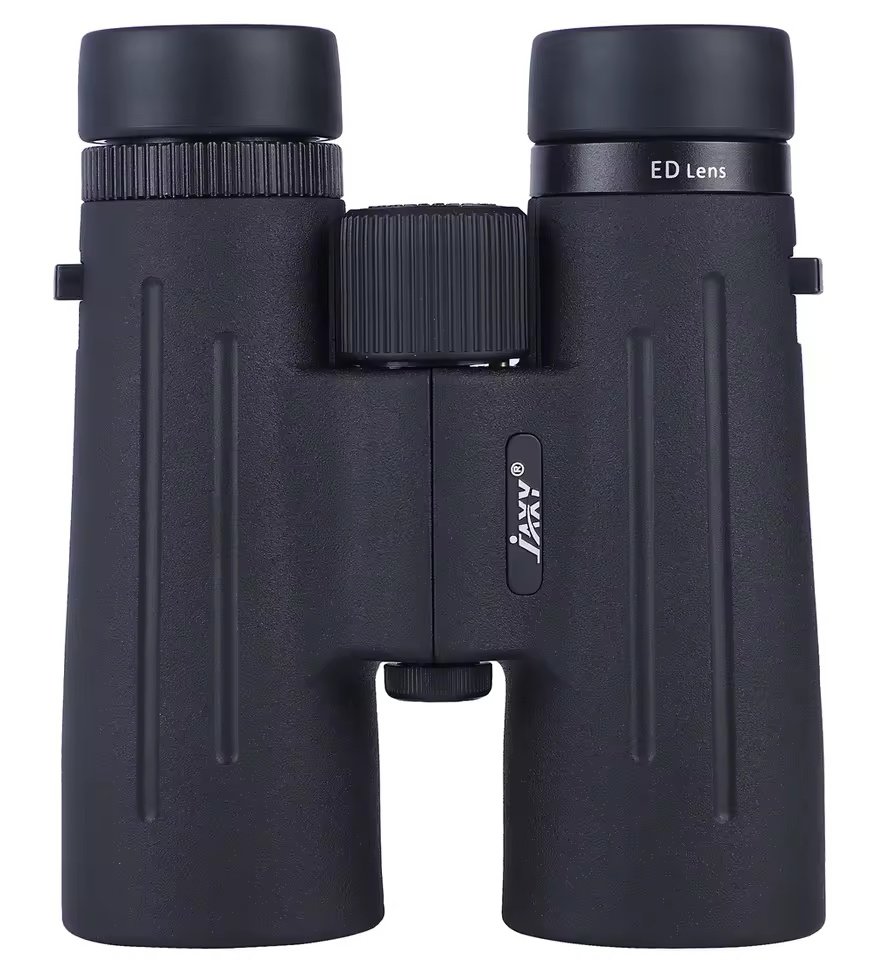
10×42 Binoculars with Longitudinal Body Ribs
A separate listing with a higher displayed item minimum. Quote it on its own terms.
Plain Meaning
Knife care is best understood as a sequence: inspect, clean, dry, sharpen only if needed, then store safely. Skipping steps can make a simple issue harder to fix.
Rust removal, edge sharpening, handle care, and lubrication are different jobs. The right method depends on the steel, finish, edge condition, and how the knife is used.
Why It Matters
Many knife problems come from using too much force or the wrong tool. A mild method protects the blade and helps the reader understand what actually needs attention.
For product education, maintenance guidance also helps set realistic expectations around stainless steel, carbon steel, coatings, and storage habits.
What To Check Next
- Blade material and finish before using abrasives.
- Edge angle and blade shape before sharpening.
- Moisture, residue, and storage conditions after use.
- Whether the issue is cosmetic, functional, or safety-related.