
Short answer
Verify a kitchen knife manufacturer on a reorder. Compare the signed sample, version changes, lot records and who resolves a failed delivery.
Key Takeaways
- Knife rules can vary by state, city, blade style, opening mechanism, carry method, and intended use.
- Do not treat a product nickname as a legal category; check the actual features and local rule.
- Retailers should keep legal or safety language factual and avoid promising that one item is allowed everywhere.
Terms Used Here
- Damascus
- A patterned steel style often chosen for appearance as well as blade character.
In this article
- 01 Compare on one exact version and two order sizes
- 02 Judge consistency around the complete knife
- 03 Give suppliers one change to respond to
- 04 Agree how a problem gets caught and resolved
- 05 Use the first reorder to validate the relationship
- 06 Sources
- 07 Quote the approved version and the next reorder
- 08 Models in this article
- 09 73-Layer Damascus Chef Knife with Dark G10 Handle
- 10 Plain Meaning
- 11 Why It Matters
- 12 What To Check Next
A supplier may be able to quote a model this week. Find out whether they can confirm the same steel, handle, finish, packaging and lead time when you reorder months from now.
Compare on one exact version and two order sizes
Give suppliers the same model, purchase and reorder quantities, pack and delivery point. Ask how the first production quote changes when you reorder the same specification, and which minimum changes if the artwork or handle changes. Check whether the original price covers a sample, approval revision, the chosen packaging and inspection. Compare planned dispatch against the dates your stores need stock.
Judge consistency around the complete knife
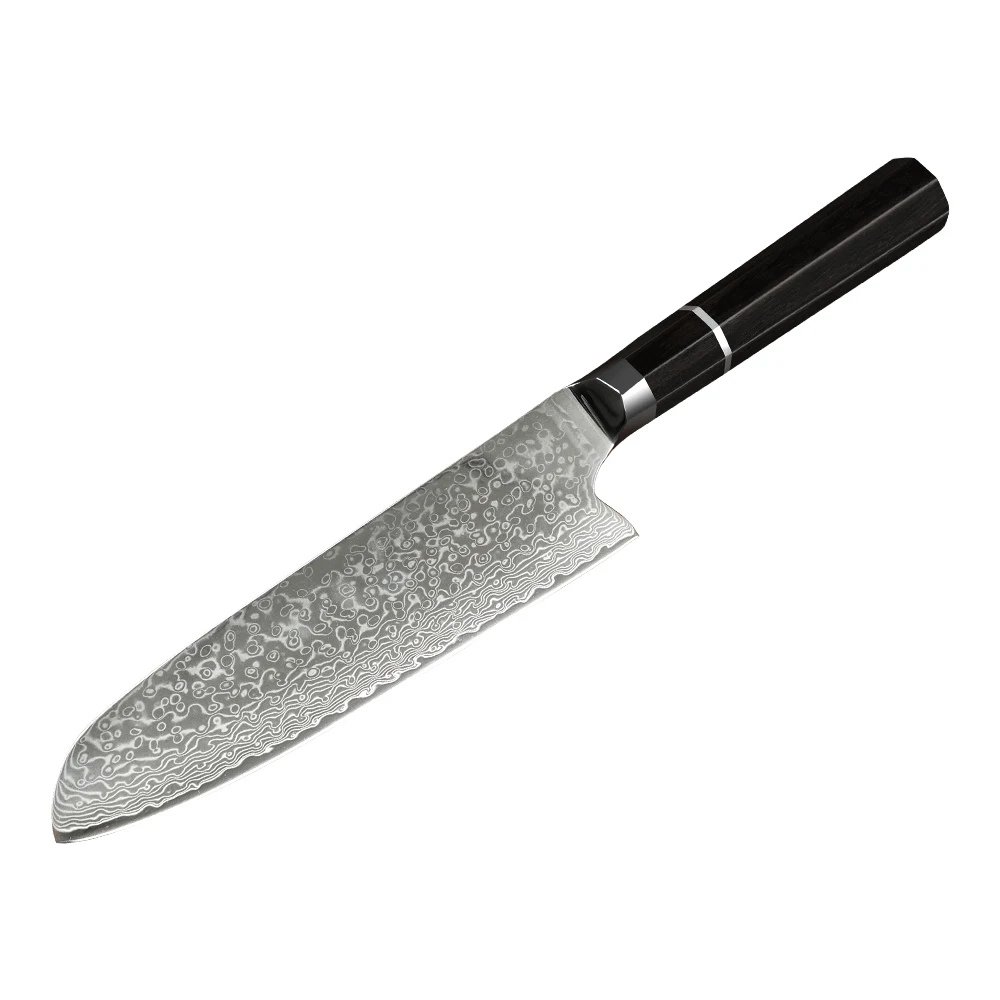
Take the dark G10 Damascus chef knife as an example. The listing identifies a 7.5-inch profile, dark G10 handle and a polished metal collar. For a repeat order, keep a reference blade-and-handle photo and agree which details affect acceptance. The reference should show both sides, the transition around the collar, finish and packaging. Confirm written product data for any steel grade, finish or dimensional specification your buyer needs.
Give suppliers one change to respond to
Ask a shortlisted supplier to explain how a new box liner with the same outer dimensions would be approved. See whether the answer identifies the affected version, a fit sample and a decision on which stock can ship in each pack. Set a named point of contact for specification changes. Ask them to write out how they will report the delay and next step if an incoming material or packaging component is unavailable.
For a real liner change, put the old and proposed versions on the same change request. Keep the knife, box dimensions and barcode constant while you check retention and fit on the proposed sample. Identify the first lot that could use the revision and who signs it. Until the buyer approves the change, keep the original configuration on the order.
Agree how a problem gets caught and resolved
Ask for a model-specific production record, agreed finish reference and checks on pack and carton before dispatch. At receiving, keep any carton with a changed label together with the product photo and shipment identifier until the records agree. If an order strays from the approved model, agree who can stop forwarding stock to stores, who receives evidence and when there will be a replacement or other documented resolution.
Use the first reorder to validate the relationship
Keep the quotation, approved sample, artwork, order changes and carton identifiers together for both orders. When you place the next buy, ask the supplier to confirm the old version against the new purchase order before booking transport. Record actual lead time, any changes disclosed before shipment and how long it took to resolve exceptions. Use that delivery record with the new price when deciding how much to commit next season.
On the first reorder, reconcile the supplier acknowledgment, reference photos and printed carton at the same model number. If the original and revised packs both ship, agree how each version is identified before dispatch. Put the decision and the owner for any affected cartons in the receiving record, then decide if the same supplier earns the next purchase.
Sources
Quote the approved version and the next reorder
Send the exact model, approved photo and pack revision, opening and repeat quantities, delivery point and any proposed change. Ask who can approve the comparison sample and how changed cartons will be identified.
Request a TOPKNIVES repeat-order quoteModels in this article
73-Layer Damascus Chef Knife with Dark G10 Handle
A reference for recording one product version when checking fit, finish and replenishment.
Plain Meaning
Knife law topics are usually location-specific. A useful answer starts with the jurisdiction, then checks blade length, mechanism, carry method, intent, and local exceptions.
A product nickname is not enough. Two knives with similar names can be treated differently if the mechanism, size, or carry situation is different.
Why It Matters
Readers often search these questions before buying, carrying, shipping, or listing products. A neutral explanation reduces misunderstanding without making legal promises.
For sellers and dealers, factual language is safer than broad claims. It keeps the article useful while leaving current legal interpretation to official or local sources.
What To Check Next
- State, city, and local code rather than only a national summary.
- Blade length, opening mechanism, lock type, and carry method.
- Whether the question is about ownership, carry, shipping, display, or use.
- Current official sources when the answer affects real-world action.