
Short answer
Set finish limits, functional checks and lot-release rules for bulk cookware. Use a 24 cm ribbed grill pan to mark the inspection zones.
Key Takeaways
- Start with the plain meaning of the term, then compare features and use cases.
- Knife categories often overlap, so the details matter more than the label alone.
- For buying decisions, check materials, size, mechanism, safety notes, and maintenance expectations.
Terms Used Here
- Blade style
- The shape and edge design of the blade, which affects cutting tasks and buyer preference.
- Handle material
- The material used for grip, comfort, appearance, and durability.
- Assortment
- A grouped buying selection planned around customer needs, price points, and repeat orders.
In this article
“Good finish” is hard to inspect. For a bulk cookware order, show where you will check, how you will look, what the limit sample allows and who will decide what happens to a failed lot.
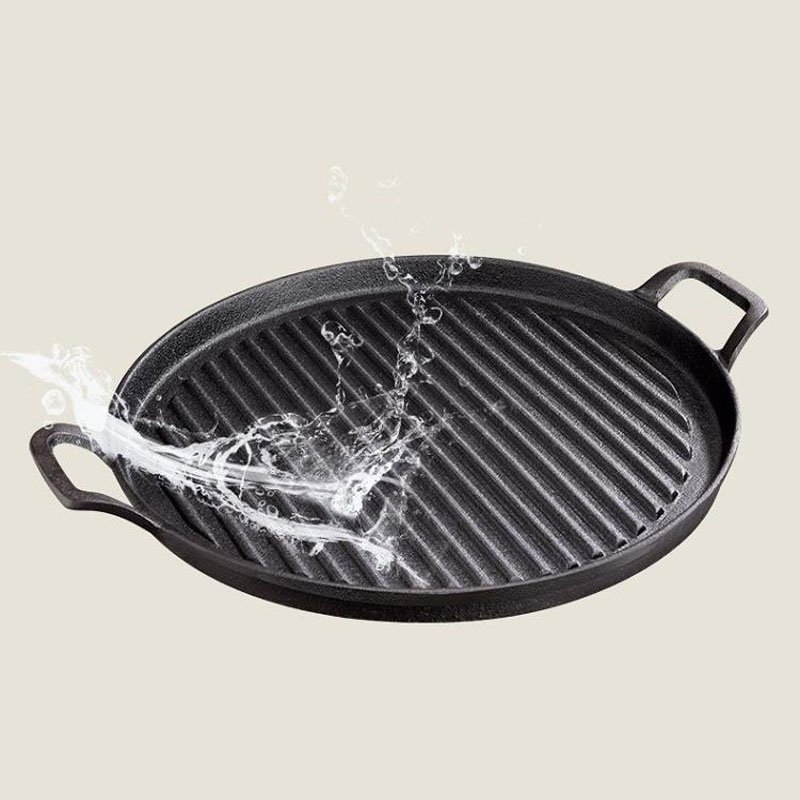
Mark the surfaces on the drawing
A customer sees the lid and sidewall first. The person using the pot also needs the rim, handle connections and interior to meet the agreed functional and food-contact checks. Give inspectors a marked drawing for each model and identify where one kind of mark is more visible or consequential than another.
Use the manufacturer’s specification to define the parts that need their own checks. Winco’s SSSP-7, for instance, identifies a riveted handle and included lid. On a model with those features, put lid fit and handle attachment on independent inspection lines.
On the 24 cm pan shown above, photograph the ridges, rim and both handle junctions straight on and at the agreed angle. As you turn the pan, highlights on the ridges move. Set a signed visual limit for each zone and record separate functional checks.
| Area | What to record | What to decide before ordering |
|---|---|---|
| Front sidewall or lid top | Kind of visual mark, position, size and repetition. | Approved surface appearance and the worst acceptable example under agreed lighting. |
| Bottom exterior | Location of rub marks and any change in shape or flat seating. | Which cosmetic marks are acceptable and how to test that it sits as specified. |
| Rim, interior and handle joint | Observed condition and result of the relevant functional check. | Separate disposition for a failed rim, food-contact or attachment check. |
Sign a limit sample together
Agree the lighting, viewing distance and orientation before using the limit sample. Photograph the acceptable mark against a neutral background, show its location and keep the physical piece or coupon if reflections matter. Add the revision and approver so the factory and your inspector can use the same example.
Write the rule alongside the image. A scratch, for example, needs an agreed location, maximum visible size or contrast and a rule for repeated marks. Since the intended finish and sales channel differ by SKU, settle those limits together instead of borrowing a number from an unrelated product.
Define what happens to a lot after inspection
If the purchase order uses ISO 2859-1:2026, name the agreed inspection level, lot definition, defect classes, sample size and acceptance and rejection numbers in the inspection plan. Ask that every report record the sampled lot, carton reference, defect zone and photographs.
If a marked unit fails the agreed limit, record the carton and affected count, hold the portion in question and get the agreed decision on sorting, rework or replacement. On resubmission, use the same approved sample and viewing conditions. Record the authorised release with the new report before shipping.
Put a tagged sample through the agreed packing trial. Photograph the same marked surfaces before packing, then record the separator, handle protection and cookware orientation. On reopening, first photograph the carton and packing as found. If a new mark lands where two pieces touch, trial a change to the separator or handle protection and repeat the pack check. Keep the pre-pack and receiving photos on the same report line so you can identify which step created the change.
Keep borderline marks separate from functional failures
An outer rub mark may be a cosmetic issue if it looks the same as the accepted sample and the product still sits flat. A pan that rocks or a lid that binds goes on the function line. For a model with two handles, record which handle and joint was affected. Agree the checks for the construction in the purchase specification and use the same approved sample throughout the order.
Photograph a failed unit with the article number, finish, carton and lot reference in the same report. Have the person authorized to release the order choose and document a disposition with the supplier. On a partial release, list the carton numbers that can move and keep the other units separated until the agreed recheck.
Sources
A sample for marking inspection zones
24 cm round ribbed grill pan
TKSC-1600715952743. Use the sample to identify the ridged cooking face, rim and both handle junctions. The listed model is hand-wash only.