

How to Use a Knife Sharpening Stone


Short answer
Learn how to use a knife sharpening stone with clear steps, safety tips, common mistakes, and buyer advice for retail and wholesale buyers.
In this article
- 01 What a sharpening stone actually does
- 02 Before you begin: choose the right stone and prepare your workspace
- 03 Step-by-step: how to use a knife sharpening stone
- 04 1. Prepare the stone
- 05 2. Find a steady angle
- 06 3. Use smooth, controlled strokes
- 07 4. Work through grits if needed
- 08 5. Finish and test the edge safely
- 09 Common mistakes that make sharpening harder
- 10 How to tell when the edge is ready
- 11 Buying considerations for retail and wholesale customers
- 12 Safety and care during sharpening
- 13 Practical FAQ
- 14 How long does it take to sharpen a knife on a stone?
- 15 Do I need to soak every sharpening stone?
- 16 Can one stone sharpen all knives?
- 17 How often should I sharpen?
- 18 Final takeaway
The simplest way to use a knife sharpening stone is to soak or prepare the stone if needed, hold the blade at a steady angle, and draw each side of the edge across the stone with light, even pressure until the knife feels sharp again. The key is consistency: a stable angle, controlled strokes, and patience. If you are new to sharpening, start slowly and use a coarse stone for dull blades, then finish on a finer grit for a cleaner edge.
What a sharpening stone actually does
A sharpening stone removes a tiny amount of metal from the blade to rebuild the cutting edge. Over time, a knife edge bends, rolls, or wears down from normal use. A stone reshapes that edge so the knife cuts cleanly again. This is different from honing, which mainly realigns an edge rather than removing much material.
For most kitchen, utility, and everyday carry knives, a stone is one of the most reliable sharpening tools because it gives you control. You can work on damaged edges, maintain regularly used knives, and finish with a polished edge depending on the grit you choose.
Before you begin: choose the right stone and prepare your workspace
If you are wondering how do you use a knife sharpening stone correctly, the preparation matters as much as the sharpening itself. Start with a stable surface, good lighting, and a towel or non-slip base under the stone so it does not move. Keep a cup of water nearby for water stones, or use oil only if the stone type requires it.
Sharpening stones come in different grits:
- Coarse grit for very dull, chipped, or neglected blades
- Medium grit for routine sharpening and edge repair
- Fine grit for refining and polishing the edge
If you sell knives or buy for a store, it helps to stock a practical range of stone grits so customers can choose based on how worn their blades are. Buyers often prefer simple kits that include a coarse and fine side, especially for home users who want one tool that covers the basics.
Step-by-step: how to use a knife sharpening stone
1. Prepare the stone
Check the stone instructions before starting. Water stones usually need soaking or at least wetting. Splash-and-go stones need only a little water. Oil stones use honing oil instead of water. A properly prepared stone helps the blade glide smoothly and reduces clogging.
2. Find a steady angle
Hold the knife at a consistent angle against the stone. Many common kitchen knives sharpen well in the range of about 15 to 20 degrees per side, though the exact angle depends on the knife style and intended use. A lower angle can produce a keener edge, while a slightly higher angle may improve durability on some blades. The important part is to keep the angle consistent throughout the stroke.
3. Use smooth, controlled strokes
Place the heel of the blade on the stone and draw it across so the entire edge makes contact, finishing near the tip. Apply light to moderate pressure. Repeat the same motion on the other side of the blade. Many people sharpen one side until they feel a slight burr, then switch sides. That burr is a small folded edge and often signals that the stone has reached the apex of the blade.
4. Work through grits if needed
If the knife is very dull, start with a coarse grit and move to a medium or fine stone. For regular maintenance, a medium or fine stone may be enough. A progression through grits improves the final edge and can make slicing feel much smoother.
5. Finish and test the edge safely
After sharpening, rinse and dry the knife and stone according to the manufacturer’s guidance. Test the edge carefully by cutting paper, slicing soft produce, or checking how smoothly the blade moves through a tomato skin. Avoid risky hand tests. A sharp knife should cut with minimal force and should not require sawing pressure.
Common mistakes that make sharpening harder
Many beginners think the issue is the stone, but the real problem is usually technique. These are the most common mistakes to avoid:
- Changing the angle constantly, which creates an uneven edge
- Using too much pressure, which can scratch the blade and make control harder
- Skipping the coarse grit when the knife is truly dull
- Not keeping the stone wet or clean, which can reduce cutting performance
- Sharpening only one side and leaving the edge unbalanced
- Rushing the process and stopping before the edge is fully formed
Another common issue is expecting one or two passes to fix a badly worn blade. A very dull knife may need more time, more consistent strokes, and a proper grit progression. Patience usually produces better results than force.
How to tell when the edge is ready
A finished edge should feel even from heel to tip and cut cleanly without catching. If you feel a burr on one side, the edge may not be fully balanced yet. If the knife still drags on paper or crushes soft foods instead of slicing, continue refining the edge with lighter strokes.
For store buyers and distributors, this is a useful point to explain to customers: a sharpening stone is not just about removing metal, but about creating a controlled edge. That is why stone quality, grit options, and user-friendly packaging matter when you choose inventory for retail shelves or online listings.
Buying considerations for retail and wholesale customers
If you are sourcing sharpening stones for a shop, marketplace, or wholesale program, look beyond price alone. A strong product line should balance ease of use, durability, and clear labeling. Customers often prefer stones that are easy to understand at a glance, especially when the product is displayed next to kitchen knives or outdoor gear.
- Grit range: offer entry-level and more advanced options
- Stone type: water stone, oil stone, or combination stone
- Size and stability: larger stones are easier for beginners to control
- Included accessories: bases, angle guides, or flattening tools can add value
- Packaging clarity: shoppers should understand use and maintenance quickly
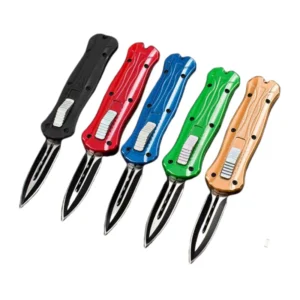
Wholesale buyers often do best with products that are easy to explain and easy to resell. If your customers also shop for knife inventory, you can pair sharpening accessories with blade offerings such as the OTF and auto knife wholesale category to build a more complete product mix.
Safety and care during sharpening
Sharpening is safe when done carefully, but a moving blade still deserves respect. Keep your fingers away from the edge path, work on a non-slip surface, and store knives separately after sharpening. Dry the blade fully to prevent corrosion, especially on carbon steel or other finishes that can spot if left wet.
Also care for the stone itself. Many stones need flattening over time because repeated sharpening can create low spots. A flat stone gives more consistent results and helps prevent uneven edges. Clean the stone after use so metal particles and slurry do not build up.
Practical FAQ
How long does it take to sharpen a knife on a stone?
It depends on the blade condition and the stone grit. A lightly dull knife may take only a few minutes, while a badly worn blade can take longer. The first few attempts usually go slower as you learn to hold the angle consistently.
Do I need to soak every sharpening stone?
No. Some stones need soaking, some only need water on the surface, and some require oil. Always check the stone type before use so you do not damage it or reduce performance.
Can one stone sharpen all knives?
A medium or combination stone can handle many common knives, but very dull, chipped, serrated, or specialty blades may need different tools or techniques. Always follow the manufacturer’s guidance for the knife style you are sharpening.
How often should I sharpen?
That depends on use. A frequently used kitchen knife may need maintenance every few weeks or months, while a lightly used blade may stay sharp longer. Sharpen when cutting performance drops, not only when the knife becomes extremely dull.
Final takeaway
Learning how to use a knife sharpening stone comes down to steady angles, the right grit, and controlled strokes. Once you understand the basics, sharpening becomes a practical skill that saves time, improves cutting performance, and extends the life of your knives. For retailers and wholesale buyers, stocking clear, reliable sharpening options can also help customers maintain the blades they already own, which adds value well beyond the initial sale. If you are sourcing products for your business, you can also send a wholesale inquiry to discuss options that fit your market.