

How to Sharpen a Hunting Knife: A Practical Guide for Clean, Safe Cuts


Short answer
Learn how to sharpen a hunting knife with simple, safe steps, the right angle, common mistakes to avoid, and buying tips for quality blades and sharpening tools
Key Takeaways
- Knife rules can vary by state, city, blade style, opening mechanism, carry method, and intended use.
- Do not treat a product nickname as a legal category; check the actual features and local rule.
- Retailers should keep legal or safety language factual and avoid promising that one item is allowed everywhere.
Terms Used Here
- OTF
- Out-the-front; a knife design where the blade moves forward from the front of the handle.
- Automatic knife
- A knife that opens by a spring-driven mechanism after the user activates a button, switch, or slider.
- Folding knife
- A knife with a blade that pivots into the handle for storage.
In this article
- 01 Why a sharp hunting knife matters
- 02 What you need before you start
- 03 The right angle makes the biggest difference
- 04 Step-by-step: how to sharpen a hunting knife
- 05 Common mistakes that ruin a good edge
- 06 How to tell when the knife is ready
- 07 What wholesale buyers should look for in hunting knives
- 08 How often should a hunting knife be sharpened?
- 09 FAQ
- 10 How do you sharpen a hunting knife if it is very dull?
- 11 Can I sharpen a hunting knife with a pull-through sharpener?
- 12 Is a sharper hunting knife always better?
- 13 What is the safest way to test the edge?
- 14 Do local knife laws affect how I carry or use a hunting knife?
- 15 A practical final thought
The easiest way to sharpen a hunting knife is to keep a steady angle, use a coarse-to-fine sharpening progression, and finish by removing the burr on a finer stone or strop. For most hunting knives, that means working both sides of the edge evenly at about 15 to 20 degrees per side, then testing the blade carefully on soft material rather than forcing the edge through hard objects. A well-sharpened hunting knife should cut cleanly, feel controlled in the hand, and require less pressure in the field.
Why a sharp hunting knife matters
A hunting knife is used for tasks where control matters more than brute force. Skinning, field dressing, trimming cord, and preparing camp materials all go more smoothly when the edge is clean and consistent. A dull edge can slip, tear instead of slice, and make routine work harder on both the user and the blade.
For retail buyers and resellers, this is also one of the most practical product topics to understand. Customers often ask how to sharpen a hunting knife because edge maintenance affects satisfaction, returns, and repeat purchases. A knife that holds a usable edge and is easy to maintain tends to earn better reviews and stronger loyalty.
What you need before you start
You do not need a complicated setup to get a solid edge. A simple sharpening kit usually includes a coarse stone or diamond plate for repairing a dull edge, a medium stone for refining, and a fine stone or strop for finishing. Some users prefer guided sharpeners because they help keep the angle steady, while others like bench stones for more control.
Before sharpening, clean the blade so grit, blood residue, or pocket lint does not scratch the steel. Work on a stable surface with good lighting. If the knife has a folding mechanism or assisted opening design, keep it fully closed or locked as appropriate while handling the edge. Use care at every step and store the knife safely when you are done.
The right angle makes the biggest difference
When people ask how do you sharpen a hunting knife, the answer usually starts with angle. A smaller angle can feel sharper, but it may wear faster. A slightly larger angle can last longer, especially on tougher field tasks. Many hunting knives perform well around 15 to 20 degrees per side, though the best angle depends on the steel, blade thickness, and intended use.
Try to keep the angle consistent from heel to tip. If the angle changes too much, the edge becomes uneven and may not cut cleanly. If you are unsure, use a sharpening guide or marker trick: color the bevel with a marker, make a few light passes, and check where the marker is removed. That gives you a quick visual cue about whether your angle is correct.
Step-by-step: how to sharpen a hunting knife
- Inspect the edge. Look for dull spots, chips, or rolled sections. A severely damaged edge may need more work on a coarse stone before refinement.
- Start with the coarsest tool needed. Use a coarse stone or plate only if the knife is very dull or has visible damage. If the edge is only slightly tired, begin with a medium stone.
- Set the angle and make controlled passes. Move the blade smoothly across the stone, keeping the same angle on each stroke. Work one side until you feel a light burr along the opposite edge.
- Repeat on the other side. Match your stroke count and pressure so both sides of the bevel stay balanced.
- Move to a finer grit. Once the edge is formed, use a finer stone to smooth the scratch pattern and improve cutting performance.
- Finish by removing the burr. Use lighter strokes, alternating sides, and then strop if desired. The goal is a clean edge, not a wirey feel.
- Test carefully. Check the edge on paper, thin cardboard, or similar soft material. Avoid risky tests that can damage the blade or injure your hand.
Light pressure is usually better than heavy pressure. Many first-time sharpeners press too hard and end up rounding the edge or creating a rough finish. Let the abrasive do the work.
Common mistakes that ruin a good edge
One of the most common mistakes is changing the angle every few strokes. That creates an uneven bevel and makes the knife feel inconsistent in use. Another issue is skipping grits and trying to polish a badly dull edge too soon. If the edge is damaged, it needs shaping before refinement.
Other mistakes include using too much force, failing to remove the burr, and sharpening a dirty blade. Water stones, oil stones, and diamond plates each work well when used properly, but they all perform better when the blade is clean and the user is patient.
It is also easy to over-sharpen one section of the blade. Hunting knives often have curved edges near the belly and tip, so keep your motion smooth and even. Short, jerky passes can create flat spots or over-thin areas.
How to tell when the knife is ready
A properly sharpened hunting knife should cut with controlled pressure and feel predictable along the full edge. The finish does not have to be mirror bright, but it should be even. If the knife glides through paper or cleanly slices soft material without snagging, the edge is usually in good shape.
For field use, a practical edge matters more than a showpiece finish. Many hunters prefer an edge that balances sharpness with durability, especially if the knife may see contact with tougher materials. That balance is one reason buyers often compare blade steel, heat treatment, edge geometry, and handle comfort before ordering in volume.
What wholesale buyers should look for in hunting knives
If you are stocking hunting knives for a store, online shop, or distribution channel, edge maintenance should be part of your buying criteria. Customers appreciate blades that sharpen reliably and hold an edge without excessive effort. Look for consistent grind geometry, dependable steel quality, and comfortable handles that support safe control during maintenance and use.
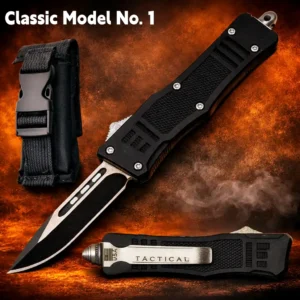
It also helps to carry sharpening accessories alongside the knives themselves. A matched selection of stones, compact sharpeners, and maintenance tools can increase average order value and improve customer satisfaction. For buyers building a broader outdoor or tactical assortment, the OTF and automatic knife wholesale category may also be relevant for customers who want different blade styles for collection or utility use.
When sourcing at scale, ask about packaging, edge condition on arrival, and whether the knives are easy to maintain with standard sharpening tools. If you are planning a retail program or distributor order, a wholesale inquiry is a straightforward way to discuss product mix, volume, and fit for your customer base.
How often should a hunting knife be sharpened?
There is no single schedule that fits every knife. A blade used often in the field may need touch-ups more frequently than a knife kept mostly for occasional trips. The best rule is to sharpen when the knife starts to lose clean cutting ability rather than waiting until it feels completely dull.
Light maintenance after use can extend the time between full sharpening sessions. Wiping the blade clean, drying it thoroughly, and storing it properly all help preserve the edge. Rust, moisture, and grit can shorten blade life and make future sharpening more difficult.
FAQ
How do you sharpen a hunting knife if it is very dull?
Start with a coarse stone or diamond plate to re-establish the edge, then move through finer grits. If the blade has chips or heavy wear, be patient and remove only as much metal as needed to restore a consistent bevel.
Can I sharpen a hunting knife with a pull-through sharpener?
Some pull-through sharpeners are convenient for quick maintenance, but they may remove more metal than necessary and offer less control over the angle. For better long-term edge care, stones or guided systems are often a stronger choice.
Is a sharper hunting knife always better?
Not always. For many users, the best edge is one that cuts well and still lasts through regular work. A very thin edge may feel extremely sharp at first, but it can wear faster if the knife sees tougher use.
What is the safest way to test the edge?
Use soft, harmless materials such as paper or thin cardboard, and keep your hands away from the path of the blade. Avoid aggressive tests that could cause slips or damage the knife.
Do local knife laws affect how I carry or use a hunting knife?
Yes, laws can vary by location and may affect carry, transport, and use. Always verify local rules before selling, buying, or carrying any knife.
A practical final thought
Learning how to sharpen a hunting knife is mostly about consistency, patience, and choosing the right edge for the job. A clean bevel, a steady angle, and a careful finish will do more for performance than rushing through the process. For shoppers, that means better field results. For retailers and wholesale buyers, it means happier customers and a stronger product lineup built around knives that are easy to maintain and ready for real use.