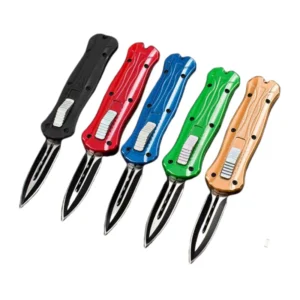


How to Work a Butterfly Knife: Safe Basics, Handling Tips, and What Buyers Should Look For


Short answer
Learn the basics of how to work a butterfly knife safely, what to avoid, and what buyers should look for when choosing quality butterfly knives for retail or wh
Key Takeaways
- Knife rules can vary by state, city, blade style, opening mechanism, carry method, and intended use.
- Do not treat a product nickname as a legal category; check the actual features and local rule.
- Retailers should keep legal or safety language factual and avoid promising that one item is allowed everywhere.
Terms Used Here
- Blade style
- The shape and edge design of the blade, which affects cutting tasks and buyer preference.
- Handle material
- The material used for grip, comfort, appearance, and durability.
- Assortment
- A grouped buying selection planned around customer needs, price points, and repeat orders.
In this article
- 01 What a butterfly knife is and why handling matters
- 02 Start with the right setup
- 03 Basic handling principles for beginners
- 04 Common mistakes to avoid
- 05 What smooth operation feels like
- 06 Safety, storage, and responsible ownership
- 07 What retail and wholesale buyers should look for
- 08 A simple way to evaluate a knife before selling or keeping it
- 09 FAQ
- 10 Is it hard to learn how to work a butterfly knife?
- 11 Should beginners use a live blade?
- 12 What makes one butterfly knife better than another?
- 13 Can butterfly knives be sold everywhere?
- 14 What should wholesale buyers prioritize?
If you want to know how to work a butterfly knife, start with the safest basic idea: learn the knife’s parts, keep the blade away from your fingers, and practice only with a trainer or in a controlled setting until the motion feels natural. A butterfly knife, also called a balisong, opens and closes through two handles that rotate around the blade’s pivot pins, so smooth handling depends on control, balance, and patience rather than speed.
For shoppers, store buyers, and wholesale customers, understanding the basics also helps you judge quality. A well-made butterfly knife should feel solid in the hand, pivot smoothly, and lock or latch properly when closed. If you are sourcing inventory for a shop or online catalog, these same features affect customer satisfaction and return rates.
What a butterfly knife is and why handling matters
A butterfly knife has two handles that fold around the blade. When closed, the blade is hidden between the handles; when opened, the handles move into position to form a usable grip. That design is what makes the knife distinctive, but it also means the user must be careful about finger placement and balance.
People often want to learn how to work a butterfly knife because the opening motion is unique and the knife has a strong collector appeal. For retailers and distributors, that appeal is part of the product’s value. Buyers often look for smooth pivots, durable construction, and a clean finish, because those details affect how the knife feels during handling and how long it lasts in inventory or personal use.
Start with the right setup
Before trying any movement, make sure the knife is appropriate for learning. Many new users and many shops choose a trainer model first. A trainer has the same handle movement as a live blade but uses a blunt edge, which makes it much safer for practice and display demonstrations.
Here are a few practical things to check before handling:
- Handle fit: The handles should not feel loose or uneven.
- Pivots: They should move smoothly without grinding or sticking.
- Latch or closure system: It should hold the knife closed securely when not in use.
- Weight balance: A balanced knife is easier to control and less tiring to handle.
- Finish quality: Clean edges, consistent hardware, and stable construction matter for both safety and presentation.
If you are buying for resale, these are good inspection points before you place a larger order. A wholesale catalog with consistent quality helps reduce complaints and makes it easier to stock models that appeal to beginners, collectors, and experienced users. You can browse current options in the butterfly knife wholesale category.
Basic handling principles for beginners
The safest way to learn how to work a butterfly knife is to slow everything down. Focus first on the knife’s balance and the way the handles rotate. Keep a relaxed grip, avoid rushing, and practice in a clear area where you will not hit nearby objects.
These fundamentals matter more than trying to look impressive. A controlled motion is easier to repeat and easier to learn. Beginners often make the same few mistakes: gripping too tightly, watching only the blade instead of the whole knife, and practicing where they have too little space.
Common mistakes to avoid
- Using a live blade too soon: A trainer is the better choice for learning.
- Practicing over hard floors or near glass: Dropped knives can damage surfaces and create hazards.
- Ignoring the latch: A loose latch can cause the knife to open or close unexpectedly.
- Forcing the motion: Smooth handling comes from controlled movement, not strength.
- Skipping inspection: Worn hardware or rough pivots can make handling unpredictable.
What smooth operation feels like
When customers ask how to work butterfly knife models, they are often also asking how to tell whether one is good. The answer is that a quality knife feels consistent. The handles should rotate without snagging, and the knife should not wobble excessively when opened or closed. A slight break-in period is normal for some models, but rough pivot action, loose hardware, or poor alignment are warning signs.
For wholesale buyers, consistency across units is especially important. If one knife in a case feels excellent and another feels sticky or misaligned, that creates uneven customer experience. Before stocking a product line, it helps to check sample pieces for:
- handle symmetry
- pivot tension
- blade or trainer alignment
- secure latch function
- overall finish and hardware quality
These checks are useful whether you sell in a storefront, through marketplaces, or through a distributor network.
Safety, storage, and responsible ownership
Butterfly knives should be handled with care and stored responsibly. Keep them away from children, and use a secure case, drawer, or display method that prevents accidental access. If you are selling these products, it is smart to include clear handling and storage guidance with the item or product page.
Local laws can vary widely, and rules about carrying, ownership, display, and sale may differ by location. General information is not a substitute for local legal advice, so buyers should verify their own regulations before purchasing for use or resale.
Responsible ownership also means maintaining the knife. Wipe down the handles, check pivots for wear, and inspect screws or pins periodically. A little maintenance helps preserve movement quality and makes the product more reliable for long-term use or retail display.
What retail and wholesale buyers should look for
If you are buying butterfly knives for a store or online catalog, the best products are not just visually appealing. They also need to be practical to handle, durable enough for repeated customer interest, and easy to present accurately. Many returns come from poor fit, sloppy assembly, or unrealistic expectations, so product selection matters.
Look for models with:
- consistent manufacturing: important for bulk orders
- clear product descriptions: helps reduce confusion for shoppers
- trainer and display options: useful for beginner-friendly merchandising
- durable materials: metal construction, strong hardware, and reliable finishes
- stable packaging: useful for shipping and shelf presentation
Wholesale sourcing works best when you can compare multiple models side by side. That makes it easier to choose a mix of entry-level pieces, mid-range handles, and collector-style finishes that fit your customer base. If your audience includes beginners, consider adding trainer versions or clearly labeled practice models to your selection.
A simple way to evaluate a knife before selling or keeping it
Before you buy or list a butterfly knife, ask a few practical questions: Does it open and close smoothly? Does it feel balanced? Does the latch work as expected? Is the finish even? Does the product match the description and images? These checks help both individual buyers and wholesale customers avoid disappointment.
For store owners and distributors, a sample test is worth the time. Open and close the knife a few times, inspect the pivot area, and compare units from the same batch. A reliable item should feel consistent enough that customers can trust what they are buying.
FAQ
Is it hard to learn how to work a butterfly knife?
Most beginners find it challenging at first because the handles move independently of the blade. The key is to start slowly, use a trainer, and focus on control rather than speed.
Should beginners use a live blade?
A trainer is usually the safer choice for learning. It lets you become familiar with the motion before handling a sharp edge.
What makes one butterfly knife better than another?
Good balance, smooth pivots, secure hardware, and solid construction are the main signs of quality. For buyers, consistent fit and finish are especially important.
Can butterfly knives be sold everywhere?
No. Rules vary by place, so sellers and buyers should check local laws and platform policies before listing or purchasing.
What should wholesale buyers prioritize?
Look for consistency across units, reliable packaging, clear product details, and models that match your customer base. A balanced mix of trainers and display-worthy options can work well for retail.
Learning how to work a butterfly knife starts with safe handling, good habits, and the right product choice. For shoppers, that means choosing a knife that feels balanced and well made. For resellers and distributors, it means stocking items that are consistent, clearly described, and suitable for the audience you serve. When you focus on quality and responsibility, the product is easier to understand, easier to present, and easier for customers to appreciate.