

How to Sharpen a Dull Knife: Practical Methods, Safety, and Buying Tips


Short answer
Learn how to sharpen a dull knife with practical steps, common mistakes to avoid, and buying tips for retailers, resellers, and wholesale buyers.
In this article
- 01 What makes a knife dull in the first place?
- 02 The safest way to start: clean, inspect, and stabilize
- 03 How to sharpen a dull knife with a stone
- 04 Basic stone method
- 05 When a honing rod is enough
- 06 Guided sharpeners and pull-through tools
- 07 Common mistakes that make sharpening worse
- 08 How to tell when the knife is actually sharp again
- 09 Choosing sharpening products for retail or wholesale inventory
- 10 Practical care tips that keep edges sharper longer
- 11 FAQ: sharpening a dull knife the right way
- 12 How often should a knife be sharpened?
- 13 Can every dull knife be restored?
- 14 Is a sharpening stone better than a pull-through sharpener?
- 15 What is the biggest mistake beginners make?
- 16 Should wholesale buyers include sharpening products with knife sales?
A dull knife is usually fixed by restoring the edge with a sharpener, stone, or honing tool rather than forcing harder cuts. If you’re wondering how to sharpen a dull knife, start by identifying how dull it is: light dullness often responds to honing, while a truly worn edge needs sharpening on a stone or guided sharpener. Clean the blade first, work at a steady angle, and finish by testing on soft materials like paper or a tomato—never by pressing the edge into hard objects.
What makes a knife dull in the first place?
Most knives lose performance from everyday use, not from one dramatic event. Cutting on glass, stone, or ceramic surfaces, washing in a dishwasher, or storing blades loose in a drawer can all damage the edge. Even a quality blade will eventually roll, chip, or wear down at the tip and along the cutting line. For buyers and resellers, this matters because customers often blame the knife when the real issue is maintenance.
In retail settings, it helps to explain that a knife can feel “blunt” for different reasons. A rolled edge may still be recoverable with honing. A heavily worn edge needs actual sharpening. A chipped blade may need more careful work, and in some cases replacement is the better option. That distinction helps customers choose the right tool instead of overworking the blade.
The safest way to start: clean, inspect, and stabilize
Before sharpening, wash and dry the knife so debris does not scratch the edge. Inspect the blade under good light. If you see visible chips, deep nicks, or a bent tip, slow down and use a more controlled method. A stable work surface matters too. A sharpening stone should sit securely, and a guided sharpener should be used according to the manufacturer’s directions.
Good hand position is part of safety. Keep fingers away from the edge path, move slowly, and sharpen with deliberate strokes. For stores and distributors demonstrating products, it is better to show calm, repeatable technique than speed. Customers remember whether a tool feels manageable and safe.
How to sharpen a dull knife with a stone
A whetstone or sharpening stone is one of the most reliable ways to bring back a dull edge. It gives the user control over angle, pressure, and finish. Many people find that a medium-grit stone handles most household and shop knives well, while a finer stone refines the edge after the main sharpening is done.
Basic stone method
- Soak or lubricate the stone if the manufacturer recommends it.
- Hold the knife at a consistent angle.
- Draw the blade across the stone in smooth, even strokes.
- Work one side until you feel a slight burr along the edge.
- Repeat on the other side, then switch to lighter finishing strokes.
- Clean and dry the blade before use.
The exact angle depends on the knife style. Kitchen knives often use a more acute angle than heavy-duty blades, while tougher blades may tolerate a slightly broader edge. The key is consistency. A steady angle produces a cleaner edge than a perfect angle done inconsistently.
When a honing rod is enough
Many people ask how do you sharpen a dull knife when the knife only seems sluggish. In those cases, the blade may not need sharpening at all. A honing rod does not remove much metal; instead, it helps realign a rolled edge so the knife cuts more cleanly. If the knife improves after honing, the edge was likely bent rather than worn out.
Honing is useful between sharpenings, especially for kitchen knives used daily. It is not a substitute for sharpening when the blade has truly lost its edge. For wholesale buyers, this is a helpful distinction to share with customers because it reduces returns and sets realistic expectations.
Guided sharpeners and pull-through tools
Guided sharpeners are popular because they reduce guesswork. They help users maintain a consistent angle, which is especially useful for beginners or for resale customers who want quick results. Pull-through sharpeners are simple to use, but they can remove more material than expected if used too often or too aggressively.
For buyers comparing products, look at build quality, angle options, abrasive type, and whether the tool is suitable for the blade styles you carry. A sharpener that works well on standard kitchen knives may not be the best choice for specialty blades, fine edges, or thicker utility knives. If you stock a broad knife assortment, consider pairing products with clear usage guidance.
Common mistakes that make sharpening worse
Sharpening is straightforward, but a few errors can ruin the process or shorten blade life.
- Using too much pressure: Heavy force can damage the edge and make the angle harder to control.
- Changing angles constantly: Inconsistent strokes create a weak, uneven edge.
- Skipping the burr check: If you never form and remove the burr, the edge may still feel dull.
- Over-sharpening: Removing too much steel shortens blade life over time.
- Using the wrong tool for the blade: A coarse tool on a delicate knife can do more harm than good.
Another common issue is expecting every blade to behave the same. A thin chef’s knife, a pocket knife, and a heavier utility blade will not sharpen identically. Matching the method to the blade helps protect the edge and gives a better result.
How to tell when the knife is actually sharp again
A sharp knife should cut with little pressure and stay on line through soft food or paper. You do not need dramatic tests. In fact, many aggressive tests are unsafe and unnecessary. A practical check is whether the blade slices cleanly through paper, trims herbs without crushing them, or cuts a tomato skin without sawing.
If the knife still drags, the edge may need more refinement. Sometimes the issue is not the main bevel but the finish. A few lighter strokes on a finer stone or a short session with a honing rod can make a noticeable difference.
Choosing sharpening products for retail or wholesale inventory
For store buyers and distributors, sharpening products sell best when they solve a clear problem. Customers want tools that are easy to understand, durable, and appropriate for the knives they already own. A balanced assortment often includes a basic sharpener for beginners, a stone option for more control, and a honing tool for maintenance.
When sourcing inventory, consider these buyer criteria:
- Ease of use: Shoppers often prefer tools that work without a steep learning curve.
- Compatibility: Make sure the sharpener matches common blade types in your market.
- Durability: Abrasives, guides, and housings should hold up to repeated use.
- Clear instructions: Products with simple directions reduce confusion and returns.
- Value at scale: Wholesale pricing matters, but so does consistency from unit to unit.
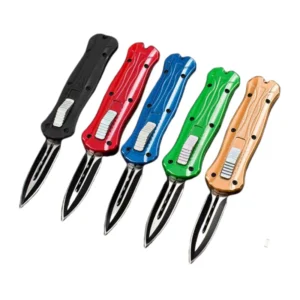
If your catalog includes knife accessories or related blade products, it can help to pair sharpening items with your knife selection. For example, buyers browsing OTF and auto knife wholesale options may also need reliable maintenance tools and storage guidance for responsible ownership.
Practical care tips that keep edges sharper longer
Sharpening is only part of the story. Good care reduces how often a knife needs attention. Use the right cutting surface, wipe the blade clean after use, and store it safely so the edge does not hit other tools. For kitchen knives, avoid twisting the blade in hard food. For everyday carry or utility blades, keep the knife dry and clean according to the maker’s care recommendations.
Retailers and resellers can strengthen customer trust by offering simple maintenance advice with every sale. A short care card or product note can reduce misuse and help the knife perform better. That kind of support also makes your store look more knowledgeable without overcomplicating the sale.
FAQ: sharpening a dull knife the right way
How often should a knife be sharpened?
It depends on use, steel type, and maintenance. A frequently used kitchen knife may need honing often and sharpening every few months, while a lightly used knife may go longer. The best signal is cutting performance, not the calendar.
Can every dull knife be restored?
Not always. Light dullness, rolling, and normal wear are usually fixable. Severe chips, corrosion, or a badly damaged edge may require more work or replacement.
Is a sharpening stone better than a pull-through sharpener?
A stone offers more control and can produce an excellent edge, but it takes practice. A pull-through tool is faster and easier for beginners. The better choice depends on the user’s comfort and the knives being maintained.
What is the biggest mistake beginners make?
Most beginners change the angle too much or use too much pressure. Slow, even strokes are usually more effective than rushing.
Should wholesale buyers include sharpening products with knife sales?
In many cases, yes. Customers appreciate practical add-ons, and maintenance tools can improve satisfaction after purchase. For business buyers planning inventory, a balanced mix of knives, storage, and sharpening items often performs well. If you want to discuss sourcing, you can use the wholesale inquiry form to request more information.
In the end, how to sharpen a dull knife comes down to matching the tool to the problem, staying consistent, and keeping safety in mind. A little maintenance goes a long way, whether you are a home user, a retail buyer, or a wholesale customer building a reliable product lineup.