

How to Sharpen a Pocket Knife with a Sharpening Stone


Short answer
Learn how to sharpen a pocket knife with a sharpening stone using simple steps, angle control, safety tips, and common mistakes to avoid.
In this article
- 01 What you need before you start
- 02 Choosing the right stone for a pocket knife
- 03 Common stone grits and what they do
- 04 How to sharpen a pocket knife with a sharpening stone step by step
- 05 How to keep the angle steady
- 06 Common mistakes that damage the edge
- 07 How to know when the blade is ready
- 08 Cleaning and storing the knife after sharpening
- 09 Why this matters for buyers and resellers
- 10 Practical FAQ
- 11 How often should I sharpen a pocket knife with a stone?
- 12 Should I use water or oil on the stone?
- 13 Can I sharpen a folding knife the same way as a fixed blade?
- 14 What if my knife has a chipped edge?
- 15 How do I know which pocket knives are easiest to maintain for customers?
If you want to sharpen a pocket knife with a sharpening stone, the simplest method is to keep the blade at a steady angle, move it smoothly across the stone, and repeat until the edge feels even and cuts cleanly. A stone gives you more control than quick gadgets, and it works well for everyday folding knives as long as you choose the right grit and stay patient.
For shoppers, store buyers, and resellers, this matters because a sharp pocket knife is one of the first things customers notice. A well-maintained blade feels better in the hand, performs more reliably, and reflects better on the brand or store that sold it. Whether you are caring for one knife at home or stocking products for a retail shelf, understanding the sharpening process helps you choose better knives and better accessories.
What you need before you start
You do not need a complicated setup. A basic sharpening stone, a little water or oil depending on the stone type, and a stable work surface are enough for most pocket knives. Many people also keep a cloth nearby to wipe the blade and stone during the process.
Here is a practical starter checklist:
- Sharpening stone: A combination stone is a good all-purpose option for most users.
- Water or honing oil: Use only what the stone is designed for.
- Flat, steady surface: Prevents slipping and keeps your angle more consistent.
- Clean cloth: Useful for drying the blade and removing residue.
- Optional angle guide: Helpful for beginners who are still learning control.
If you buy knives for resale, it is worth choosing models that respond well to standard sharpening stones. Many customers prefer blades with a practical edge profile and common steel types because they are easier to maintain over time.
Choosing the right stone for a pocket knife
The best stone depends on the condition of the edge. A very dull knife usually needs a coarser side first, while a blade that only needs touch-up work can start on a finer surface. Combination stones are popular because they let you repair and refine the edge without buying multiple tools right away.
Common stone grits and what they do
- Coarse grit: Used for damaged or very dull edges.
- Medium grit: Good for regular sharpening and restoring a working edge.
- Fine grit: Helps refine the edge and improve smooth cutting.
For a pocket knife used in everyday tasks, a medium stone is often enough if the blade is only slightly dull. If the edge has nicks or has not been sharpened in a long time, start coarser and finish finer. Buyers looking for knives to stock should also consider how easy the steel is to maintain, since customers often prefer low-fuss sharpening routines.
How to sharpen a pocket knife with a sharpening stone step by step
The goal is steady contact and a consistent angle. You are not trying to force the blade; you are guiding it. Work slowly and keep the same motion on each side of the edge.
- Prepare the stone. If your stone requires soaking or lubrication, follow the manufacturer’s instructions before use.
- Secure the knife. Open the blade fully and hold the handle firmly with the cutting edge facing away from your fingers.
- Set your angle. A moderate angle is typical for pocket knives. Keep it consistent from start to finish.
- Draw the blade across the stone. Move the edge from heel to tip in a smooth motion, covering the full length of the cutting edge.
- Repeat evenly. Use the same number of strokes on each side so the edge stays centered.
- Check for a burr. As you sharpen, you may feel a slight rough edge on the opposite side. That is a sign you have reached the edge.
- Switch to the finer side. Once the edge is formed, refine it with lighter strokes.
- Clean and test carefully. Wipe the blade and test it on safe materials like paper or cardboard, not on your hand.
Do not rush the process. A few careful passes are better than hard, uneven pressure. If the blade is folding or slipping on the stone, your angle may be too steep or your surface may not be stable enough.
How to keep the angle steady
Angle control is the part that frustrates most beginners. The good news is that you do not need perfect precision to get good results. You only need consistency.
A simple way to stay steady is to imagine the angle as a fixed path rather than a changing motion. Lock your wrist, move your arm smoothly, and avoid pressing down too hard. If a knife has a curved belly near the tip, slow down near that area so the edge stays in contact with the stone.
For retail buyers and distributors, this is also a useful selling point. Customers often appreciate pocket knives that are easy to maintain with basic tools instead of specialty sharpeners. That can make a product line more appealing to both new owners and experienced users.
Common mistakes that damage the edge
Even a good stone can produce poor results if the technique is off. The most common problems are easy to avoid once you know what to watch for.
- Using too much pressure: Heavy pressure can make the edge uneven and may wear the stone faster.
- Changing angles constantly: This makes the edge inconsistent and reduces cutting performance.
- Skipping grit steps: Jumping from very coarse to very fine can leave scratch marks and an unfinished edge.
- Ignoring the burr: If you do not form and remove it properly, the blade may feel sharp at first but dull quickly.
- Sharpening a dirty blade: Grit, pocket lint, and residue can interfere with the stone and scratch the edge.
Another mistake is assuming every knife should be sharpened the same way. Blade steel, thickness, and edge geometry all affect how quickly a pocket knife responds. A tougher steel may take longer, while a softer one may sharpen faster but need touch-ups more often.
How to know when the blade is ready
A pocket knife is ready when it cuts smoothly without forcing, feels even along the edge, and no longer catches on simple materials. You should not need to press hard to slice paper, open packaging, or trim light material. If the knife still drags in one section, go back to the stone and focus on that area with light, controlled passes.
For wholesale buyers, edge quality is worth paying attention to when evaluating inventory. A knife that arrives with a clean, functional edge creates a better first impression for customers. It also reduces complaints from buyers who expect a product that is ready for normal use after simple care.
Cleaning and storing the knife after sharpening
After sharpening, wipe the blade clean and remove any residue from the stone. If the knife is a folding model, close it carefully only after the edge and handle are dry. Store the knife in a dry place, away from moisture and loose objects that can dull the edge.
Responsible storage matters just as much as sharpening. A sharp pocket knife should be kept safely secured when not in use, and owners should follow local rules for carrying and storing knives. General guidance varies by location, so it is always smart to verify local laws and workplace policies before carrying or distributing knife products.
Why this matters for buyers and resellers
If you sell pocket knives, customers often judge quality by how the knife feels in the hand and how easily it can be maintained. A blade that sharpens predictably on a stone is easier to recommend, easier to support, and more likely to earn repeat business. That is one reason many retailers and distributors look for dependable folding knives that pair well with standard care routines.
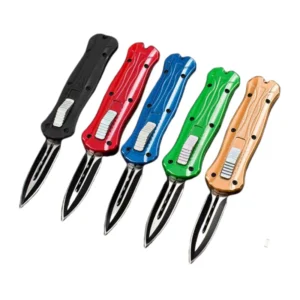
If you are sourcing inventory, you may also want to review product categories that fit everyday customer needs, such as the OTF and automatic knife wholesale category for specialized buyers, or submit a wholesale inquiry if you are building a broader knife selection for your store or distribution network.
Practical FAQ
How often should I sharpen a pocket knife with a stone?
That depends on use. A knife used daily may need touch-ups more often than one that stays in a drawer. Many owners sharpen when the blade starts to drag instead of waiting until it feels completely dull.
Should I use water or oil on the stone?
Use the lubricant recommended for your specific stone. Some stones are made for water, others for oil, and some are designed to be used dry. Using the wrong one can reduce performance.
Can I sharpen a folding knife the same way as a fixed blade?
Yes, the basic sharpening motion is similar, but a folding knife should be opened and locked securely if it has a locking mechanism. Always keep your fingers clear of the edge and maintain control.
What if my knife has a chipped edge?
A chipped edge usually needs a coarser stone and more time. Work slowly and remove damaged metal gradually before refining the edge on a finer grit.
How do I know which pocket knives are easiest to maintain for customers?
Look for practical blade shapes, common steels, and a consistent factory edge. Knives that sharpen easily on standard stones are often more appealing to everyday users and easier for retailers to support.
Sharpening a pocket knife with a stone is a useful skill for home users and a smart product consideration for anyone selling knives. With the right stone, a steady angle, and a little patience, you can restore a dependable edge without complicated tools. For buyers and resellers, that same simplicity often translates into better customer satisfaction and easier long-term care.