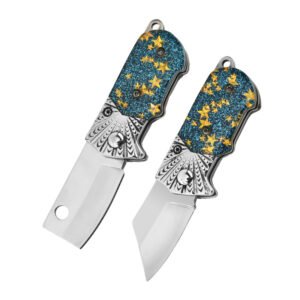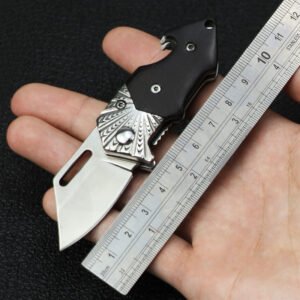


How Old to Buy a Pocket Knife: A Practical Guide for Shoppers and Retail Buyers

Short answer
Learn how old you need to be to buy a pocket knife, what age rules can vary by location, and what retailers and wholesale buyers should check before stocking fo
In this article
- 01 What determines the legal buying age?
- 02 Why the answer is not the same everywhere
- 03 What retail shoppers should check before buying
- 04 What wholesale and B2B buyers should consider
- 05 Common mistakes people make when buying pocket knives
- 06 What makes a pocket knife a better choice for responsible ownership?
- 07 How to store and handle a pocket knife responsibly
- 08 FAQ: age and pocket knife purchases
- 09 Can a minor buy a pocket knife?
- 10 Is there a universal age to buy a pocket knife?
- 11 Do folding knives have different rules than fixed blades?
- 12 What should wholesale buyers do before ordering pocket knives in bulk?
- 13 Can a store refuse to sell a pocket knife even if it’s legal?
- 14 The bottom line
If you’re asking how old you need to be to buy a pocket knife, the safest general answer is that it depends on where you live, where you’re buying, and the seller’s store policy. In many places, pocket knives are treated differently from larger knives or weapons, but age rules can still vary by state, country, city, and even by retailer. Before you buy, verify local laws and the store’s policy, and make sure the knife will be used and stored responsibly.
What determines the legal buying age?
There usually isn’t one universal age for pocket knife purchases. The rules can change based on several factors:
- Local law: Some places set a minimum age for buying certain knives, while others focus more on carrying, concealed carry, blade length, or knife type.
- Store policy: A retailer may choose to sell only to adults even if the law is less specific.
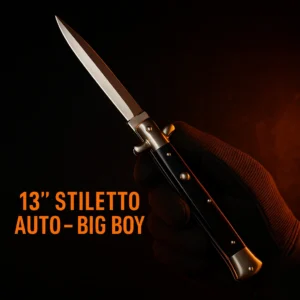
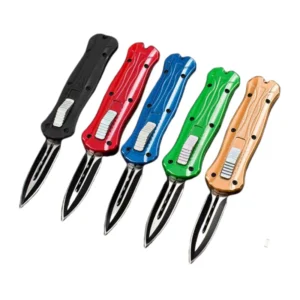
- Knife style: A simple folding pocket knife may be treated differently from an assisted-opening knife, automatic knife, or a blade with a longer edge.
- How the knife is used: Utility use, outdoor use, collection, and work use can all be viewed differently under local rules.
For shoppers and wholesale buyers, the key point is this: don’t assume a pocket knife is automatically available to everyone. Check the rules before you list, stock, or purchase.
Why the answer is not the same everywhere
Knife laws are often written at the state, provincial, or municipal level, and those rules can overlap. One town may allow small folding knives with few restrictions, while a neighboring area may limit blade length or restrict carry in certain places. In some regions, the purchase age is tied to the buyer’s age as an adult, while in others the law focuses more on possession than the sale itself.
That’s why a buyer in one market may be able to purchase a pocket knife legally at a shop counter, while another buyer may need to wait or meet additional conditions. If you operate a store or buy for resale, it’s smart to treat age verification as part of normal compliance, not as an afterthought.
What retail shoppers should check before buying
If you’re buying one knife for personal use, a few practical checks can save time and trouble:
- Confirm the age rule in your location: Look at current local regulations, not old forum posts or outdated advice.
- Review the blade style: A basic folding knife is often easier to buy and carry lawfully than a more aggressive-looking design.
- Think about intended use: Everyday tasks like opening packages, cutting rope, or light outdoor work are very different from self-defense assumptions.
- Ask about store policy: Some shops require ID for any knife sale, especially for first-time buyers or younger customers.
If you are buying as a gift for a younger family member, it may be better to choose a tool-focused model and keep it under direct adult supervision until you’ve confirmed the local age rules and safety expectations.
What wholesale and B2B buyers should consider
For retailers, distributors, and online resellers, age questions are more than a customer service issue. They affect ordering decisions, product pages, checkout rules, and in-store staff training. A wholesale buyer should look at the rules in the destination market before adding inventory.
Helpful buyer criteria include:
- Clear product descriptions: Know the blade length, opening method, lock type, and any features that could trigger extra restrictions.
- Market-specific compliance: If you sell across regions, make sure your assortment fits the strictest common rules in your sales area.
- Age-gated checkout options: Online stores may need ID verification or adult confirmation depending on the jurisdiction and product type.
- Staff training: Counter staff should know when to ask for identification and when to decline a sale.
- Customer education: A simple care and safety insert can reduce returns and misuse concerns.
Many wholesale buyers prefer compact, practical folding knives because they are easier to merchandise for general utility use. If you’re building a compliant assortment, you can browse a broad selection in the folding knife wholesale category and compare options by style, size, and intended use.
Common mistakes people make when buying pocket knives
Most problems come from assumptions. Here are a few to avoid:
- Assuming the law is the same everywhere: It often isn’t.
- Buying based on appearance only: A knife that looks small may still be restricted because of opening mechanism or carry rules.
- Ignoring the seller’s policy: A store can be stricter than the law.
- Forgetting about carry rules: Buying a knife and legally carrying it are not always the same thing.
- Choosing the wrong knife for the user: A beginner may do better with a simple, manual-opening folder than a more complex model.
For business buyers, another common mistake is stocking knives without checking the rules for the states or countries where the products will be sold. That can lead to returns, customer complaints, or inventory that can’t be moved as planned.
What makes a pocket knife a better choice for responsible ownership?
If you are selecting a pocket knife for everyday utility, look for features that support safe and practical use:
- Manual opening: Often simpler and more broadly acceptable than automatic or assisted-opening models.
- Secure lock: A reliable lock can help prevent accidental closure during normal use.
- Moderate blade length: Smaller blades are often easier to carry and store responsibly, though local rules still matter.
- Comfortable handle: Good grip and control are important for safe handling.
- Easy maintenance: A knife that opens smoothly and cleans easily is more suitable for everyday utility.
These are useful considerations whether you’re buying one piece for personal use or placing a bulk order for retail shelves.
How to store and handle a pocket knife responsibly
Responsible ownership matters as much as the purchase itself. Store pocket knives out of reach of children, keep them closed when not in use, and use a sheath, pouch, or dedicated storage location if appropriate. If your local rules restrict carry in schools, government buildings, airports, or public events, follow those rules carefully.
For stores and resellers, product packaging and inserts can reinforce safe handling. A simple message about age-appropriate use, lawful carry, and secure storage helps customers make better decisions after the sale.
FAQ: age and pocket knife purchases
Can a minor buy a pocket knife?
Sometimes, but not always. It depends on local law and the seller’s policy. Many stores will require an adult buyer, even if the law is less specific.
Is there a universal age to buy a pocket knife?
No. There is no single rule that applies everywhere. Verify the law in your area before purchasing or selling.
Do folding knives have different rules than fixed blades?
Often, yes. Folding knives are commonly treated as utility tools, but restrictions can still apply based on blade length, opening mechanism, or carry method.
What should wholesale buyers do before ordering pocket knives in bulk?
Check destination-market rules, review product specifications, and make sure your sales process supports any required age verification or compliance steps.
Can a store refuse to sell a pocket knife even if it’s legal?
Yes. Retailers can set their own policies, and many choose to be stricter than the minimum legal standard.
The bottom line
If you’re wondering how old to buy a pocket knife, the safest answer is to verify the rules where you live and where you shop. Age requirements can vary, and the knife style, store policy, and intended use all matter. For shoppers, that means checking before purchasing. For retail and wholesale buyers, it means building a product mix and sales process that supports lawful, responsible ownership. A well-chosen folding knife should be practical, easy to handle, and appropriate for the market it’s sold in.