




How to Carry a Pocket Knife Safely and Comfortably

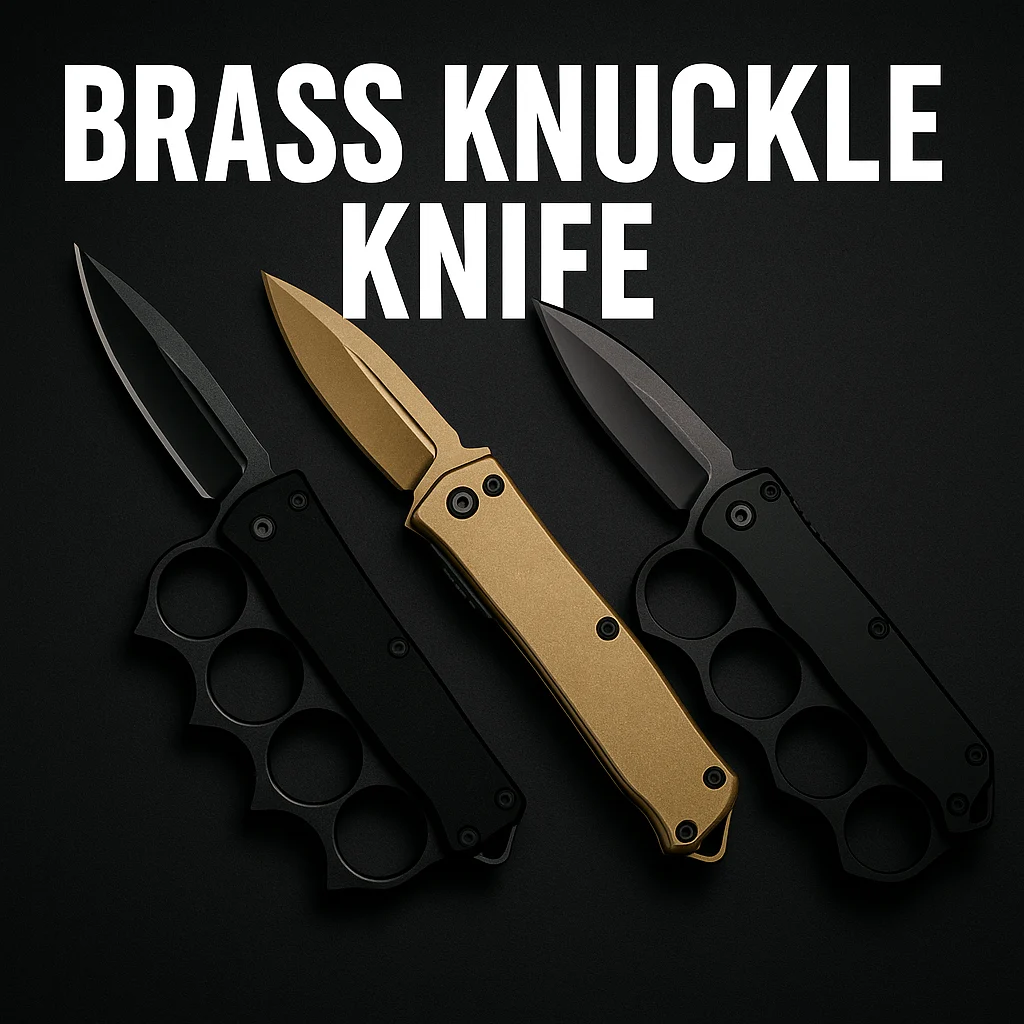
The best way to carry a pocket knife is the one that keeps it secure, easy to reach, and legal where you live. For most people, that means a folding knife with a reliable pocket clip, carried in a front pocket, with the blade fully closed and the knife positioned so it will not shift around during the day. If you are buying for a store, stocking for resale, or choosing models for personal use, comfort, clip quality, blade length, and local rules all matter just as much as the knife itself.
How you carry a pocket knife affects everyday convenience, safety, and customer satisfaction. A knife that feels great in the hand can still be annoying to carry if the clip is too stiff, the handle is too bulky, or the weight pulls at light fabric. Below, we break down practical carry options, what buyers should look for, and the most common mistakes to avoid.
Start with the safest everyday carry setup
For most folding knives, the simplest setup is a closed knife clipped inside a front pocket. This keeps the knife upright, helps prevent it from falling out, and makes it easier to access without digging through loose items. Front-pocket carry also tends to be more comfortable than back-pocket carry because the knife is less likely to press against a seat when you sit down.
If the knife does not have a clip, a pouch or sheath designed for folding knives can help protect the blade and reduce pocket wear. Some users prefer a slip or pouch when they want a more discreet carry or when the knife has a smooth handle that could otherwise slide around in the pocket.
Common ways people carry a pocket knife
Front pocket carry
This is the most common choice for daily use. It offers quick access, usually better retention, and less chance of the knife getting lost in a bag or bouncing around with keys and coins. Many buyers prefer this style because it works well with compact folding knives and pocket clips.
Back pocket carry
Some people choose the back pocket for convenience or habit, but it can be less comfortable when sitting and may expose the knife to more wear. If a customer asks for back-pocket carry, it is worth checking whether the clip is strong enough and whether the handle shape stays flat.
Coin pocket or watch pocket carry
Smaller folding knives may fit in a coin pocket on jeans or work pants. This can be useful for compact models, but it is not ideal for larger knives. Buyers should test fit carefully because a pocket that is too tight can make the knife hard to remove and may damage stitching over time.
Tool pouch or bag carry
For tradespeople, outdoor users, or customers who already carry a work bag, a dedicated pouch can keep a folding knife separated from other tools. This is a practical choice when the knife is part of a larger kit, but it is usually slower to access than pocket carry.
What makes a pocket knife comfortable to carry
A knife that carries well usually has a few important traits. Retail buyers and distributors should pay attention to these details because they affect return rates and customer reviews.
- Clip tension: The clip should hold the knife firmly without being so tight that it tears fabric or becomes difficult to use.
- Handle profile: Slim handles are easier to carry, especially in fitted pants or light workwear.
- Weight: Heavier knives can feel substantial in the hand but annoying in a pocket, particularly for all-day carry.
- Clip placement: Deep-carry clips sit lower in the pocket and can make the knife less visible.
- Grip texture: A handle with enough texture helps when using the knife, but overly aggressive edges can feel uncomfortable against the leg.
When sourcing wholesale, these details matter because customers often judge a knife by how it disappears into a pocket, not just by the blade steel or opening action. For a broad range of folding models, many buyers start with the folding knife wholesale category to compare sizes, clip styles, and handle materials side by side.
How to choose the right carry method for different users
Not every customer needs the same setup. A practical carry choice depends on how the knife will be used and what kind of clothing the buyer wears.
Everyday carry for office or casual use
Look for a slim folding knife with a smooth clip and moderate blade size. The goal is discreet, comfortable carry without printing heavily through the pocket. Lightweight handles and rounded edges are usually preferred.
Workwear and trade use
For contractors, warehouse staff, and field workers, a sturdier clip and a handle that is easy to grip with gloves can matter more than ultra-light weight. A knife should stay secure even when the wearer bends, kneels, or climbs in and out of vehicles.
Outdoor and utility use
Campers, anglers, and hikers often want a knife that carries securely during movement and resists moisture or dirt. In these cases, a pocket clip plus a protective pouch can be useful, especially when the knife is carried alongside other gear.
Retail customers buying as gifts
If the knife is a gift, choose a model that is easy to explain and easy to carry. A compact folding knife with a reliable clip is usually a safer recommendation than a larger, more specialized design.
Buyer checklist: what to inspect before stocking or buying
Before placing a wholesale order or selecting a knife for store inventory, it helps to inspect the carry features as carefully as the blade itself.
- Check the clip style: Deep-carry, standard, and reversible clips serve different users.
- Test pocket fit: Make sure the knife does not feel oversized for common pants or work uniforms.
- Look at the opening action: A knife should open smoothly, but not so loosely that it feels unsafe in the pocket.
- Review the closed length: Shorter closed lengths are usually easier to carry discreetly.
- Inspect finish and edges: Sharp corners on the handle or clip can make pocket carry uncomfortable.
- Consider the audience: A store serving tradespeople may need different carry styles than one serving collectors or casual users.
Common mistakes people make when carrying a pocket knife
Many problems are avoidable with a little attention to detail. These are the most common mistakes to watch for.
- Carrying loose in a pocket: This makes the knife harder to find and can increase wear from keys, coins, and other items.
- Choosing a knife that is too large: Oversized knives can be uncomfortable and may not suit everyday clothing.
- Ignoring local rules: Carry laws vary by location, so buyers should verify local regulations before using or reselling a knife.
- Mixing the knife with unrelated items: Loose storage can dull the blade and scratch the handle.
- Overlooking clip strength: A weak clip can lead to accidental loss, while a clip that is too aggressive can damage pockets.
It is also a mistake to assume one carry style works for every user. A knife that is perfect for jeans may be awkward in dress slacks, and a knife that suits a tradesperson may feel too bulky for someone who carries it only occasionally.
Safety and storage basics for everyday carry
A pocket knife should always be carried closed unless it is being used for a lawful, appropriate task. Keep the knife away from children, and store it separately when not in use. If your customers ask about carrying in public, the safest general advice is to follow local rules, keep the knife discreet, and avoid unnecessary handling.
For shops and wholesale buyers, it can help to include simple care reminders with the product: keep the blade clean, dry the knife after exposure to moisture, and check the clip screws periodically. Small maintenance habits improve the carry experience and reduce returns.
FAQ: practical questions about carrying a pocket knife
Should a pocket knife be carried in the front or back pocket?
Front pocket carry is usually more comfortable and secure for most users. Back pocket carry can work, but it is often less comfortable when sitting and may expose the knife to more wear.
Is a pocket clip necessary?
No, but it is very helpful. A clip improves retention and makes the knife easier to access. If a knife does not have a clip, a pouch or sheath can be a good alternative.
What size pocket knife is easiest to carry?
Compact folding knives are usually easiest to carry every day. Buyers should think about pocket size, handle thickness, and overall weight rather than blade length alone.
How do I know if a knife will fit my customers’ needs?
Look at the intended use, clothing style, and carry preference. For wholesale purchasing, it helps to offer a mix of slim everyday models and sturdier utility options so different shoppers can choose what feels right.
Are there rules for carrying a pocket knife?
Yes, but they vary by place. General guidance is not enough on its own, so users and resellers should verify local and regional rules before buying, carrying, or selling.
In the end, the best way to carry a pocket knife is the one that balances comfort, security, and practicality. A well-designed folding knife with a dependable clip, a slim profile, and a size that matches the user’s daily routine will usually carry better than a larger or more complicated option. For buyers who want to compare styles, the right starting point is a focused selection of folding knives that fit real-world carry needs, not just display appeal.