

Did Karmelo Anthony Have a Knife or a Cleat Sharpener? What Buyers Should Know


Short answer
A clear, practical look at whether Karmelo Anthony had a knife or a cleat sharpener, plus what shoppers and wholesale buyers should know about blade tools, spor
Key Takeaways
- Knife rules can vary by state, city, blade style, opening mechanism, carry method, and intended use.
- Do not treat a product nickname as a legal category; check the actual features and local rule.
- Retailers should keep legal or safety language factual and avoid promising that one item is allowed everywhere.
Terms Used Here
- OTF
- Out-the-front; a knife design where the blade moves forward from the front of the handle.
- Automatic knife
- A knife that opens by a spring-driven mechanism after the user activates a button, switch, or slider.
- Folding knife
- A knife with a blade that pivots into the handle for storage.
In this article
- 01 Why this question keeps coming up
- 02 Knife or cleat sharpener: how the difference is usually recognized
- 03 What a knife typically looks like
- 04 What a cleat sharpener typically looks like
- 05 What shoppers should verify before drawing conclusions
- 06 How this connects to knife and tool purchasing
- 07 Buyer criteria that matter more than the rumor
- 08 Common mistakes to avoid
- 09 Practical FAQ
- 10 Was Karmelo Anthony definitely carrying a knife?
- 11 Could a cleat sharpener be mistaken for a knife?
- 12 Why does this matter to wholesale buyers?
- 13 What should I look for when sourcing compact tools?
- 14 Can I sell these products anywhere?
- 15 Why clear product knowledge helps retailers and distributors
The short answer is that reports and online discussion can be confusing, and the safest way to approach the question of whether Karmelo Anthony had a knife or a cleat sharpener is to rely on verified information, not rumor. In many situations, a small tool in a sports bag can be mistaken for something else, especially when people are looking at a photo, a brief statement, or secondhand commentary. For shoppers and buyers, the more useful takeaway is how to tell a knife from a cleat sharpener, what each tool is actually used for, and what to look for when sourcing either product responsibly.
Why this question keeps coming up
Questions like this often spread because the item itself is small, unfamiliar, or described loosely. A cleat sharpener, for example, is a sports maintenance tool used to keep certain athletic cleats in better condition. A knife, on the other hand, is a cutting tool with a different purpose and different handling expectations. When people hear that someone had a “sharpener” or a “blade,” the details can get blurred quickly.
If you are a retailer, reseller, or distributor, that confusion matters. Customers may ask for a product by the wrong name, or they may compare a sports tool to a knife because both can be compact and metal. A clear product description, accurate photos, and straightforward labeling help prevent returns and misunderstandings.
Knife or cleat sharpener: how the difference is usually recognized
Even without a specific incident in front of you, there are practical ways to tell these items apart.
What a knife typically looks like
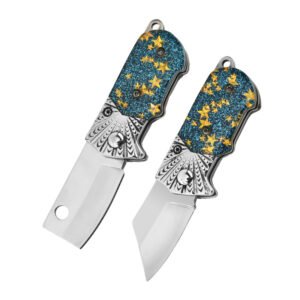
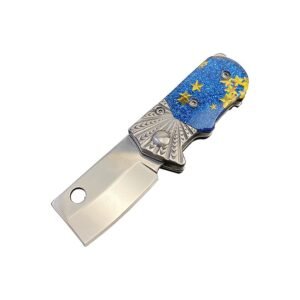
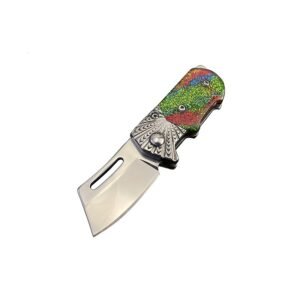
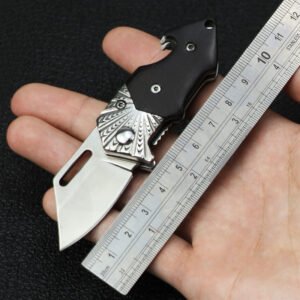
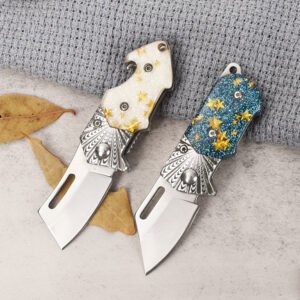
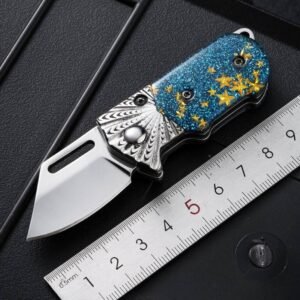
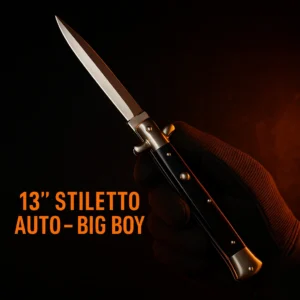
- A visible blade designed for cutting tasks
- A handle or folding body made for grip and control
- Locking or opening mechanisms on many modern models
- Packaging that usually identifies blade length, steel type, and intended use
What a cleat sharpener typically looks like
- A smaller maintenance tool, often used on sports equipment
- A shape focused on filing, cleaning, or restoring traction-related parts
- Less emphasis on cutting performance and more on upkeep
- Packaging that may mention athletic use, field maintenance, or equipment care
For wholesale buyers, the easiest mistake is assuming a compact tool with a pointed end is a knife. In reality, product function is more important than appearance alone. If a customer is buying for a sporting goods section, the description should make it clear whether the item is for blade use, equipment maintenance, or general utility.
What shoppers should verify before drawing conclusions
When a name is attached to a story, it is tempting to focus on the headline and skip the details. That is where confusion starts. A better approach is to check the following:
- Source quality: Is the information coming from a reliable report, official statement, or direct documentation?
- Exact item description: Does the source say knife, sharpener, tool, or equipment accessory?
- Context: Was the item found in a sports bag, toolbox, or everyday carry setup?
- Local rules: What is allowed in one city or state may differ elsewhere, so readers should verify local laws and venue policies.
This matters for buyers too. A retailer who stocks the wrong category, or labels a tool too broadly, can create customer complaints and compliance concerns. General information is helpful, but final decisions should always follow local rules and product-specific guidance.
How this connects to knife and tool purchasing
Whether someone is asking about a knife or a cleat sharpener, the underlying issue is product identification. That is especially important in wholesale. A good buyer looks at how the item will be used, how it should be described, and who the end customer is.
For example, a convenience store buyer may want compact tools that are clearly categorized and easy to display. An online reseller may need product photos that show the shape, finish, and size accurately. A distributor may care about consistent packaging and fewer gray-area descriptions that can confuse staff or buyers.
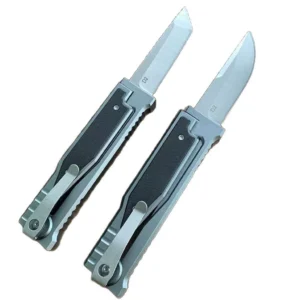
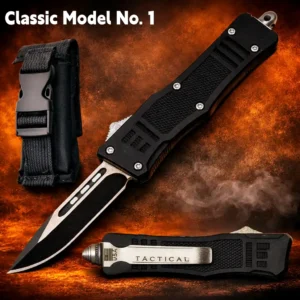
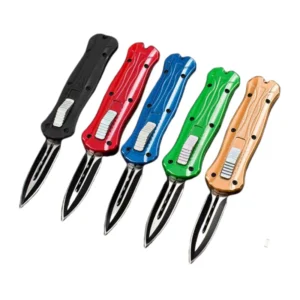
If you are building out a broader assortment, it can help to review a dedicated OTF and automatic knife wholesale selection alongside other utility items so your catalog stays organized and your customers know exactly what they are getting.
Buyer criteria that matter more than the rumor
When evaluating compact tools, use practical criteria rather than speculation about a specific person’s item.
- Purpose: Is it for cutting, sharpening, maintenance, or general utility?
- Size and portability: Will it fit the buyer’s intended carry or storage setup?
- Material quality: Steel quality, handle durability, and finish matter for returns and reviews.
- Clarity of labeling: Customers should understand what the product is at a glance.
- Compliance fit: Make sure the item aligns with local regulations and marketplace policies.
These criteria are useful for both knife products and sports maintenance tools. A well-made item with clear documentation is easier to sell, easier to support, and less likely to be returned because of confusion.
Common mistakes to avoid
One of the biggest mistakes is treating a rumor as product proof. Another is assuming that any small metal tool is a blade. For stores and resellers, here are a few pitfalls that can create problems:
- Using vague titles that do not distinguish a knife from a maintenance tool
- Posting photos that hide the shape or function of the item
- Ignoring local restrictions on carrying, selling, or displaying certain products
- Mixing sporting goods terminology with knife terminology
- Buying inventory based on hype rather than actual customer demand
Clear merchandising solves many of these issues. If a customer is looking for a knife, show the blade. If they are looking for a cleat sharpener, show the intended use and avoid language that suggests it is something else.
Practical FAQ
Was Karmelo Anthony definitely carrying a knife?
Public discussion can be inconsistent, so it is best not to assume. If you need a factual answer, rely on verified reporting or official information rather than reposted claims.
Could a cleat sharpener be mistaken for a knife?
Yes, especially if the object is small, metallic, or only seen briefly. The intended use and product details are what separate one from the other.
Why does this matter to wholesale buyers?
Because accurate product identification affects purchasing decisions, customer trust, and compliance. A miscategorized item can create returns, complaints, or policy issues.
What should I look for when sourcing compact tools?
Focus on function, materials, labeling, packaging, and the laws or policies that apply in your market. If the item is a knife, make sure it is described clearly. If it is a sports tool, make sure it is not presented in a misleading way.
Can I sell these products anywhere?
No single rule applies everywhere. Knife and tool sales can vary by jurisdiction and platform. Always verify local regulations and marketplace requirements before listing or shipping.
Why clear product knowledge helps retailers and distributors
Questions like “did Karmelo Anthony have a knife or a cleat sharpener” show how easily a small object can be misunderstood. For the trade, the lesson is simple: precise product naming, honest photos, and responsible sourcing save time and reduce friction. Buyers who understand the difference between a blade tool and a sports maintenance tool make better inventory choices and serve customers more effectively.
If you are building a catalog that includes compact knives, automatic models, or related accessories, it helps to work with suppliers who keep descriptions consistent and wholesale terms straightforward. For business buyers ready to source inventory, you can also submit a wholesale inquiry to discuss product options and ordering needs.
In the end, the most useful answer is not speculation about a headline. It is knowing how to identify the item, what it is meant for, and how to buy, sell, and store it responsibly.