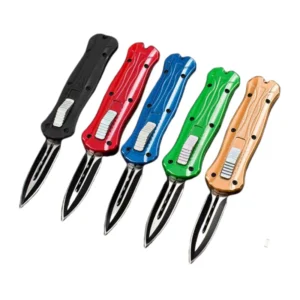


Knife Accessories for Wholesale Orders: Boxes, Clips, Displays, and Sharpeners

Short answer
Dealer education guide for knife accessories, knife boxes, knife clips, knife display stands RFQ routing.
Key Takeaways
- Start with a mild method and increase pressure or abrasion only when the blade condition requires it.
- Edge angle, steel type, corrosion level, and handle material all affect the right care method.
- For wholesale assortments, simple care instructions help customers keep knives useful longer.
Terms Used Here
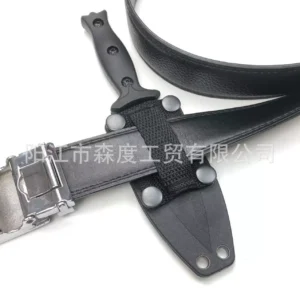
- Sheath
- A protective cover used to store or carry a knife safely.
In this article
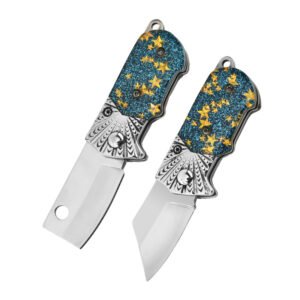
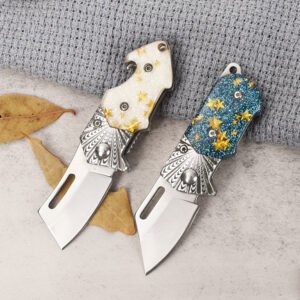
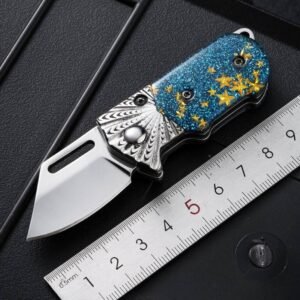
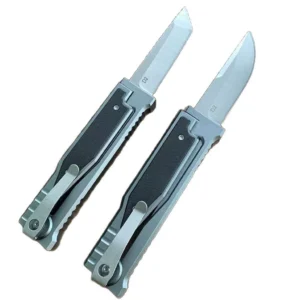
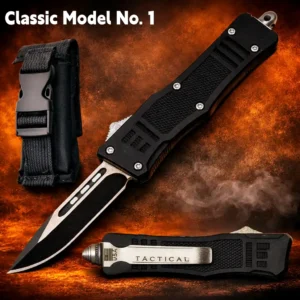
Knife accessories are often the difference between a simple knife restock and a retail-ready program. Buyers may ask for knife boxes, knife clips, knife display stands, replacement blades, sharpeners, sheaths, barcode labels, or private-label packaging.
Before quoting knife accessories, confirm compatibility with the knife model, packaging format, logo or label requirement, display count, carton quantity, and whether the buyer needs a mixed accessory kit or a single replenishment item.
Keep accessory planning connected to existing product pages and the Accessories category so buyers can compare packaging and refill requirements without new duplicate categories.
Dealer RFQ checklist
- Confirm product image or nearest catalog lane before assigning a SKU.
- Confirm sample quantity, carton quantity, packaging format, logo option, and destination market.
- Use the article as buyer education; keep commercial details in the RFQ reply.
Related catalog lanes
Plain Meaning
Knife care is best understood as a sequence: inspect, clean, dry, sharpen only if needed, then store safely. Skipping steps can make a simple issue harder to fix.
Rust removal, edge sharpening, handle care, and lubrication are different jobs. The right method depends on the steel, finish, edge condition, and how the knife is used.
Why It Matters
Many knife problems come from using too much force or the wrong tool. A mild method protects the blade and helps the reader understand what actually needs attention.
For product education, maintenance guidance also helps set realistic expectations around stainless steel, carbon steel, coatings, and storage habits.
What To Check Next
- Blade material and finish before using abrasives.
- Edge angle and blade shape before sharpening.
- Moisture, residue, and storage conditions after use.
- Whether the issue is cosmetic, functional, or safety-related.