
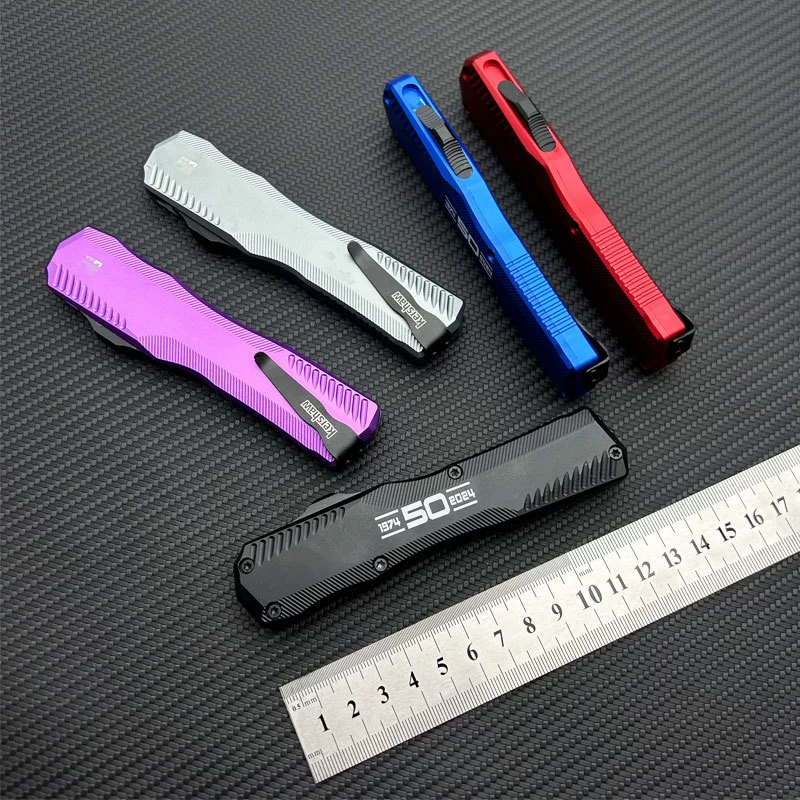
Custom & OEM Knife Buyer Guide
A practical brief for buyers who need a private-label, custom or OEM knife program.
Turn a product idea into a reviewable brief
Custom work moves faster when the supplier can separate confirmed requirements from open decisions. Send drawings or reference images together with dimensions, mechanism, blade material, handle material, finish and target quantity.
Logo, packaging and sample checkpoints
Logo placement, marking method, packaging and sample timing depend on the selected model and production route. Ask for these as separate quote lines so the commercial decision is clear.
Use one change-controlled request
Keep the latest artwork, quantity and packaging requirements in one thread. If a change affects price, MOQ or lead time, request an updated quote before approving production.
Read the OEM FAQ section or send your design brief.
Ready to source?
Send the exact product list and we will review it.
Community questions and practical checks
Avoid custom knife order misunderstandings by recording the design, starting condition and approved changes before work begins. A customer’s picture may communicate a style but leave important questions unanswered. A useful agreement makes clear what will be made, what can change and what needs another approval.
Translate the idea into a revision
Separate decorative preferences from functional requirements. Record dimensions, materials, mechanism, finish, markings and included packaging where applicable. Name the reference version so a later message cannot accidentally replace the approved brief.
If a reference involves another creator’s protected design or logo, resolve permissions before commissioning it. A forum suggestion to advertise to a fan community is not permission to reproduce a protected design or ignore community rules.
Record the starting condition
For work on an existing knife, document condition before accepting it. Photograph damage and unusual geometry, then agree on the proposed result and limits. Do not assume a customer’s silence authorizes an irreversible change.
For new production, distinguish digital rendering, prototype and production sample. Confirm which one is being approved and whether a visual preview demonstrates anything about operation or final materials.
Use a written change log
When a requirement changes, record the new version, any effect on price or delivery and who confirmed it. Keep both the original and revised agreement available.
If a dispute occurs, reply with the condition record and agreed scope. Avoid treating an angry forum response as a business procedure. Clear evidence and a specific proposed resolution are more useful than blame.
What the community discussion adds
A niche custom project drew enthusiasm from a fan audience, but a separate service dispute produced the more transferable advice: inspect and photograph the knife before work, then ask the customer to approve the scope. Another specialist described recording existing damage. The synthesis is to pair a clear design brief with a clear starting-condition record.
Read the relevant community reply 1, community reply 2, community reply 3. These are personal experiences and opinions, not independent tests or store policies.
A practical checklist
- Dated design brief and permissions
- Starting-condition photographs
- Separate render, prototype and sample approval
- Written changes and impact confirmation
Common questions
Is a reference picture a complete custom specification?
No. It needs written dimensions, construction details and agreed limits.
Should condition be recorded only after a complaint?
Record it before work so later discussions have a shared reference.
Compare the current knife catalog and send the exact model, quantity and destination through the wholesale inquiry form. Ask for written confirmation of any requested option before relying on it.
Community sources reviewed 23 October 2026. Historical discussions provide context; vote scores and product or policy details can change.