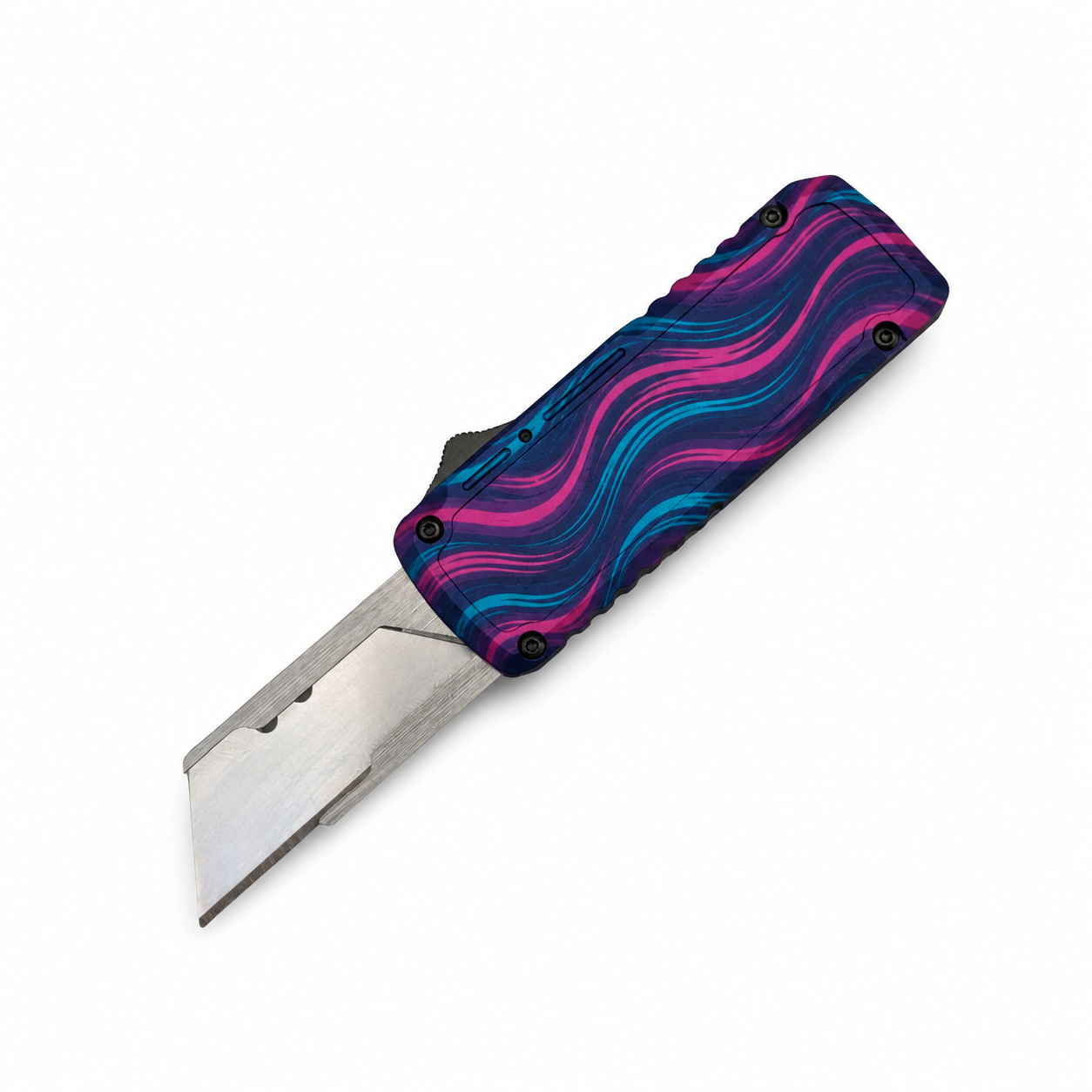
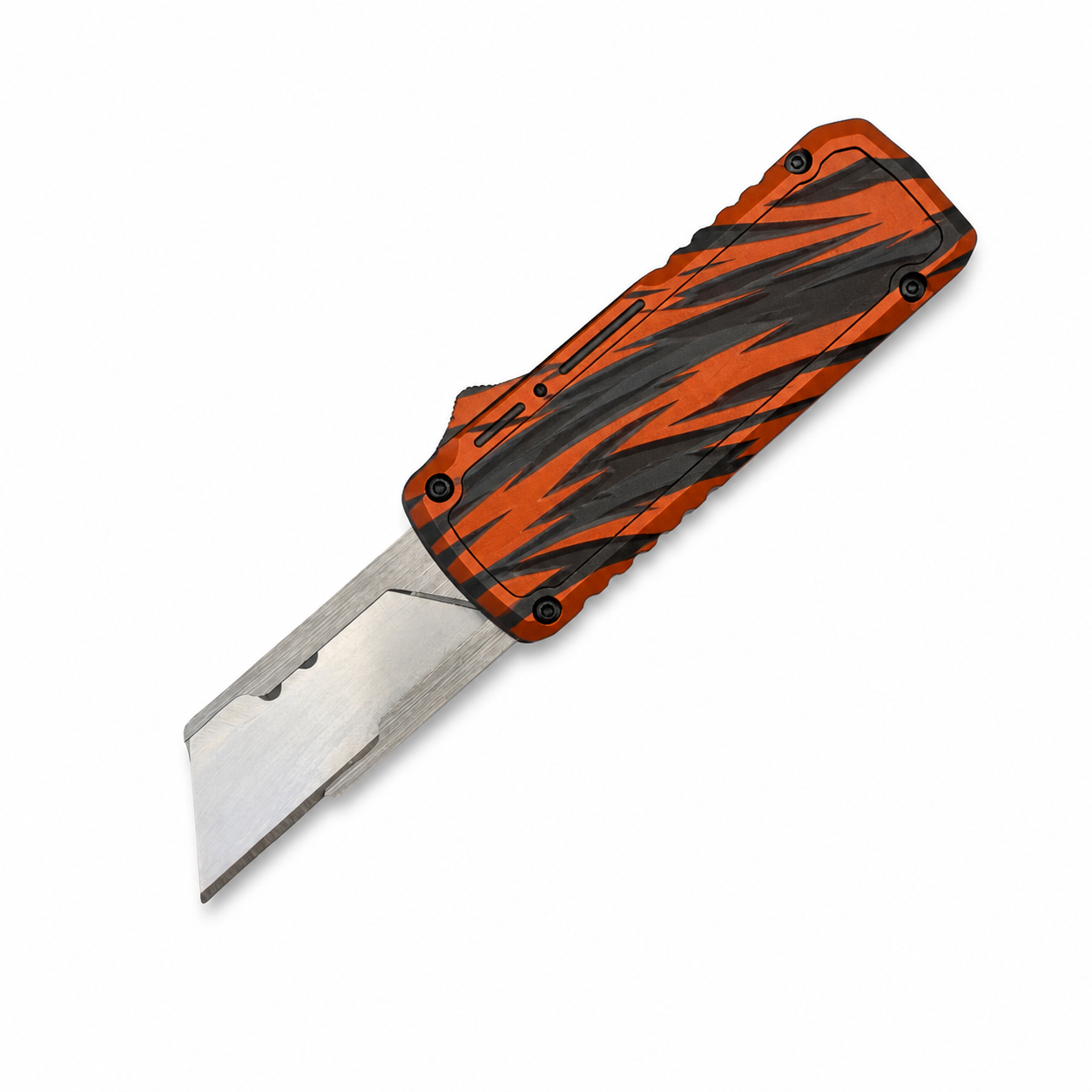
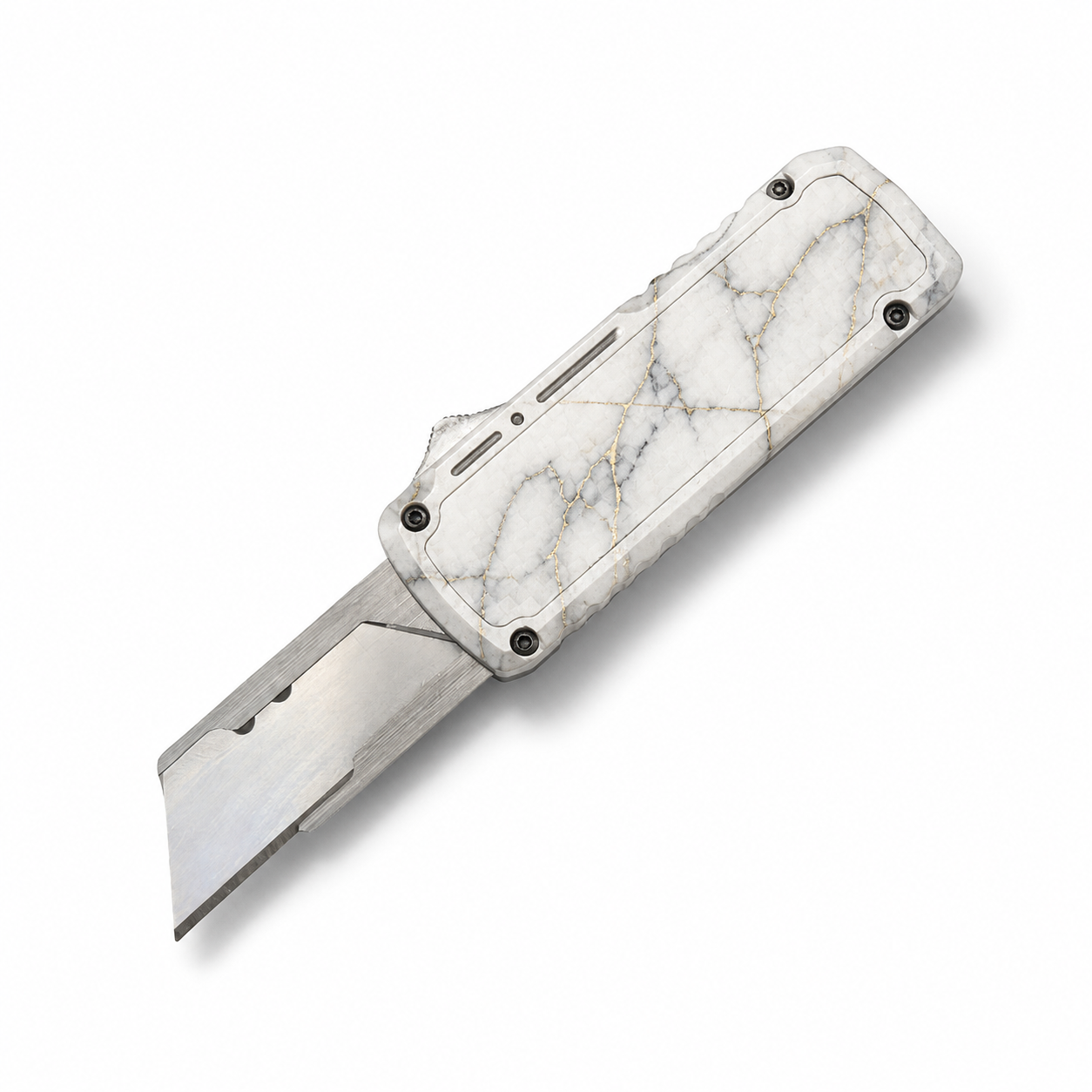
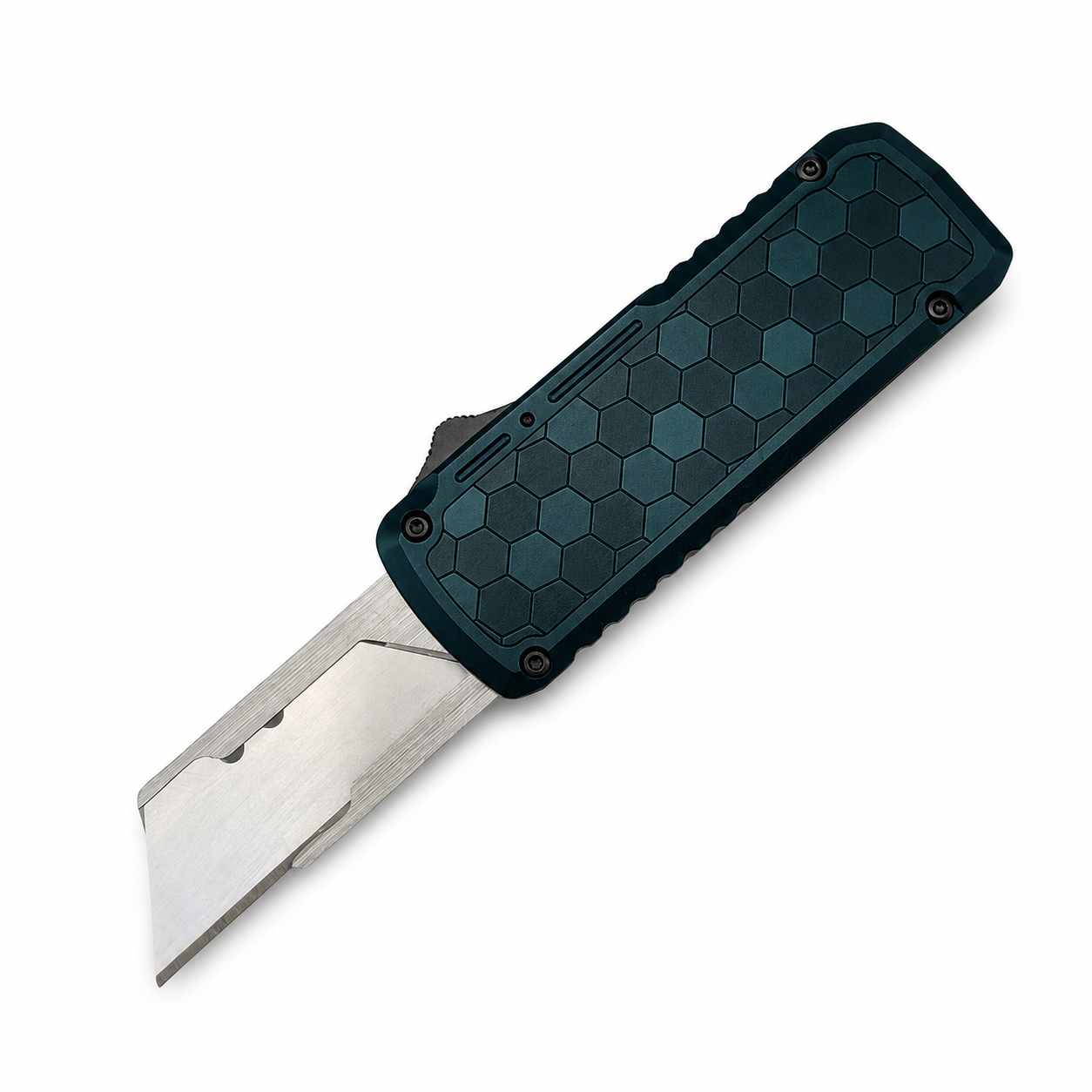
Are OTF Knives Good for Utility Use?

Short answer
Yes—OTF knives can work well for light-to-medium utility cutting. Learn the best tasks, main drawbacks, and what makes an OTF practical for everyday work.
In this article
- 01 Where OTF knives work well for utility tasks
- 02 Where OTF knives fall short
- 03 Quick comparison: OTF vs other utility knife options
- 04 What features make an OTF practical for work
- 05 How to tell if an OTF is actually utility-ready
- 06 Maintenance matters more with OTFs
- 07 Best-use and not-best-use answer
- 08 A short note for retailers and stock planners
- 09 FAQ
- 10 Are OTF knives good for everyday utility use?
- 11 What is the best blade style for utility use on an OTF?
- 12 Are OTF knives better than regular folding knives for work?
- 13 What is the biggest drawback of an OTF for utility use?
- 14 Can OTF knives be used on jobsites?
Yes—OTF knives can be good for utility use, but only for the right kind of work. They are best for light-to-medium repetitive cutting like tape, plastic wrap, cord, and package breakdown, and poor for prying, dirty jobsites, and heavy trade abuse.
That is the short answer most users need. If your day involves lots of quick, controlled cuts and you want fast one-handed open-and-close operation, an OTF can be very practical. If your work involves drywall dust, roofing, scraping, twisting cuts, or constant edge replacement, another tool usually makes more sense.
In plain English: an OTF is a convenient cutting tool, not a hard-use jobsite beater.
Where OTF knives work well for utility tasks
The OTF format shines when the job is repetitive, low-force, and benefits from safe retraction between cuts. Because the blade slides in and out of the handle, the knife stays compact in the pocket and can be closed quickly after each task.
- Opening cartons and mailers: Good for slicing tape, lifting box seams, and breaking down packaging.
- Cutting stretch wrap and shrink wrap: Fast deployment helps when moving from pallet to pallet or station to station.
- Trimming cord, zip ties, and light rope: A sharp single-edge blade handles these well.
- Retail, warehouse, and delivery work: Easy pocket carry and quick retraction are useful when the knife comes out many times a day.
- Inspection kits, vehicles, and field bags: Compact size and one-handed use are often more important than brute strength.
A realistic example: a warehouse worker holds stretch film with the off hand, pushes the thumb switch forward, extends the blade, uses the tip to lift the film, then draws the straight part of the edge down to slice it cleanly. After the cut, the worker pulls the switch back and retracts the blade before grabbing the next package. In that sequence, the switch, tip, edge, and retraction all matter. That is exactly the kind of utility task where an OTF makes sense.
Many people browsing an OTF knife collection are not looking for a novelty knife. They want something slim, quick, and predictable for everyday cutting.
Where OTF knives fall short
The same mechanism that makes an OTF convenient also creates limits. There are more moving parts than on a fixed blade or a simple manual folder, and the design is less tolerant of side loading, grit, and rough handling.
- Bad choice for prying: OTFs are cutting tools. Prying can stress the blade track and lockup.
- Not ideal for twisting cuts: If you twist the blade in thick material, blade play feels more noticeable and wear increases faster.
- Less suited to gritty environments: Pocket lint is one thing; drywall dust, sand, sawdust, and metal shavings are another.
- Not the best for heavy trades: Construction, demolition, roofing, and flooring work usually favor fixed blades or replaceable-blade utility knives.
- Not great for scraping: Utility knives with disposable blades are easier to abuse and cheaper to refresh.
One common misconception is that fast deployment automatically makes an OTF better for all work. It does not. Opening speed helps only when the actual cutting task is light, repeated, and controlled. If the work is dirty, abrasive, or forceful, speed matters less than strength and easy maintenance.
Quick comparison: OTF vs other utility knife options
- Best tasks for an OTF: tape, wrap, cartons, cord, quick repeated cuts, pocket carry
- Poor tasks for an OTF: prying, scraping, sheet goods, roofing material, dusty jobsite work
- Best blade type on an OTF: single-edge drop point or utility-style tanto
- Main drawback: more sensitive to dirt, side pressure, and misuse than simpler knife designs
Compared with other options:
- OTF knife: Best when convenience, compact carry, and one-handed retraction matter most.
- Manual folding knife: Usually tougher under side pressure, simpler inside, and often better value.
- Fixed blade: Better for heavier cutting, easier cleaning, and dirty or wet conditions.
- Replaceable-blade utility knife: Best for abrasive materials and jobs that burn through edges fast.
What features make an OTF practical for work
Not every OTF is a good utility knife. Some look dramatic but are less useful in daily cutting. The best work-oriented models tend to share a few specific traits.
- Single-edge blade: More practical than double-edge for everyday tasks. You get a safer spine, more familiar control, and better utility cutting angles.
- Moderate blade length: Around standard everyday-carry size is easier to control than oversized blades.
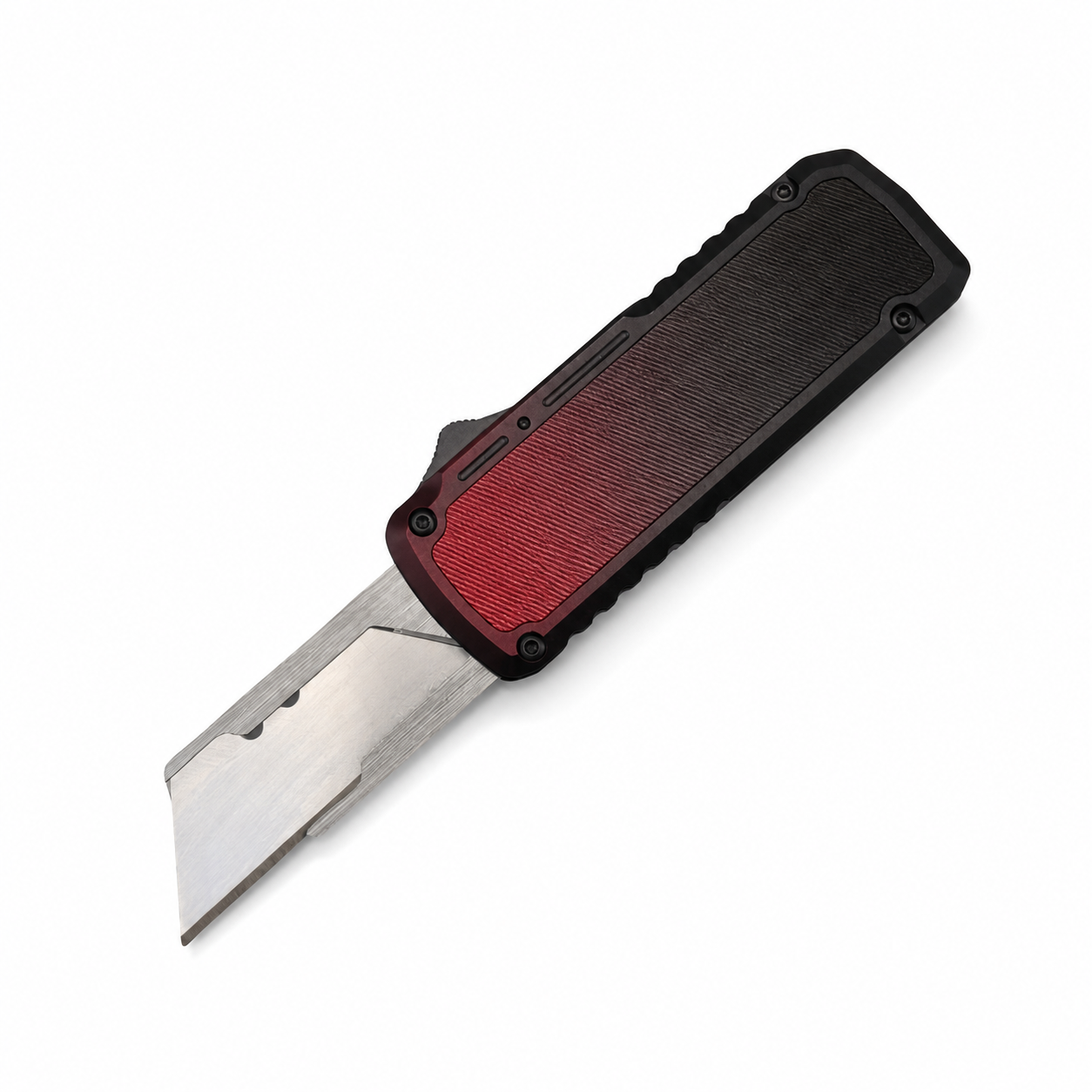
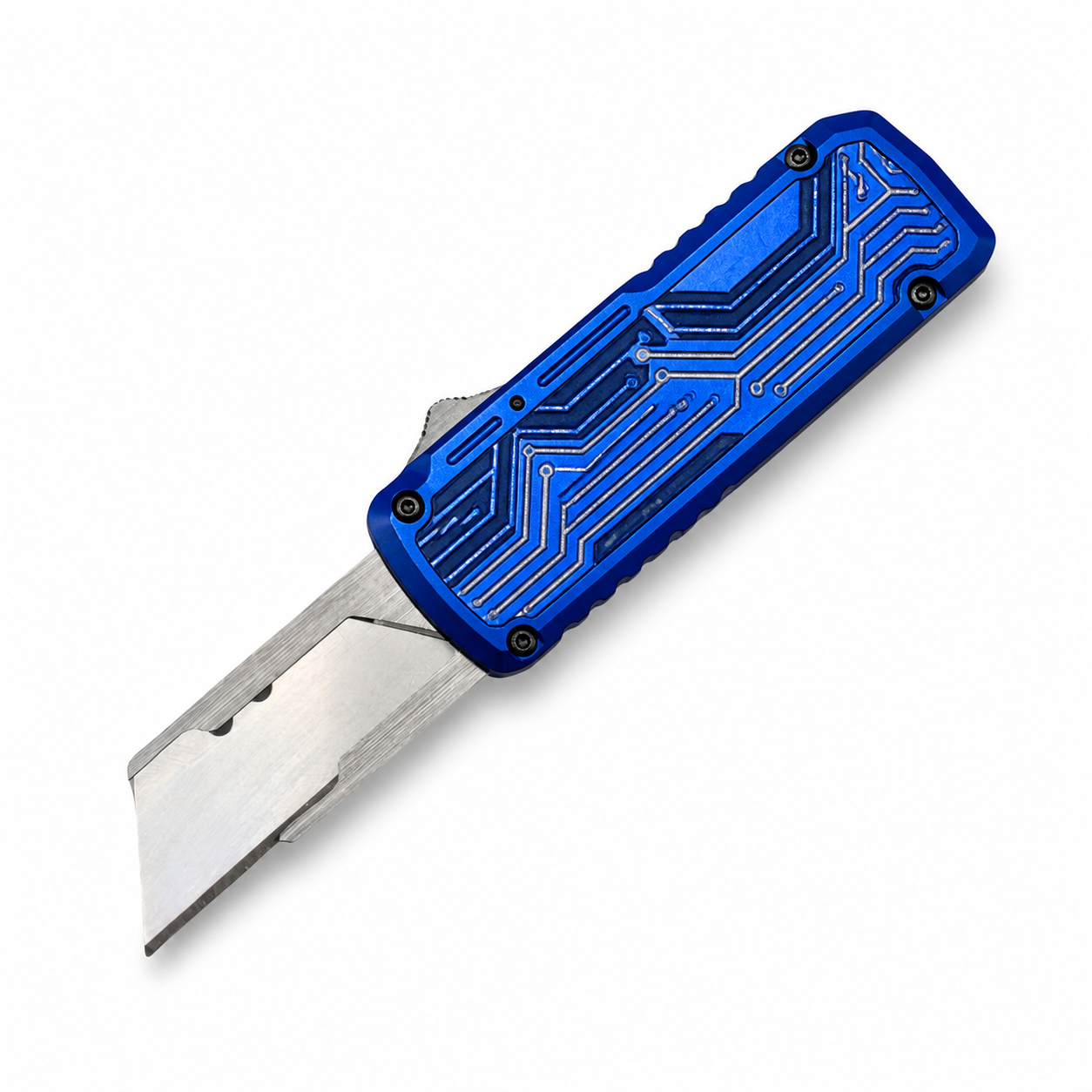
- Useful blade shape: A drop point is versatile. A utility-style tanto gives a strong tip and a straight edge section for clean draw cuts.
- Textured switch with firm travel: You want deliberate action, not a slippery or mushy slider.
- Reasonable blade play: Some movement is normal in OTF designs, but excessive side-to-side wiggle is a warning sign.
- Straight blade tracking: The blade should deploy centered and retract cleanly without rubbing the frame.
- Practical finish: Stonewashed or coated blades usually hide wear better than polished finishes.
- Secure pocket clip: For utility use, reliable retention matters more than flashy deep-carry styling.
How to tell if an OTF is actually utility-ready
Use this quick hands-on checklist before you trust an OTF for regular work:
- Fire and retract it several times. The switch should feel consistent, not gritty or vague.
- Check blade movement. A little play is normal; obvious looseness is not.
- Look down the handle and confirm the blade tracks straight.
- Test the clip on real pocket material, not just with your fingers.
- Examine the edge geometry. Thin enough to slice tape and wrap is better than thick and wedge-like.
- Look at the screws, seams, and finish. Uneven gaps and rough machining usually show up elsewhere too.
- Ask how the knife resets after a misfire. A practical OTF should recover easily.
That last point is important because one known failure mode in OTF knives is a misfire: the blade starts to deploy, meets resistance or loses momentum, and stops short of locking. On a decent utility model, the fix is straightforward—usually retracting the blade fully and cycling it again, or manually resetting it depending on the design. If reset is awkward or frequent, it is not a great work knife.
Maintenance matters more with OTFs
If you use an OTF for utility work, maintenance is part of the deal. This is not complicated, but it matters more than it does with a fixed blade.
- Keep the mechanism clean: Pocket lint is normal, but dust and grit should not build up.
- Use light lubrication only if recommended: Too much oil can attract debris.
- Wipe the blade after dirty cuts: Adhesive, wrap residue, and grime can affect performance over time.
- Do not force the knife through bad tasks: Side loading and twisting create wear much faster than normal slicing.
If your work environment constantly fills tools with fine dust or abrasive debris, that alone may be a reason to choose a fixed blade or replaceable utility knife instead.
Best-use and not-best-use answer
Best use: light-to-medium repetitive cutting where fast one-handed deployment and retraction are genuinely helpful.
Not best use: heavy-duty trade work, dirty jobsite conditions, prying, scraping, or any task that quickly destroys edges.
A short note for retailers and stock planners
If you stock OTF knives for utility-minded customers, practical models usually outperform purely aggressive-looking ones. Single-edge blades, moderate size, reliable switch feel, and clean machining are easier to recommend than oversized or decorative designs. For work-focused assortments, it also helps to pair OTFs with other cutting tools in broader utility-oriented selections rather than positioning them as the answer to every use case.
FAQ
Are OTF knives good for everyday utility use?
Yes, if the work is mostly opening boxes, cutting wrap, trimming cord, and other light-to-medium repetitive tasks. They are less suitable for hard-use trade work.
What is the best blade style for utility use on an OTF?
A single-edge blade is usually best. Drop points and utility-style tantos are the most practical for general cutting.
Are OTF knives better than regular folding knives for work?
Not always. OTFs are better for quick one-handed repeated cuts, while folders are often simpler, tougher under side pressure, and easier to live with in rough conditions.
What is the biggest drawback of an OTF for utility use?
The mechanism is more sensitive to dirt, side pressure, and misuse than a fixed blade or replaceable utility knife.
Can OTF knives be used on jobsites?
Sometimes, but they are usually better for cleaner, lighter work than for dusty, abrasive, or heavy-duty jobsites. Also check local laws and workplace rules, since automatic knives are regulated differently depending on location and employer policy.