




Can You Fly with a Pocket Knife? What Travelers and Buyers Should Know

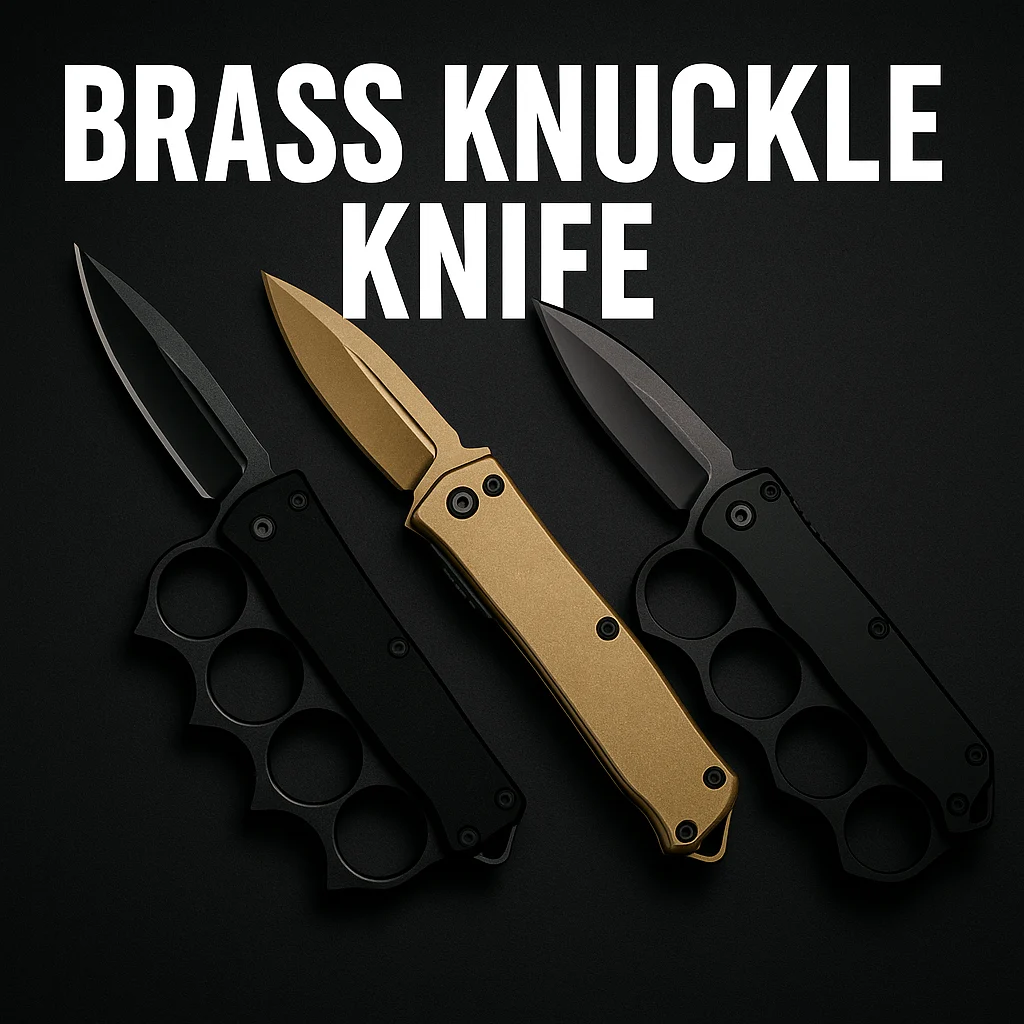
If you are wondering whether you can fly with a pocket knife, the safe answer is usually no for carry-on bags: most pocket knives are not allowed through airport security and should be packed in checked luggage instead. Rules can vary by country, airport, and airline, so travelers should always verify the latest local and transportation guidelines before flying.
For shoppers, retailers, and wholesale buyers, this matters because many customers still want compact folding knives for everyday carry, work use, camping, or utility tasks. The key is understanding where a folding knife fits into travel rules, how to store it properly, and which product features make a knife easier to sell to practical buyers.
Can you fly with a pocket knife in your carry-on?
In most cases, no. Airport security screening typically does not allow pocket knives in carry-on bags, even small ones. That includes common folding knives, multi-tools with blades, and compact utility knives. Security officers are focused on items that could be used as weapons in the cabin, so the blade itself is the main issue, not just the size of the handle.
If a traveler forgets and leaves a pocket knife in a backpack or jacket pocket, it may be confiscated, delayed, or cause the bag to be pulled aside for inspection. That is why frequent flyers often choose blade-free travel accessories or keep a separate everyday carry setup for non-travel days.
What about checked luggage?
Checked baggage is generally the safer place for a pocket knife when travel rules allow it. Even then, the knife should be packed responsibly so it cannot open or damage other items. A folding knife should be closed, secured, and placed in a sheath, pouch, or hard case if available. The goal is to prevent accidental opening during handling.
It is also smart to keep sharp items away from valuables, electronics, and loose clothing. A small zippered organizer or dedicated tool pouch can make a big difference. For retailers selling travel-conscious customers, this is a useful selling point: buyers often want compact knives that are easy to store safely when not in use.
Why travelers get confused about pocket knife rules
The confusion usually comes from the fact that not every blade-related item is treated the same way. Some tools are allowed, some are restricted, and some depend on blade length or local policy. A customer may assume that a tiny keychain knife or multi-tool is acceptable because it looks harmless, but airport screening is based on security rules, not appearance.
Another common issue is international travel. A knife that is legal to own at home may be restricted in another country, and rules may change at the airport checkpoint, on the plane, or at the destination. Anyone crossing borders should check the current regulations for both departure and arrival locations.
Practical examples
- A small folding knife in a carry-on backpack is likely to be stopped at security.
- A pocket knife packed in checked luggage may be acceptable if local rules permit it.
- A multi-tool with a blade can be treated the same as a knife.
- A knife purchased as a souvenir or gift still counts as a restricted item in the cabin.
How to pack a folding knife for travel the right way
If a knife is going in checked baggage, packing it carefully protects both the item and the rest of the luggage. A folding knife should be fully closed before packing. If it has a locking mechanism, that lock should be engaged only as designed by the manufacturer, not forced. A simple pouch, blade cover, or hard case is ideal.
Buyers who stock travel-friendly utility knives should look for models with secure closing action, smooth pocket clips, and sturdy construction. These features help customers feel more confident about daily use and storage. They also reduce the chance of damage in transit when the knife is carried as part of a tool kit or outdoor bag.
For wholesale customers, it is helpful to offer knives in packaging that clearly communicates the product’s intended use. Customers often appreciate straightforward labeling, especially when they are buying for hardware stores, outdoor shops, or general merchandise shelves.
What shoppers should look for in a pocket knife
Not every folding knife is equally suited to the same buyer. A traveler, a contractor, and a collector may all want different features. If you are stocking inventory for a store or online catalog, the best choice depends on how the knife will be used and where it will be carried.
- Blade size: Smaller blades may be more convenient for everyday tasks, though they are still not suitable for carry-on air travel.
- Locking system: A reliable lock adds confidence for everyday use and can be a major selling point.
- Handle material: G10, aluminum, stainless steel, and textured polymer each appeal to different buyers.
- Weight: Lightweight knives are easier to carry and often better for general utility use.
- Opening method: Thumb studs, flipper tabs, and nail nicks create different user experiences.
- Maintenance: Easy-to-clean blades and corrosion-resistant materials matter for outdoor and work customers.
If you are sourcing products for resale, browsing a focused selection like the folding knife wholesale category can make it easier to compare blade styles, handle options, and price points that fit your customer base.
Mistakes to avoid before heading to the airport
Many travelers run into trouble because they assume a knife is fine if it is small, folded, or tucked away in a side pocket. That is a common mistake. Another mistake is packing a knife in a carry-on and hoping it will pass unnoticed. Security screening is designed to catch restricted items, and delays are more likely than success.
It is also unwise to rely on old rules from a blog, forum, or social media post. Transportation policies can change, and some airports or countries apply stricter standards than others. Before traveling, check the current airport and airline guidance, and if you are crossing a border, verify the destination’s regulations as well.
For wholesale buyers, this is a reminder to educate customers with simple product notes or shelf tags. Clear guidance can reduce returns, complaints, and avoidable confusion.
How wholesale buyers can choose travel-conscious inventory
Retailers and distributors often do best with pocket knives that balance usefulness, durability, and broad appeal. Travel-related questions come up often, so inventory should be selected with practical buyers in mind. A strong assortment usually includes compact folding knives, lightweight everyday carry options, and models with clean, dependable construction.
When evaluating wholesale stock, consider whether the product is easy to explain at point of sale. Customers want to know what the knife is for, how it opens, how it closes, and how to store it safely. Products with consistent quality and straightforward features are often easier to move in both physical stores and online listings.
Bulk buyers may also want variety across finish, blade shape, and handle texture. That gives retail customers more options without overwhelming them. A balanced assortment can serve campers, tradespeople, gift buyers, and general utility shoppers better than a single style.
FAQ: flying with pocket knives
Can you bring a pocket knife on a plane?
Usually not in a carry-on bag. Most airport security rules prohibit pocket knives in the cabin. Check current local and airline guidance before traveling.
Can you pack a pocket knife in checked luggage?
In many cases, yes, but it should be packed securely and in line with the rules for your departure and destination. Use a pouch or case and keep it closed.
Do small folding knives count too?
Yes. Even small folding knives are commonly restricted in carry-on bags because the blade is still considered a prohibited item.
What if the knife is part of a multi-tool?
If the tool includes a blade, it is often treated like a knife and may not be allowed in the cabin.
Should I check the rules for international flights?
Absolutely. International travel can involve different laws, airport policies, and airline requirements. Always verify before you pack.
The bottom line for travelers and buyers
If you are asking whether you can fly with a pocket knife, the practical answer is that it should not go in your carry-on and may only be acceptable in checked luggage depending on the rules that apply. For travelers, the safest habit is to remove pocket knives from everyday bags before going to the airport. For shoppers and wholesale buyers, the best-selling folding knives are the ones that combine useful design, reliable construction, and clear everyday value.
Whether you are buying for personal use or stocking shelves for customers, a well-chosen folding knife should be easy to carry, easy to store, and easy to explain. That is what makes it a dependable product in a market where practical details matter.