

How to Make a Folding Knife: A Practical Guide for Buyers and Makers

Short answer
Learn the basic parts, materials, and assembly steps behind a folding knife, plus buying tips, safety considerations, and common mistakes to avoid.
In this article
- 01 What a folding knife is made of
- 02 The basic process behind making a folding knife
- 03 1. Design the knife around intended use
- 04 2. Select materials that match the market
- 05 3. Cut and shape the blade and handle parts
- 06 4. Fit the pivot, washers, or bearings
- 07 5. Install the lock and tune blade tension
- 08 6. Finish, assemble, and test the knife
- 09 What makes one folding knife better than another
- 10 Common mistakes to avoid when making or sourcing folding knives
- 11 How wholesale buyers can evaluate folding knives
- 12 Safety and responsible ownership
- 13 FAQ about folding knife construction
- 14 Is it hard to make a folding knife?
- 15 What part affects the action most?
- 16 Which handle material is best?
- 17 What should wholesale buyers check first?
If you want to understand how to make a folding knife, the simplest answer is that it comes down to designing a handle, blade, pivot, and locking or non-locking mechanism that work together smoothly, safely, and consistently. A well-made folding knife is not just a blade that bends in half; it is a carefully fitted tool where tolerances, materials, and assembly quality determine how securely it opens, closes, and holds up in daily use.
What a folding knife is made of
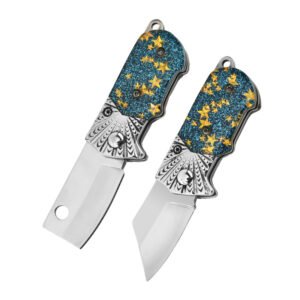
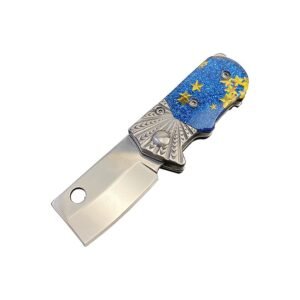
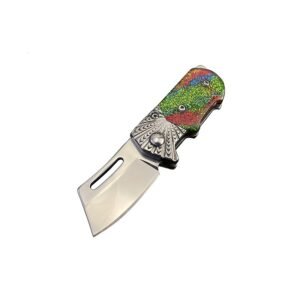
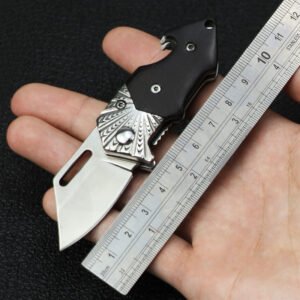
A folding knife usually has a blade that rotates around a pivot pin into a handle. The handle houses the blade when closed and may include liners, scales, a backspacer, a pocket clip, and a locking system. The most common components are:
- Blade: the cutting edge and main working part
- Handle scales: outer grip panels made from metal, G10, micarta, wood, or polymer
- Liners or frame: the structural support inside the handle
- Pivot assembly: the pin, washers or bearings, and hardware that let the blade swing open
- Lock: a liner lock, frame lock, lockback, button lock, or slipjoint system
- Stop pin and detent system: parts that control blade movement and closed retention
For shoppers and wholesale buyers, these details matter because they affect comfort, durability, and the customer’s first impression. A folding knife that opens smoothly and closes cleanly tends to earn better reviews and fewer returns.
The basic process behind making a folding knife
At a high level, making a folding knife involves shaping the blade, building the handle, drilling and aligning the pivot and hardware, and then tuning the action so the knife opens and closes properly. The exact method depends on the design, but the sequence is usually similar.
1. Design the knife around intended use
Before any metal is cut, the maker decides what the knife is for. A compact everyday carry knife needs different dimensions than a heavy-duty utility folder. Important design choices include blade length, handle size, lock type, opening method, and carry style. For example, a slim assisted-opening knife may appeal to retail customers looking for convenience, while a stout frame lock may suit buyers who want a more rugged feel.
2. Select materials that match the market
Material choice affects both performance and price point. Common blade steels include stainless options for corrosion resistance and tool steels for toughness and edge retention. Handle materials can range from budget-friendly polymers to premium carbon fiber or titanium. Wholesale buyers often compare these materials carefully because they influence margin, durability, and perceived value.
If you are sourcing inventory, the product page should clearly explain the build. A customer who understands why one folder costs more than another is more likely to buy with confidence. You can browse a range of options in the folding knife wholesale category when comparing styles and price tiers.
3. Cut and shape the blade and handle parts
The blade blank is cut to shape and then ground to create the edge geometry. The handle components are also cut or machined to match the blade profile and internal hardware. Precision is important here because even a small mismatch can affect how the knife centers when closed or how securely it locks open.
In practical terms, a good folder depends on clean alignment. If the pivot hole is off by even a little, the blade may rub, sit crooked, or feel gritty. That is one reason buyers should pay attention to fit and finish rather than only the steel type listed on the package.
4. Fit the pivot, washers, or bearings
The pivot is the heart of the folding action. Traditional washers can offer a smooth, durable feel, while bearing systems often create a faster, lighter opening action. Neither is automatically better; the right choice depends on the knife’s purpose and price point. For mass-market and wholesale inventory, buyers should consider whether the action feels consistent across multiple units, since that consistency affects customer satisfaction.
5. Install the lock and tune blade tension
The lock keeps the blade open during use. A liner lock uses a spring-like liner that moves behind the blade tang. A frame lock uses part of the handle frame itself. Lockbacks and slipjoints work differently and are common in certain traditional or regional styles. Whatever the system, the lock must engage securely without being overly stiff.
One common mistake is over-tightening the pivot in an attempt to remove blade play. That can make the knife hard to open and may cause uneven wear. Another mistake is leaving the blade too loose, which can create wobble. The best folders feel controlled, not sloppy and not overly rigid.
6. Finish, assemble, and test the knife
Once the parts are fitted, the knife is cleaned, finished, and assembled with attention to screw torque, centering, and smooth movement. Makers typically check that the blade opens and closes without scraping, the lock engages reliably, and the handle feels comfortable in hand. A final inspection should also confirm that the edge is consistent and that the hardware is secure.
What makes one folding knife better than another
For buyers, the most important question is not just how to make a folding knife, but how to tell whether one is built well. The best indicators are usually practical:
- Blade centering: the blade should sit evenly in the handle when closed
- Lockup: the lock should engage confidently without excessive play
- Action: opening should feel smooth and controlled
- Ergonomics: the handle should fit the hand without sharp pressure points
- Finish quality: edges, hardware, and surface finish should look clean and consistent
- Practical carry: clip placement, weight, and profile should suit the intended user
Retail customers often notice the action first, while distributors and store buyers are more likely to focus on defect rates, warranty issues, and how the product photographs online. Both perspectives matter.
Common mistakes to avoid when making or sourcing folding knives
Whether you are a maker, a reseller, or a wholesale buyer, a few problems show up again and again:
- Poor alignment: blades that rub the liners or sit off-center
- Weak hardware: screws or pivots that loosen too easily
- Overcomplicated designs: features that look good but add failure points
- Uncomfortable handles: sharp edges, hot spots, or awkward grip shapes
- Inconsistent finish: uneven grinds, rough detents, or sloppy assembly
- Ignoring local rules: laws on carry, blade length, and locking mechanisms vary by location
For general information only, always verify local laws and retailer policies before stocking or carrying a folding knife product line.
How wholesale buyers can evaluate folding knives
If you are buying for a store, online shop, or distribution channel, a folding knife should be judged on more than appearance. Look at sample units and ask practical questions: Does the action stay consistent across multiple pieces? Are the materials clearly described? Is the packaging suitable for retail display? Are there enough style options to cover entry-level and mid-range customers?
It also helps to think in categories. Some buyers need compact utility folders for everyday tasks, while others want premium-looking pieces with upgraded materials. A balanced catalog can reduce inventory risk because different customers respond to different price points and designs. If you are expanding your assortment, starting with a broad selection from the folding knife wholesale category can help you compare handle styles, blade shapes, and opening systems side by side.
Safety and responsible ownership
Folding knives should be handled and stored responsibly. Keep the blade closed when not in use, store knives out of reach of children, and make sure users understand the locking mechanism before carrying or using the knife. A knife that is easy to open should still be treated with care, since smooth action does not reduce the need for safe handling.
For sellers, clear product descriptions and basic safety guidance can prevent misunderstandings and improve customer trust. Buyers appreciate straightforward information about intended use, maintenance, and local compliance.
FAQ about folding knife construction
Is it hard to make a folding knife?
Yes, compared with a fixed blade, a folding knife is more complex because the blade must move smoothly while still locking or staying securely in place. Precision matters at every step.
What part affects the action most?
The pivot system, washers or bearings, and the accuracy of the fit all play major roles. The lock and detent also influence how the blade opens and closes.
Which handle material is best?
There is no single best option. Metal handles feel sturdy, composite materials can be lighter and grippier, and premium materials can improve appearance and perceived value. The right choice depends on the target customer and price point.
What should wholesale buyers check first?
Start with fit, finish, action consistency, lock security, and whether the design matches your customers’ needs. A knife that looks good but feels rough in hand may underperform in the market.
Understanding how to make a folding knife gives you a better eye for quality, whether you are comparing products for a retail shelf or building a wholesale assortment. The best folders combine reliable mechanics, comfortable design, and materials that fit the intended price range. When those parts work together, the result is a knife customers can trust and return to again and again.