




Para Force Folding Knife: What Buyers Should Know Before Choosing One

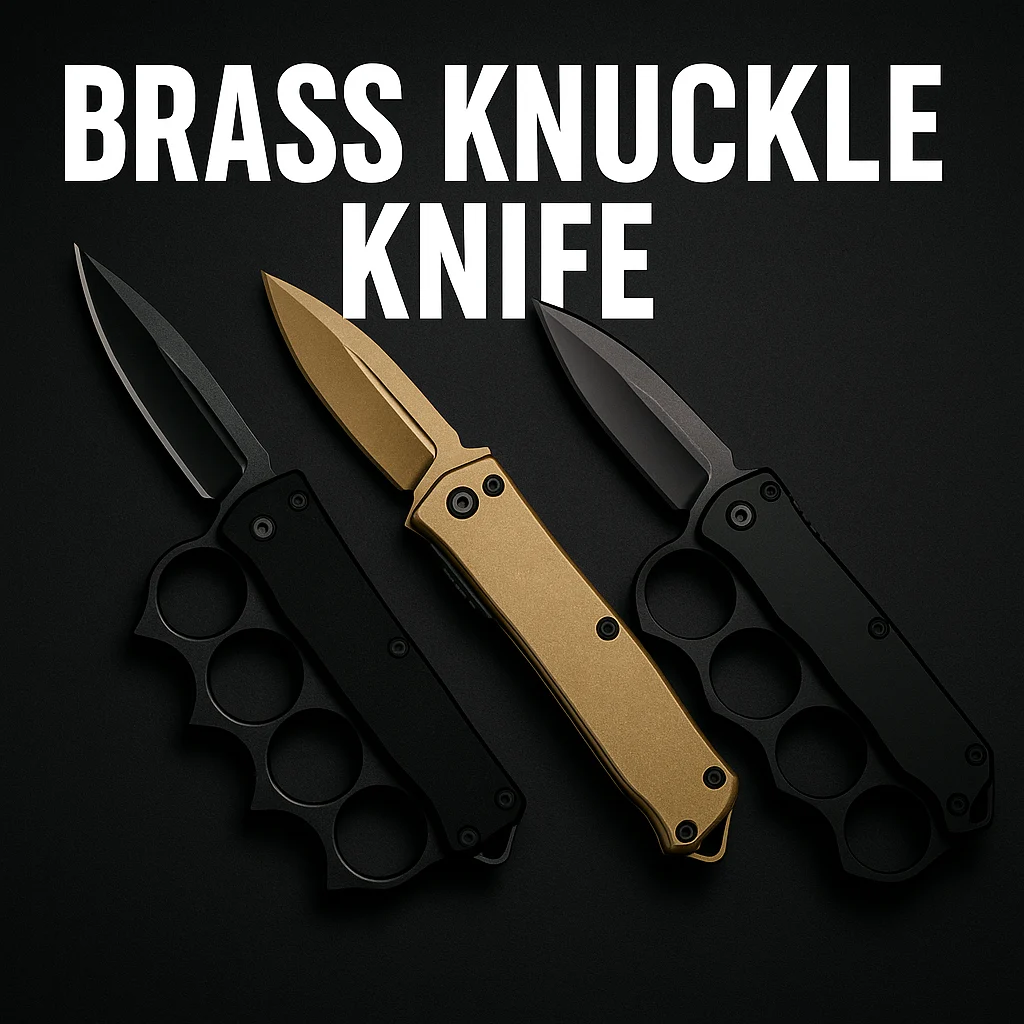
If you are evaluating a para force folding knife, the most important things to check are blade steel, lock strength, opening action, handle comfort, and whether the knife fits your customer’s everyday carry needs. For retail shoppers and wholesale buyers alike, a good para force folding knife should feel secure in the hand, open smoothly, and hold up to regular use without feeling overly heavy or flimsy.
What a para force folding knife is usually expected to deliver
When shoppers look for a para force folding knife, they are often looking for a practical folder that balances portability with dependable performance. In most cases, that means a knife that is compact enough for pocket carry, durable enough for daily cutting tasks, and designed with a straightforward, tactical-inspired profile that appeals to a wide range of buyers.
For stores and resellers, this style of knife tends to attract customers who want something versatile rather than overly specialized. It can fit into outdoor, utility, work, and general carry categories, which makes it useful as a shelf item or online listing with broad appeal.
Key features that matter most
Not every folding knife is built the same, and the details make a big difference in customer satisfaction. When comparing options, focus on the features below.
Blade steel and edge retention
Blade steel affects how long the edge lasts, how easy the knife is to sharpen, and how well it handles daily wear. Buyers do not always need the highest-end steel, but they do need a blade that matches the intended use. For example, a customer using the knife for light packaging and general utility may prefer easy maintenance, while a more demanding user may want better corrosion resistance and longer edge life.
Wholesale buyers should look for consistent steel specifications from the supplier. If you are stocking multiple units, uniformity matters because customers notice differences in finish, sharpness, and performance.
Locking mechanism and confidence in hand
A folding knife should feel stable when open. The lock is one of the most important parts of the design because it helps keep the blade in place during use. Buyers often ask whether the lock feels solid, whether there is blade play, and whether the knife closes smoothly without sticking.
For retail display, it helps to choose models that present a clear, reassuring lockup. Customers frequently judge a knife in the first few seconds, so a reliable-feeling action can improve conversion and reduce returns.
Handle material and grip
The handle should offer a comfortable hold without becoming slippery. Textured aluminum, G10, reinforced polymer, and similar materials are common choices because they can provide good grip while keeping the knife manageable in weight. A handle that is too smooth may look attractive but feel less secure in real use.
Think about who is buying the knife. Outdoor customers may want a more aggressive texture, while casual EDC buyers may prefer a smoother carry feel. A para force folding knife with a balanced handle design can work well for both groups if it avoids extremes.
Opening method and everyday convenience
Some buyers want fast one-handed opening, while others care more about simple, controlled deployment. Thumb studs, flipper tabs, and assisted-opening designs can all change the user experience. The best choice depends on your market and local regulations, which can vary by region. It is always smart to remind customers to verify local rules before carrying or purchasing any knife.
From a merchandising perspective, easy opening can be a strong selling point, but smooth action should not come at the expense of safety or durability.
How to judge value beyond the price tag
A low price does not always mean a good deal, and a higher price does not always mean better performance. For a para force folding knife, value comes from the combination of materials, fit and finish, and consistency. A knife that looks good but arrives with poor blade centering or weak lockup can create more problems than it solves.
Here are practical signs of stronger value:
- Clean blade finish with no obvious rough spots
- Even handle construction and secure hardware
- Predictable opening and closing action
- Comfortable pocket carry size
- Features that match the intended customer base
For wholesale buyers, value also includes packaging quality, order consistency, and supplier reliability. If you are building a catalog or restocking shelves, those factors can matter as much as the knife itself.
Common mistakes buyers make
Many customers choose a folding knife based on appearance alone. That often leads to disappointment. A knife may look aggressive or premium, but if the lock feels loose or the handle is uncomfortable, it will not earn repeat business.
Another common mistake is buying a knife that is too large or too heavy for everyday carry. Some shoppers want a substantial feel, but many end users prefer something that disappears into a pocket and is easy to use throughout the day.
Wholesale buyers also sometimes overorder a single style without testing how it performs with their actual customer base. A better approach is to sample a few options, compare feedback, and then expand the best-performing models.
What retailers and distributors should look for in bulk sourcing
If you are sourcing a para force folding knife for resale, consistency is just as important as design. Customers expect the same quality from one unit to the next. Before placing a larger order, check for repeatable blade alignment, reliable lock engagement, and a finish that looks clean across multiple samples.
It is also worth considering how the product will be presented online or in-store. Clear product descriptions, good photos, and accurate specs reduce confusion and help customers choose the right knife. If you want to compare similar products across a broader selection, you can browse the folding knife wholesale category for more options.
For B2B buyers, the most useful supplier qualities often include:
- Stable inventory for repeat orders
- Clear product specifications
- Reasonable minimum order expectations
- Responsive communication about variations
- Packaging suitable for retail display or shipping
Safety, storage, and responsible ownership
Any folding knife should be stored responsibly and kept out of reach of children. Customers should use a knife only for lawful, appropriate tasks and follow local rules for carry, transport, and ownership. Because regulations can differ by city, state, and country, buyers should verify local laws before carrying a knife in public.
Retailers can help by including simple care guidance. A clean blade, a dry pivot, and proper storage can extend the life of the knife and improve the customer experience. Even a budget-friendly folder can feel much better if it is maintained properly.
Practical FAQ about para force folding knives
Is a para force folding knife good for everyday carry?
It can be, depending on the size, weight, and opening style. Many buyers want a folder that is easy to pocket and quick to deploy for routine cutting tasks. The best choice depends on how the knife will be used and what local rules apply.
What should I check before buying in bulk?
Inspect blade centering, lockup, handle finish, and action consistency across several samples. If you are buying for resale, also consider packaging quality and whether the model fits your customer base.
Does handle material really matter?
Yes. Handle material affects grip, comfort, durability, and weight. A good handle can make a knife feel more secure and more premium, even when the blade size is modest.
How do I reduce returns on folding knives?
Use accurate product descriptions, show clear photos, and avoid overstating performance. Customers are less likely to return a knife when they know its size, features, and intended use before ordering.
What is the best way to choose between similar models?
Compare the lock feel, carry comfort, steel type, and overall fit and finish. In many cases, the best seller is not the most aggressive-looking model but the one that feels dependable and practical in the hand.
Final buying advice
The best para force folding knife is the one that matches the buyer’s real needs: solid construction, comfortable carry, dependable lockup, and a price that makes sense for the intended use. Retail shoppers should focus on comfort and everyday practicality, while wholesale buyers should pay close attention to consistency, packaging, and customer appeal. When those pieces line up, the knife is much more likely to satisfy both the end user and the seller.