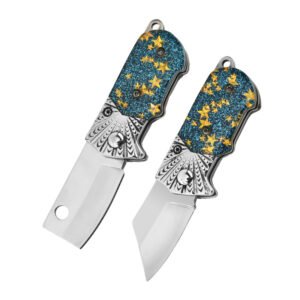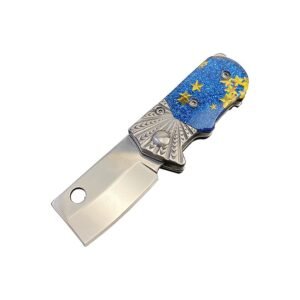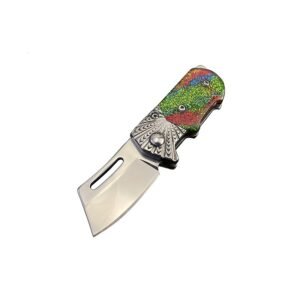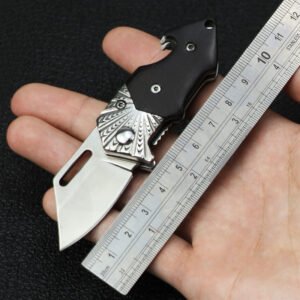


Are OTF Box Cutters Good Sellers?


Short answer
Yes, OTF box cutters can be strong sellers when they use common utility blades, clear compatibility wording, and safe everyday-carry positioning. Learn what fit
Key Takeaways
- Knife rules can vary by state, city, blade style, opening mechanism, carry method, and intended use.
- Do not treat a product nickname as a legal category; check the actual features and local rule.
- Retailers should keep legal or safety language factual and avoid promising that one item is allowed everywhere.
Terms Used Here
- OTF
- Out-the-front; a knife design where the blade moves forward from the front of the handle.
- EDC
- Everyday carry; gear intended for regular daily tasks.
In this article
- 01 Why some OTF box cutters move fast
- 02 Where buyers get it right and wrong
- 03 Standard-compatible versus proprietary
- 04 Standard-compatible OTF box cutters
- 05 Proprietary or semi-proprietary OTF box cutters
- 06 Buyer checklist before placing a wholesale order
- 07 How to verify on the knife or package
- 08 What actually sells: practical specs, not vague novelty
- 09 Short answers buyers ask before they reorder
- 10 Are OTF box cutters better sellers than regular OTF knives?
- 11 What blade type is safest for broad retail?
- 12 Can hook blades fit?
- 13 Will snap-off utility blades fit?
- 14 So, are OTF box cutters good sellers?
Yes, OTF box cutters can be good sellers, especially when they are built around replaceable utility blades and marketed as practical work tools rather than novelty knives. For wholesale buyers, the best-selling versions are usually the ones that use familiar blade formats, have clear replacement-blade compatibility, and avoid confusing proprietary systems.
The qualifier is simple: they sell best in channels where customers already buy utility knives, EDC tools, or jobsite accessories, and they sell poorly when the blade format is unclear or replacement blades are hard to source.
Why some OTF box cutters move fast
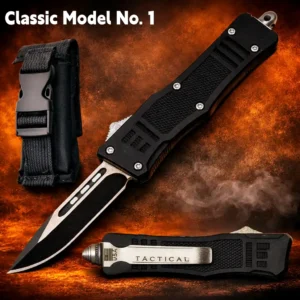
An OTF box cutter combines a familiar utility function with the quick one-handed deployment that makes OTF products distinctive. That gives it a wider audience than many double-edge dagger OTF knives. A warehouse worker, delivery driver, contractor, maintenance tech, or retail stockroom employee may not want a tactical profile, but may still buy an OTF-style cutter that accepts standard utility blades.
In wholesale terms, that matters because repeat sales often come from practical replacement demand, not just impulse buying. A customer who uses a box cutter daily is easier to retain than a customer who buys a novelty piece once.
Strong sellers usually share a few traits:
- They use common utility blades, such as standard trapezoid utility blades often described by makers as “Stanley 11-921 style” or “61 x 19 mm utility blade compatible.”
- They state compatibility clearly on the package, product page, or manual.
- They look like tools, with practical finishes, pocket clips, and simple handles rather than aggressive fantasy styling.
- They are easy to reload without special screws, tiny springs, or brand-only blade packs.
If you want to review current market-ready styles, the OTF knife catalog is the right place to compare formats and positioning.
Where buyers get it right and wrong
The biggest mistake is assuming all OTF box cutters are interchangeable because they all use “utility blades.” They are not. Some accept standard trapezoid blades, some accept hook blades, some may fit certain snap-off segments only with a special carriage, and some use a proprietary short blade blank that looks familiar but is not a true hardware-store replacement.
That difference affects returns, customer satisfaction, and reorder rates.
Good wholesale fit: stores selling work knives, tool accessories, hardware-adjacent EDC, warehouse supplies, or practical pocket tools. These buyers can explain blade replacement and often already stock utility blades.
May fit: tactical retailers, souvenir stores in work-heavy regions, farm and ranch supply, and private-label programs aimed at tradespeople. These channels can work if the product is presented as a cutting tool first.
Will not fit well: sellers whose customers expect premium knife steel language, collectors focused on traditional OTF blade grinds, or retailers unwilling to handle compatibility questions. A utility-blade OTF is not a substitute for a premium M390 or D2 OTF knife, and customers should not be led to think it is.
Another common mistake is overbuying unusual formats. If the knife requires a house-brand blade pack, sales may start strong and then stall once users realize replacements are inconvenient. In contrast, “uses standard utility blades” is a simple selling sentence that reduces friction immediately.
Standard-compatible versus proprietary
This is the comparison that matters most in the real world.
Standard-compatible OTF box cutters
- Accept common trapezoid utility blades sold in hardware stores.
- Often use wording like “fits standard utility blades” or “compatible with Stanley-type utility blades.”
- Usually easier for retailers to explain and easier for end users to maintain.
- Better for repeat purchase confidence because replacements are widely available.
Best for: broad retail, wholesale distribution, workwear stores, hardware-adjacent accounts, and private-label programs aimed at everyday use.
Proprietary or semi-proprietary OTF box cutters
- Use a custom blade carriage, shortened blade blank, or unique retention notch.
- May fit only the maker’s replacement blades, or only certain third-party blades after modification.
- Create more pre-sale questions and more post-sale frustration.
- Can still work if the design is unusually strong or visually distinctive, but they are harder to scale.
Best for: niche specialty accounts that can support replacement-blade sales directly.
In plain terms: standard-compatible models usually sell to more people, while proprietary models usually need stronger brand pull to justify the extra hassle.
Buyer checklist before placing a wholesale order
Use this short checklist before you commit.
- Check the exact blade type. Confirm whether it fits standard trapezoid utility blades, hook blades, snap-off segments, or only a maker-specific blade. If the supplier cannot answer in one sentence, treat that as a warning sign.
- Check the loading system. Ask whether the user can replace the blade without special tools, loose internal parts, or awkward disassembly. Fast, obvious replacement helps reduce returns.
- Check the safety and lock behavior. Verify whether the OTF action has a positive lock, a safety slider, or manufacturer wording such as “double-action out-the-front” with a utility-blade holder. Utility users care about secure extension more than novelty action.
- Check replacement availability in your market. If local hardware stores already stock compatible blades, the product is easier to sell. If customers must order a special refill pack, expect slower repeat demand.
- Check channel fit. If your buyers are tradespeople or EDC users who open boxes daily, it fits. If your buyers mainly collect premium blade steels and named grinds like tanto or drop point, this may not match their expectations.
How to verify on the knife or package
Do not rely on broad catalog wording alone. Verify compatibility on the physical item, package, or manual.
- Markings: Look for phrases such as “uses standard utility blades,” “fits trapezoid blades,” or “compatible with Stanley 11-921 type blades.”
- Slot pattern: A standard trapezoid blade usually has the familiar center slot and notch pattern seen on common hardware-store blades. If the blade blank is shorter, narrower, or has a unique cutout, it may be proprietary.
- Carriage: Open the blade holder and inspect how the blade seats. A simple clamp or screw plate that matches a standard trapezoid profile is a good sign. A custom carriage with unusual tabs may limit compatibility.
- Manual: A proper manual should name the blade type, not just say “replaceable blade.” If it names only the brand’s own refill SKU and nothing else, assume compatibility is restricted unless confirmed.
This verification step is especially important for private-label buyers. If you are planning a custom run, make sure the package names the blade standard clearly. That one line can prevent a large share of customer service issues.
What actually sells: practical specs, not vague novelty
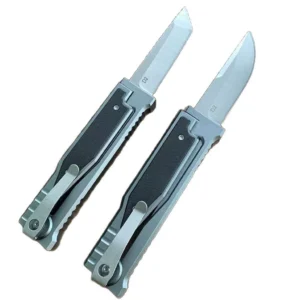
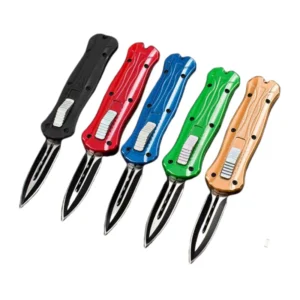
The best-selling OTF box cutters are usually compact, pocketable, and easy to understand at a glance. Buyers tend to respond to practical details: aluminum or zinc-alloy handle, secure clip, simple slider, standard utility blade fit, and a clear replacement method.
They usually do not sell best on premium steel claims, because the cutting edge is a replaceable utility blade. In other words, the value is in the mechanism, carry format, and convenience, not in a permanent blade steel story.
A few examples of wording that helps move product:
- Good wording: “Double-action OTF utility knife using standard trapezoid utility blades.”
- Good wording: “Replaceable box-cutter blade, hardware-store compatible, tool-free change.”
- Weak wording: “OTF razor knife” with no blade-format details.
- Risky wording: “Universal blade fit” unless you have physically tested it across multiple brands.
For distributors and resellers, the cleanest path is to stock models that can be explained in ten seconds at the counter. If the product needs a long compatibility disclaimer, it is usually not your easiest seller.
That is also why OTF box cutters often outperform more aggressive OTF knife styles in practical retail settings. They are easier to justify as an everyday tool, easier to gift, and easier to reorder.
If you are sourcing for volume, use the product mix to your advantage: pair a standard-compatible utility-blade OTF with a few more style-driven models, rather than building the whole assortment around niche blade systems. For bulk pricing, labeling, or private-label planning, use the wholesale inquiry form to confirm blade compatibility, package wording, and replacement support before you place a larger order.
Short answers buyers ask before they reorder
Are OTF box cutters better sellers than regular OTF knives?
Often yes in work-oriented channels, because they solve a daily cutting task and use replaceable blades. In collector-focused channels, regular OTF knives may still be stronger.
What blade type is safest for broad retail?
Standard trapezoid utility blade compatibility is usually the safest choice. It is familiar, easy to replace, and widely available.
Can hook blades fit?
Some models may fit hook blades if the holder matches the same utility-blade pattern, but not all do. Verify on the carriage, package, or manual before making that claim.
Will snap-off utility blades fit?
Usually not unless the knife is specifically designed for segmented snap-off blades. Most OTF box cutters are built around trapezoid utility blades, not long segmented strips.
So, are OTF box cutters good sellers?
Yes. They are good sellers when they use common replacement blades, have clear compatibility wording, and are positioned as practical cutting tools. They are weaker sellers when the blade system is proprietary, unclear, or hard for retailers to explain.