

Can You Put a Pocket Knife in Checked Luggage?

Short answer
Learn whether you can put a pocket knife in checked luggage, how to pack it safely, what to avoid, and what buyers should know when choosing folding knives for
In this article
- 01 What travelers need to know before packing a pocket knife
- 02 How to pack a folding knife in checked baggage
- 03 Why pocket knives are treated differently from carry-on items
- 04 Common mistakes people make when traveling with a pocket knife
- 05 What kind of folding knife is easiest to travel with
- 06 Useful features to look for
- 07 Travel rules can change by location
- 08 How wholesale buyers can think about knife selection for travel-conscious customers
- 09 Practical checklist before you fly
- 10 FAQ: pocket knives and checked luggage
- 11 Can you put a pocket knife in checked luggage on most flights?
- 12 Can a pocket knife go in a carry-on bag?
- 13 Should the knife be sheathed or wrapped?
- 14 Are all folding knives treated the same?
- 15 What should wholesale buyers tell customers?
- 16 The bottom line
Yes, in many places you can put a pocket knife in checked luggage, but you should still verify the airline’s rules and the laws at both your departure and arrival locations before you travel. A folding knife is generally treated very differently from carry-on items, and the safest approach is to keep it securely packed in your checked bag, with the blade fully closed and protected from accidental opening.
What travelers need to know before packing a pocket knife
For most domestic flights, pocket knives are not allowed in the cabin but may be allowed in checked baggage. That said, airline policies, airport security rules, and local laws can vary. A knife that is acceptable in one place may be restricted in another, especially if it has a locking blade, assisted opening mechanism, or a blade length that falls under a special local rule.
If you are traveling for work, outdoor use, retail buying, or distribution, it helps to think beyond the flight itself. You may also need to consider hotel policies, event rules, customs declarations, and any state, provincial, or country-specific restrictions. When in doubt, check official sources before you pack.
How to pack a folding knife in checked baggage
Good packing protects both the knife and the people handling your luggage. A pocket knife should be stored so it cannot open during transit and so the blade cannot cut through soft items in the bag.
- Close the blade fully and make sure the lock is engaged if the knife has one.
- Use a sheath, pouch, or blade guard to reduce the chance of damage or injury.
- Wrap the knife securely in clothing or place it in a hard-sided case inside the suitcase.
- Keep it away from loose items such as chargers, toiletries, or tools that could press on the blade.
- Place it deep in the checked bag so it is not easy to grab when the suitcase is opened.
If you are packing multiple knives for a trade show, retail order, or sample shipment, organize them individually. That makes inspection easier and helps prevent scratches, corrosion, and accidental deployment.
Why pocket knives are treated differently from carry-on items
Air travel rules usually distinguish between sharp objects in the cabin and sharp objects in checked baggage. In the cabin, even a small folding knife is often prohibited because it can be used to cut seat belts, bags, or other materials. In checked luggage, the risk is lower because passengers do not have access to the bag during the flight.
Still, “allowed in checked baggage” does not mean “allowed everywhere without conditions.” Some jurisdictions restrict certain blade styles, blade lengths, or knife features. A knife that is legal for general ownership may still be subject to transport rules, import rules, or local possession limits. Responsible travelers and buyers should verify the exact rules for their route.
Common mistakes people make when traveling with a pocket knife
Many travel problems happen because the knife was packed carelessly or because someone assumed all folding knives are treated the same. These are a few mistakes to avoid:
- Leaving the knife loose in a suitcase, where it can shift and open partially.
- Forgetting local laws at the destination, especially when crossing borders.
- Packing a knife in a carry-on by accident after moving items between bags.
- Using a damaged sheath or weak pouch that does not fully protect the blade.
- Assuming every knife is acceptable, including spring-assisted or locking models that may be restricted in some places.
For business travelers and wholesale customers, these mistakes can create delays, confiscations, or customer complaints. A simple pre-trip checklist saves time and avoids unnecessary loss.
What kind of folding knife is easiest to travel with
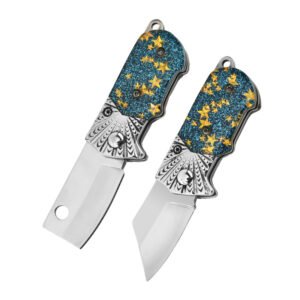
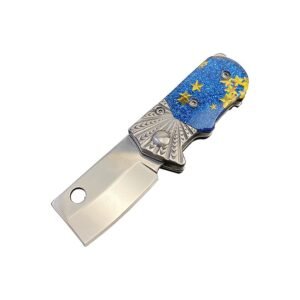
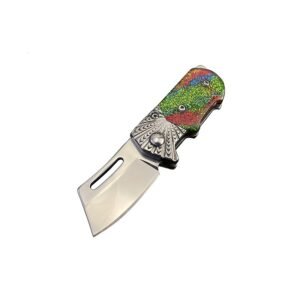
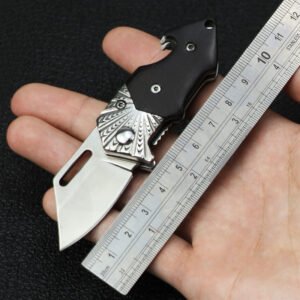
If you are choosing pocket knives for personal use, retail shelves, or wholesale inventory, travel-friendliness is worth considering. Buyers often look for models that are compact, durable, and easy to secure in luggage.
Useful features to look for
- Compact closed length for easier storage.
- Secure locking mechanism to prevent accidental closing or opening during handling.
- Smooth, dependable construction with solid pivot action and minimal blade play.
- Corrosion-resistant materials if the knife may sit in luggage for long periods.
- Protective packaging or sheath options for safer transport.
For wholesale buyers, these features can influence return rates and customer satisfaction. Retail shoppers often appreciate a knife that feels sturdy without being bulky, while distributors may prefer models that are easy to merchandise and ship in consistent packaging.
If you are sourcing inventory, browse the folding knife wholesale category to compare styles that fit different customer needs, from everyday carry options to utility-focused designs.
Travel rules can change by location
One of the most important things to remember is that knife rules are not identical everywhere. A pocket knife may be fine in checked luggage for one flight and problematic in another location due to local law or carrier policy. International travel adds another layer of complexity, because customs rules may affect what you can bring in or out of a country.
Before traveling, check:
- the airline’s baggage policy
- the airport or transportation authority guidance
- the laws of your destination
- any rules for connecting flights or border crossings
For store buyers and resellers, this also matters when customers ask whether a product is suitable for travel. Clear product descriptions and responsible guidance help set expectations and reduce confusion.
How wholesale buyers can think about knife selection for travel-conscious customers
Wholesale customers often need products that appeal to practical buyers: people who carry a knife for utility, camping, work, or everyday convenience. Some customers specifically ask for folding knives that are easier to store safely in luggage or gear bags. That does not mean every travel-oriented customer wants the same design, but it does mean packaging, blade size, locking style, and overall portability matter.
When evaluating inventory, consider how the knife will be presented and stored. A clean, secure presentation helps retail staff explain the product responsibly. In addition, buyers should think about margin, durability, and how well the item fits the habits of their customer base. A compact folder with a reliable lock and simple maintenance needs may appeal to a broader audience than a more specialized design.
Practical checklist before you fly
- Confirm the rules for your airline and destination.
- Make sure the knife is fully closed and protected.
- Pack it only in checked luggage, never in carry-on baggage.
- Keep it separated from loose items that could damage the blade.
- Double-check your bag before leaving for the airport.
- Review local laws if you are crossing state or national borders.
If you are traveling with multiple knives for business, inventory transfer, or sample review, label and organize them carefully. That makes inspection simpler and helps you account for each piece after transit.
FAQ: pocket knives and checked luggage
Can you put a pocket knife in checked luggage on most flights?
Often yes, but it depends on the airline, airport rules, and local laws. Always verify before you travel.
Can a pocket knife go in a carry-on bag?
In many places, no. Folding knives are commonly prohibited in the cabin, even if they are small.
Should the knife be sheathed or wrapped?
Yes. A sheath, pouch, or protective wrap helps prevent accidental opening and protects the blade during transport.
Are all folding knives treated the same?
No. Blade length, locking mechanisms, assisted opening features, and local regulations can all affect whether a knife is allowed.
What should wholesale buyers tell customers?
Keep it simple: many pocket knives may be checked in luggage, but travelers should verify rules for their specific route and destination. Encourage safe packing and responsible ownership.
The bottom line
In many cases, you can put a pocket knife in checked luggage if it is packed safely and the rules for your route allow it. The key is not to assume that every knife, airline, or destination follows the same standard. Check the current guidance, pack the knife securely, and keep local laws in mind. For shoppers, that means smoother travel. For retailers, resellers, and distributors, it means offering products and advice that help customers make informed, responsible choices.