




What Is an EDC Knife? A Practical Guide for Buyers and Wholesale Customers

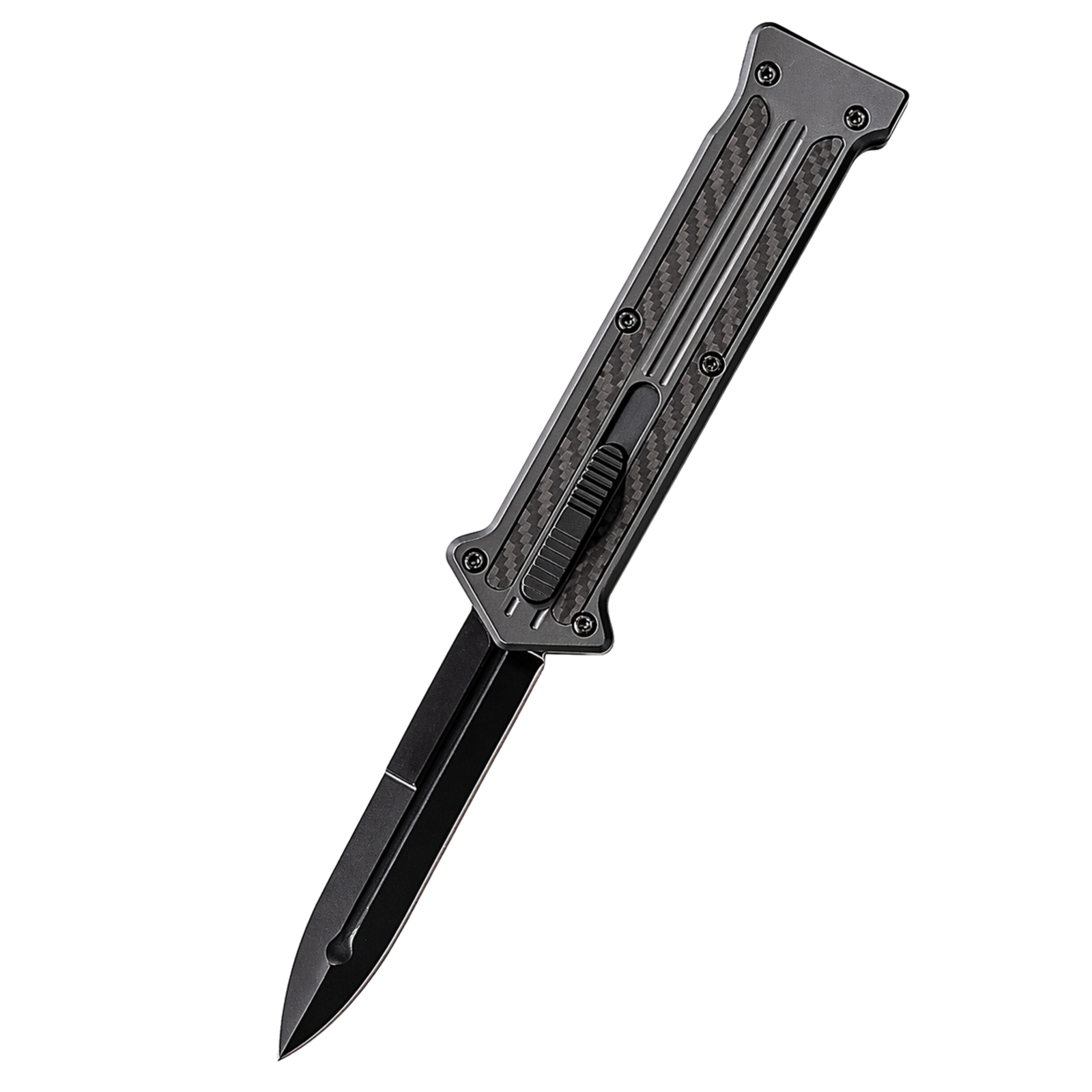
An EDC knife is an everyday carry knife: a compact blade people keep on hand for routine tasks like opening boxes, cutting cord, trimming packaging, or handling quick jobs around work, home, or the outdoors. In most cases, when shoppers ask what an EDC knife is, they are really asking which folding knife is practical, comfortable to carry, and legal in their area. The best answer is simple: an EDC knife is a reliable tool designed for frequent, everyday use rather than heavy-duty survival or tactical work.
What makes a knife an EDC knife?
An EDC knife is defined less by a strict shape and more by how it is used. It is usually compact enough for pocket carry, easy to open, and built for repeated light-to-medium cutting tasks. Many EDC models are folding knives because they are easier to carry discreetly and store safely than fixed blades.
Typical EDC knives balance four things: size, convenience, comfort, and durability. A shopper might want a blade that opens one-handed, locks securely, and disappears into a pocket without feeling bulky. Retail buyers and distributors often look for the same qualities because those features help a knife sell well across a wide range of customers.
EDC knife vs. other knife types
Not every folding knife is an EDC knife, and not every EDC knife is built the same way. A small gentleman’s folder may be stylish and pocket-friendly, while a larger work knife may be more rugged and grippy. Both can count as EDC depending on the buyer’s daily needs.
- EDC knife: Designed for everyday tasks and easy carry.
- Utility knife: Often optimized for disposable blades or jobsite use.
- Outdoor knife: May prioritize field tasks, food prep, or camp use.
- Tactical-style folder: Often larger and more aggressive in appearance, though not always ideal for daily pocket carry.
For wholesale customers, this distinction matters because store shelves usually perform best when they include a mix of practical, approachable EDC models rather than only niche or oversized designs. If you are building a selection, the folding knife wholesale category is a useful place to compare everyday carry options side by side.
Common features shoppers look for in an EDC knife
People buying an EDC knife usually care about more than blade shape alone. They want a knife that feels dependable in hand and easy to live with. Here are the features that matter most.
Blade size and profile
Many EDC knives fall into a practical middle range: large enough to handle daily cutting, but not so large that carry feels awkward. A drop-point or sheepsfoot-style blade is often popular because it offers control and versatility. A narrower blade may be better for detail work, while a broader blade may feel more robust for general tasks.
Opening method
Modern EDC knives may open with a thumb stud, flipper tab, nail nick, or assisted mechanism, depending on the design. Buyers often prefer an opening method that feels smooth and intuitive. For retail, easy operation can be a major selling point because first-time knife buyers usually want something simple.
Locking mechanism
A secure lock is a key part of everyday carry. Common folding knife locks include liner locks, frame locks, lockbacks, and button-style systems. The right choice depends on the design and intended market, but the important thing is that the knife closes safely and feels stable in use.
Handle material and grip
Handle materials can change the whole experience. G10, aluminum, stainless steel, FRN, and wood all create different feels and price points. A textured handle helps with grip, while a smoother finish may appeal to buyers who want a cleaner, more refined look. Wholesale buyers should think about how the handle material affects both comfort and shelf appeal.
Weight and pocket carry
An EDC knife should be easy to carry all day. If it feels too heavy, customers may leave it at home. If it feels too small or flimsy, it may not inspire confidence. The best-selling models often sit in a sweet spot where the knife feels substantial without becoming a burden.
Who uses an EDC knife?
EDC knives appeal to a wide audience because daily cutting tasks are universal. Office workers may use them for packages and mail. Tradespeople may use them for tape, straps, and material prep. Outdoor users may keep one on hand for camp chores. Even casual shoppers often appreciate having a dependable folding knife for home and travel-related tasks where local rules allow it.
For B2B buyers, this broad use case is important. A good EDC knife is not just a niche item; it is a repeat-use product with strong gift potential and broad customer appeal. That makes it a dependable category for retail stores, online resellers, and distributors looking for practical inventory with steady demand.
How to choose the right EDC knife
Choosing the right everyday carry knife depends on the customer’s lifestyle and the store’s target market. A few buying criteria make the decision easier.
- Match the knife to the task: Light office use, heavy package opening, outdoor carry, and general utility can each call for a different blade style.
- Check carry comfort: Pocket clip placement, handle shape, and overall weight affect whether the knife will actually be carried.
- Look at ease of maintenance: Stainless steels and simple designs are attractive to buyers who want low upkeep.
- Consider the finish: Some shoppers want a clean everyday look, while others prefer a rugged or tactical appearance.
- Think about price tier: Entry-level EDC knives work well for impulse buys, while premium models support higher-margin displays and gift purchases.
Wholesale sourcing works best when you build around these use cases instead of stocking only one style. A balanced assortment can include compact budget folders, mid-range work knives, and a few upgraded models with better materials or finishes.
Common mistakes buyers make
Many first-time buyers focus on style alone and overlook practical details. That can lead to returns, shelf stagnation, or unhappy customers. A few common mistakes are easy to avoid.
- Buying knives that are too large: A bulky folder may look impressive but sit unused in a pocket.
- Ignoring lock quality: A knife should feel secure and dependable during normal use.
- Choosing form over comfort: Sharp edges, awkward handle shapes, or poor clip placement can hurt daily carry appeal.
- Stocking only one style: Different customers want different blade shapes, finishes, and price points.
- Overlooking local rules: Carry laws vary by location, so buyers should always verify local regulations before carrying or reselling certain knife types.
Safety and responsible ownership
An EDC knife is a tool, and it should be treated with care. Buyers should keep the blade clean, store it safely when not in use, and close it properly after each task. If a knife is carried in public, customers should follow local laws and any workplace or venue policies that apply. For younger or inexperienced users, basic instruction on safe handling is important before the knife is put into regular use.
Retailers and wholesale buyers can support responsible ownership by choosing models with clear, practical features and by encouraging customers to use them for lawful, ordinary tasks only.
What wholesale buyers should look for
For stores and resellers, the best EDC knife assortment is usually one that covers multiple customer profiles. A strong lineup often includes compact folders for everyday pocket carry, durable work knives for jobsite shoppers, and attractive display pieces that help draw attention online or in-store.
When sourcing wholesale, consider consistency, finish quality, packaging, and how each model photographs for product listings. Buyers should also think about replacement demand: EDC knives are useful enough that customers often come back for backups, gifts, or upgraded versions. That repeat interest is one reason folding knives remain such a steady category.
If you are expanding a knife section, it can help to review a broad selection of folding knife wholesale options and identify the models that best match your customer base.
Quick FAQ about EDC knives
Is an EDC knife always a folding knife?
Not always, but many EDC knives are folding knives because they are easier to carry safely and discreetly. Some people do use fixed blades as everyday tools, depending on their needs and local rules.
What size is best for an EDC knife?
There is no single best size. Many shoppers prefer a compact-to-mid-size folder that is comfortable in the pocket and capable of handling normal cutting tasks without feeling oversized.
What blade shape is most practical?
Drop-point and sheepsfoot-style blades are often popular because they offer good control and everyday versatility. The best choice depends on the customer’s routine tasks and personal preference.
Are EDC knives good for retail stores?
Yes. They are practical, giftable, and easy to explain to customers. That makes them a strong category for both storefronts and online resale, especially when offered in multiple price points.
Can I carry an EDC knife anywhere?
No single answer applies everywhere. Knife laws and carry rules vary by location, so customers should verify local regulations and any venue or workplace policies before carrying a knife.
The simple takeaway
An EDC knife is the knife someone reaches for every day because it is useful, compact, and easy to carry. The best models combine practical size, secure locking, comfortable grip, and dependable performance. For shoppers, that means choosing a knife that fits real daily tasks. For wholesale buyers, it means stocking a balanced selection that matches different users, budgets, and carry preferences. When chosen well, an EDC knife is one of the most versatile products in the folding knife category.