




Why Does My OTF Knife Misfire? Common Causes and Safe Checks

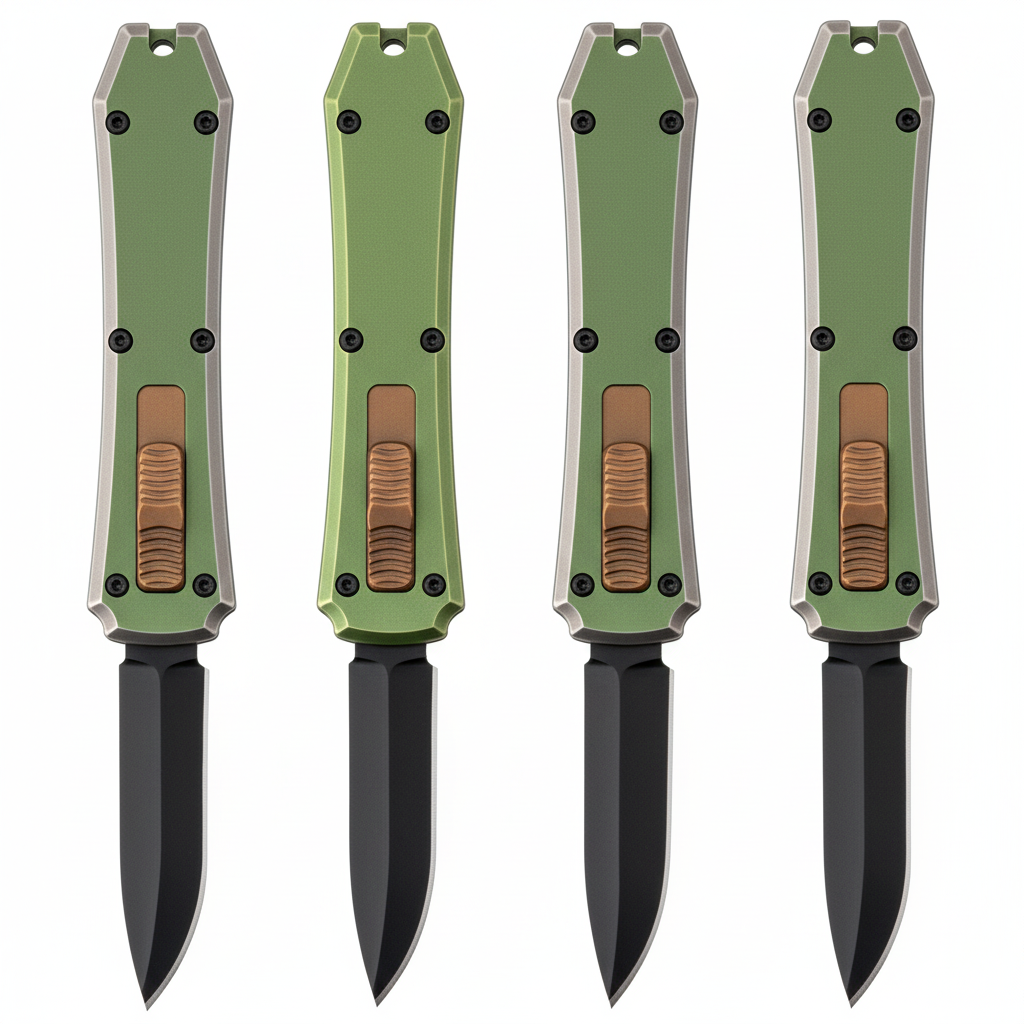
An OTF knife usually misfires because the blade does not complete its full travel and lock open or closed. In most cases, the cause is one of five things: debris in the track, too much oil creating drag, weak spring energy, worn or misaligned lock surfaces, or a grip that absorbs deployment energy.
The practical takeaway is simple: one random misfire may be dirt or handling, but repeated misfires after basic cleaning usually mean the knife needs service. Do not keep force-cycling it to see if it will “work itself out.”
What the symptom usually means
| What you notice | Most likely cause | Safe next step |
|---|---|---|
| Blade stops partway open after pocket carry | Lint, dust, grit, or excess oil in the track | Clean only as the maker recommends; stop if the problem repeats |
| Blade opens weakly and closes weakly | General drag or weak spring energy | Check for dirt and over-lubrication; if still weak, seek service |
| Misfires only when opening | Opening-side drag, worn engagement point, or spring weakness showing under load | Do a basic exterior inspection and cleaning; persistent failure needs repair |
| Misfires only when closing | Closing-side drag, debris near the rear of travel, or closing lock wear | Clean and inspect for visible damage; stop using if it continues |
| Slider feels gritty or scratchy | Lint, grit, burrs, or rough internal surfaces | Do not force the slider; clean externally and contact the maker if unchanged |
| Slider feels smooth but action is weak | Spring fatigue or low spring force | Service is more likely than a home fix |
| Brand-new knife misfires out of the box | Assembly debris, incorrect lubrication, rough machining, or a defective mechanism | Do not disassemble; contact the seller or maker |
Why an OTF misfires
On an out-the-front knife, the blade rides inside a narrow internal path and is driven by spring tension through the thumb slider. A misfire happens when the blade starts moving but does not reach the point where it locks fully open or fully closed.
That makes OTFs more sensitive to drag than many manual folders. A small amount of extra resistance from lint, sticky oil, a rough track, or worn lock surfaces can be enough to interrupt the cycle.
For clarity, the key parts are:
- Slider: the thumb control that tensions and releases the mechanism.
- Track: the internal path the blade follows.
- Spring: the power source that drives the blade through travel.
- Lock surfaces: the points that catch and hold the blade at the end of travel.
If one of those areas adds resistance or fails to engage cleanly, the knife may deploy partially, bounce, or fail to lock.
Common causes, from most likely to least likely
1. Pocket lint, dust, grit, or excess oil
This is the most common owner-level cause. OTF knives have an exposed opening, and everyday pocket carry can introduce lint, fine dirt, clothing fibers, and pocket dust. Heavy lubrication can make the problem worse by trapping debris and turning it into sticky drag.
Typical signs include a gritty slider, hesitation after a period of carry, or a knife that was working normally before it started acting sluggish. If the knife improves briefly after cleaning and then degrades again, contamination is a strong possibility.
2. Over-lubrication
Owners often assume more oil will make an OTF run better. In reality, too much oil can slow the action, attract more debris, and create a gummy feel inside the track. A lightly lubricated mechanism may work fine; an over-oiled one may misfire even though nothing is broken.
If the knife feels wet, leaves residue around the opening, or became less reliable after lubrication, excess oil is worth suspecting.
3. Weak spring energy
Springs wear over time, and some fail earlier than others. When spring energy drops, the action may feel smooth but underpowered. The blade starts moving, but it does not finish the cycle with enough force to lock.
This is more likely if the knife has many cycles on it, has been stored poorly, or shows weak action in both directions. Spring issues are generally not a home-repair item for most owners.
4. Rough track or internal burrs
If the inside of the handle has rough machining, a burr, coating buildup, or a tight spot in the track, the blade can lose speed at the same point in travel every time. This often feels different from dirt: instead of random hesitation, the knife may repeatedly stall in a similar place.
A new knife that misfires consistently out of the box may point to this kind of issue. That is a service or warranty matter, not something to solve by repeated cycling.
5. Worn or misaligned lock surfaces
The blade has to reach a specific position for the mechanism to catch and hold it. If the engagement surfaces are worn, damaged, or slightly out of alignment, the knife may fire but fail to lock open or closed. The user hears action and sees movement, but the cycle does not complete.
This becomes more likely when a knife has a history of repeated misfires, hard use, or forcing the slider after a failed cycle.
6. Grip interference
Some OTFs are sensitive to how they are held. If your hand presses against the handle in a way that absorbs movement, or if anything obstructs the blade path area, the mechanism can lose just enough energy to misfire. This is more noticeable on smaller knives with shorter travel and lighter action.
Grip is worth checking once, but it should not be used to explain away repeated failures on a clean knife.
Owner-safe checks you can do at home
Stay within basic cleaning and observation. Do not disassemble the knife unless the maker explicitly instructs owners to do so.
- Stop repeated testing. If it misfires more than once, do not keep snapping it open and closed to diagnose it by force.
- Check the pattern. Does it fail only when opening, only when closing, or in both directions? That helps separate contamination from a deeper mechanical problem.
- Look for obvious debris. Pocket lint, grit, sticky residue, and visible buildup near the opening are meaningful clues.
- Notice the slider feel. Gritty usually suggests contamination or roughness. Smooth but weak suggests spring energy or internal wear.
- Review recent changes. Did the problem start after pocket carry, after adding oil, or right out of the box? Those details matter.
- Clean only per maker guidance. Follow the manufacturer’s basic care instructions. If you do not have them, contact the maker or seller before trying solvents or disassembly.
Public guidance from major knife makers commonly treats OTF maintenance conservatively: keep the mechanism reasonably clean, avoid excess lubricant, and use factory service for persistent action problems. That is the safest line for most owners.
When to stop and contact the maker
Stop home troubleshooting and seek service if any of the following are true:
- The knife misfires repeatedly after basic cleaning.
- The blade will not lock open or closed consistently.
- The slider becomes unusually hard to move.
- You hear scraping, binding, or a new metallic catch.
- The knife is brand new and misfires out of the box.
- You see visible damage, a bent tip, or abnormal blade play after the failure.
For a persistent problem, the safe answer is service, not experimentation. OTFs are compact spring-driven mechanisms, and owner disassembly can make diagnosis harder, void support, or create a new safety issue.
New out of the box vs. after months of carry
If it is new
A brand-new OTF that misfires should not be assumed to be “breaking in.” More likely explanations are assembly debris, incorrect lubrication, rough internal finishing, or a defective spring or lock interface. Contact the seller or maker early rather than trying to wear the problem away.
If it started after daily carry
Carry-related contamination is more likely. Lint, dust, fine sand, and pocket residue build up gradually, especially if the knife lives loose in a pocket. In that case, basic cleaning may help once. If misfires continue, the issue may have progressed beyond simple dirt.
Why this answer
This explanation sticks to public, observable causes an owner can actually notice: debris, over-lubrication, spring weakness, rough travel, lock wear, and grip interference. That makes it more useful than guessing about factory tolerances without inspecting the knife.
FAQ
Can dirt cause an OTF knife to misfire?
Yes. Pocket lint, fine grit, dust, and sticky residue are among the most common reasons an OTF slows down and fails to lock fully.
Why does my OTF misfire only when opening?
That often points to drag or wear affecting the opening side of the cycle. It can also mean the spring is just strong enough to close the blade but not strong enough to drive a full opening lockup.
Why does it misfire only when closing?
Debris near the rear of travel, closing-side drag, or wear at the closed lock interface are common possibilities. Repeated closing-only failures usually need service.
Is one misfire normal?
One isolated misfire can happen from dirt or a poor grip. Repeated misfires are not normal and should be treated as a reliability problem.
Should I add more oil if my OTF is misfiring?
Not automatically. Excess oil is a common cause of sluggish action because it traps debris and adds drag. Follow the maker’s maintenance guidance instead of guessing.
Can I fix a persistent OTF misfire myself?
Basic cleaning and inspection are usually the safe limit. If the knife still misfires after that, contact the maker or seller for service. If you need help identifying the right model or support path, you can review the OTF knife catalog or send a question through the OTF support inquiry page.