

How to Sharpen a Matsato Knife Safely and Effectively


Short answer
Learn how to sharpen a Matsato knife with simple, safe steps, the right angle, and common mistakes to avoid. Helpful guidance for owners, retailers, and wholesa
In this article
- 01 What makes a Matsato knife different to sharpen?
- 02 The best way to sharpen a Matsato knife
- 03 Step-by-step sharpening process
- 04 How to sharpen a Matsato knife without ruining the edge
- 05 Honing, stropping, and regular maintenance
- 06 What wholesale buyers should look for in a sharpenable knife
- 07 Simple errors that make sharpening harder
- 08 Safety and responsible ownership
- 09 FAQ: how to sharpen a Matsato knife
- 10 How often should I sharpen a Matsato knife?
- 11 Can I use a pull-through sharpener?
- 12 What angle is best?
- 13 Is honing enough?
- 14 What should wholesale buyers ask before placing an order?
- 15 Final thoughts
If you want to sharpen a Matsato knife, the safest and most reliable approach is to use a fine whetstone or a quality sharpening system, keep the blade angle consistent, and finish by removing the burr with light strokes. In most cases, a moderate angle and a careful hand will restore the edge without removing too much steel. If the knife is only slightly dull, honing may help first; if it is truly blunt, sharpening is the better choice.
What makes a Matsato knife different to sharpen?
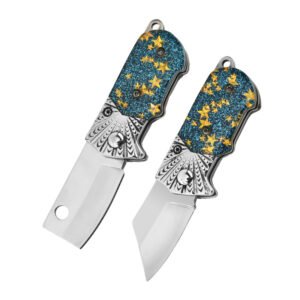
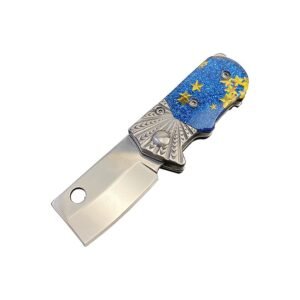
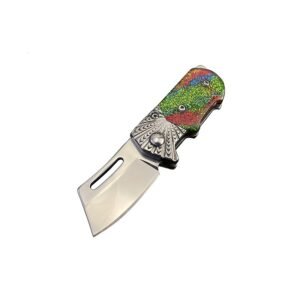
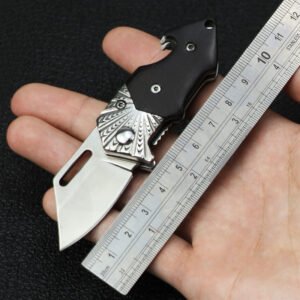
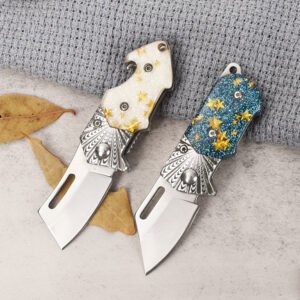
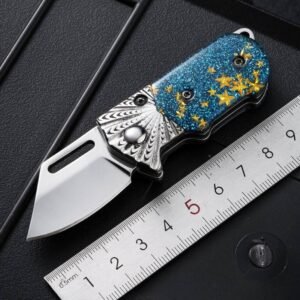
A Matsato knife is often valued for its compact size, practical cutting feel, and distinctive style. That means sharpening should focus on control rather than speed. Smaller blades can feel easier to manage, but they also show mistakes faster if the angle changes or the tip is pressed too hard. For store buyers and resellers, this is worth knowing because customers often ask for a knife that is simple to maintain at home without special equipment.
Before you begin, check the blade condition. If the edge has tiny chips, a stone is usually the best starting point. If the knife is simply losing bite, a few gentle passes may be enough. Always clean the blade first so dirt or residue does not scratch the surface while sharpening.
The best way to sharpen a Matsato knife
The most dependable method is a whetstone. It gives you control over pressure, angle, and finish. A dual-grit stone is often enough for home maintenance: a coarser side for restoring a dull edge and a finer side for refining it. If you are asking, “how do you sharpen a matsato knife?” the answer is usually the same basic process: steady angle, even strokes, and patience.
Step-by-step sharpening process
- Place the stone on a stable, non-slip surface and wet it if required by the stone type.
- Hold the knife at a consistent angle, usually around 15 to 20 degrees, unless the maker recommends otherwise.
- Draw the blade across the stone in smooth strokes, moving from heel to tip.
- Repeat evenly on both sides so the edge stays centered.
- When a slight burr forms along the edge, switch to the finer grit and lighten your pressure.
- Finish with a few very gentle strokes to remove the burr and improve the edge.
- Wipe the blade clean and test it carefully on soft material such as paper, not on your hand or fingers.
If you do not have a whetstone, a guided sharpening tool can help keep the angle consistent. That can be useful for new owners or retail customers who want a lower learning curve. However, many knife enthusiasts prefer stones because they offer more precision and a cleaner finish.
How to sharpen a Matsato knife without ruining the edge
One of the most common mistakes is using too much pressure. Heavy pressure can make the edge uneven, increase heat, and wear the blade faster. Another mistake is changing angles mid-stroke. Even a small shift can create a rounded edge that feels dull again very quickly.
Also avoid rushing through the coarse grit. A coarse stone is for shaping the edge, not finishing it. If you stop too early, the knife may seem sharp for a moment but lose performance after a few cuts. On the other hand, if the edge is already in decent condition, starting too aggressively can remove more steel than needed.
For buyers and distributors, this matters because end users often judge a knife by how easy it is to maintain. A product that sharpens cleanly and predictably tends to lead to better customer satisfaction and fewer complaints.
Honing, stropping, and regular maintenance
Sharpening and maintenance are not the same thing. Honing realigns a workable edge; it does not rebuild a worn one. Stropping on leather or a similar material can help refine the final edge after sharpening. For a Matsato knife used regularly in everyday tasks, light honing between sharpenings can extend the time before a full stone session is needed.
A practical routine is simple:
- Wipe the blade dry after use.
- Store it safely so the edge does not hit other metal objects.
- Hone lightly when cutting starts to feel less smooth.
- Sharpen only when honing no longer restores the edge.
This routine helps preserve the blade and keeps the knife ready for responsible household or retail demonstration use.
What wholesale buyers should look for in a sharpenable knife
If you are sourcing knives for a store, online shop, or distribution channel, the question is not only whether the knife looks appealing, but whether it is practical for the customer after purchase. A knife that sharpens consistently is easier to support, easier to explain, and more likely to earn repeat business.
When evaluating a Matsato-style knife or similar compact blade, consider these points:
- Edge geometry: A consistent bevel makes sharpening more predictable.
- Steel quality: The blade should hold an edge reasonably well while still being maintainable.
- Blade finish: A clean finish can reduce drag and improve the sharpening feel.
- Handle stability: A secure grip supports safer maintenance.
- Customer support needs: Buyers appreciate simple care instructions and clear expectations.
For wholesale sourcing, it also helps to choose products that are straightforward to explain and stock. If you are building a knife assortment for retail or resale, you can explore our OTF and auto knife wholesale category for related inventory options that appeal to collectors and specialty buyers.
Simple errors that make sharpening harder
Even a good knife can feel disappointing if the sharpening process is careless. Here are the errors that cause the most trouble:
- Using a damaged or dirty stone
- Applying uneven pressure from one side to the other
- Sharpening at a random angle instead of a steady one
- Skipping the fine grit or final finishing step
- Testing sharpness in an unsafe way
- Storing the knife loose in a drawer after sharpening
A well-sharpened blade should cut smoothly, not aggressively. The goal is control and consistency, especially for customers who care about everyday usability and long-term value.
Safety and responsible ownership
Always sharpen in a calm, well-lit space and keep your free hand clear of the blade path. Use a stable surface, and do not try to catch a slipping knife. After sharpening, store the knife securely and follow all local rules that may apply to ownership, carrying, sale, or transport. Those rules can vary by location, so it is wise to verify them before stocking or reselling any knife product.
For business buyers, responsible handling also means giving customers clear care guidance. A short maintenance note included with the product can reduce misuse and improve the overall ownership experience.
FAQ: how to sharpen a Matsato knife
How often should I sharpen a Matsato knife?
It depends on use. If the blade is used often, a light touch-up may be needed more regularly. If it is used only occasionally, sharpening may be infrequent. Watch for slipping on soft materials or a noticeable loss of smooth cutting.
Can I use a pull-through sharpener?
Some pull-through sharpeners can work in a pinch, but they are usually less precise than a whetstone. If you want better control and a more refined edge, a stone or guided system is a stronger choice.
What angle is best?
A moderate angle around 15 to 20 degrees is often a practical starting point for many pocket-style or compact blades. If the maker provides a specific recommendation, follow that first.
Is honing enough?
Honing can help when the edge is still present but no longer aligned. If the knife feels dull even after honing, sharpening is needed.
What should wholesale buyers ask before placing an order?
Ask about blade consistency, edge finish, packaging, care guidance, and whether the product is suited for your customer base. If you want to discuss bulk purchasing or product selection, you can send details through our wholesale inquiry form.
Final thoughts
To sharpen a Matsato knife well, keep the process simple: clean the blade, use a stable stone or guided sharpener, hold a consistent angle, and finish carefully. Avoid heavy pressure and rushed strokes, and maintain the edge with regular care. That approach works for owners who want a dependable knife at home and for wholesale buyers who want products that are easy to support after the sale.