




How to Become a Knife Dealer: A Practical Guide for Retailers and Wholesalers

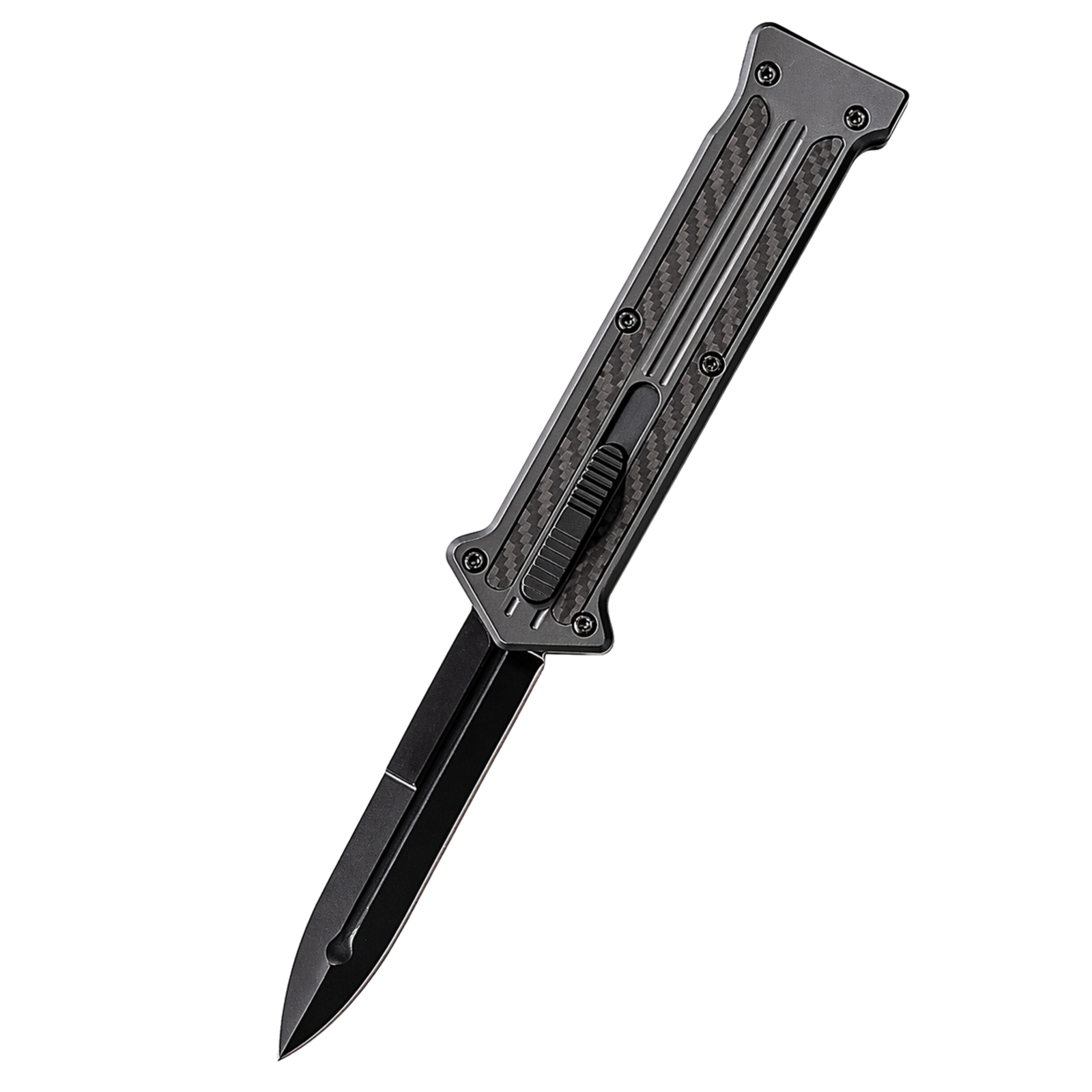
If you want to become a knife dealer, the first step is to choose a reliable wholesale source, understand your local laws, and build a buying plan that matches your customers. A good dealer does not just resell products; they select the right inventory, price it correctly, store it safely, and work with suppliers who can deliver consistent quality and service.
Whether you are opening a retail case, adding products to an online store, or expanding a distribution business, the process is similar: verify what you can legally sell, identify the knife styles your customers actually want, and open accounts with suppliers that offer dependable wholesale terms. From there, success comes from smart purchasing and steady inventory management.
What a knife dealer actually does
A knife dealer buys products at wholesale pricing and sells them through retail, online, or B2B channels. Some dealers focus on everyday carry styles, while others specialize in collectibles, outdoor gear, or tactical-inspired designs. Many successful buyers combine several categories so they can serve different customer groups without overstocking one style.
The core responsibilities are straightforward: source inventory, compare product quality, understand pricing margins, keep records, and handle products responsibly. Dealers also need to know their customer base. A sporting goods shop may want rugged utility knives, while an online reseller may want compact models with strong visual appeal and repeatable pricing. The more clearly you define your niche, the easier it becomes to buy inventory that moves.
Start with the legal and business basics
Before placing any wholesale order, confirm the rules that apply where you operate. Knife laws can vary by state, city, and country, and they may affect what you can sell, how products can be shipped, and whether age verification or special licensing is needed. Use general information as a starting point, then verify local requirements with the proper authorities or qualified advisors.
You should also decide how your business will operate. A sole proprietorship may be enough for a small online shop, while a larger retail operation may need formal business registration, tax documentation, resale certificates, and a dedicated business bank account. Suppliers often want to see that you are a legitimate business buyer before approving wholesale access.
Choose the knife categories your customers will buy
Not every knife dealer needs to carry everything. In fact, many new buyers do better by starting with a focused selection. Common categories include pocket knives, outdoor knives, kitchen knives, collectible pieces, and automatic or OTF styles where permitted. The best category depends on your audience, your price point, and your ability to explain the product clearly.
For example, a retailer near hunting and camping customers may do well with durable utility models and compact carry knives. An online reseller may prefer items with strong visual appeal, clear specifications, and consistent demand. A distributor may focus on larger order volumes and repeatable SKUs that other shops can reorder easily. If you need a place to compare product styles, browse the OTF knife catalog to see how a focused inventory can be organized for wholesale buying.
What makes a category worth carrying
- Clear customer demand: Choose products people already ask for.
- Reasonable margins: Make sure wholesale cost leaves room for profit after shipping and fees.
- Easy product explanation: Buyers should understand the size, mechanism, and use case quickly.
- Reliable supply: Avoid items that are hard to restock.
- Safe storage and handling: Select products you can store and display responsibly.
How to evaluate a wholesale knife supplier
Supplier selection can make or break your business. A good wholesale partner should offer consistent product descriptions, stable pricing, responsive service, and clear ordering terms. If you are comparing vendors, ask about minimum order quantities, shipping timelines, return policies, and whether product availability changes frequently.
Quality matters just as much as price. A low-cost knife that arrives with poor fit, weak packaging, or inconsistent finish can create returns and damage your reputation. Look for suppliers who provide clear specifications such as blade length, open length, closed length, handle material, locking style, and package details. If possible, order samples before committing to a larger purchase.
Questions to ask before opening an account
- What are the minimum order requirements?
- How often does inventory update?
- Are product photos and descriptions accurate enough for resale listings?
- What shipping options are available for wholesale orders?
- Do you support repeat ordering for the same SKUs?
Set your margins before you buy
Many new dealers focus on wholesale price and forget the full cost of doing business. To set a healthy margin, include product cost, shipping, payment processing fees, storage, packaging, marketplace fees if applicable, and the possibility of returns. A product that looks profitable at first glance may become weak after those costs are added.
As a simple example, if a knife costs $12 wholesale and another $4 goes to shipping and handling, your actual landed cost is already $16. If you sell it for $24, the gross margin may be too thin once fees are deducted. On the other hand, a product with a slightly higher purchase cost may perform better if it has stronger demand, better presentation, or fewer returns. Smart dealers buy for turn rate, not just for the lowest unit cost.
Build a starter inventory that is easy to sell
When you are learning how to become a knife dealer, start with a manageable assortment rather than a large random mix. A balanced starter order often includes a few entry-level items, a few mid-range options, and a few standout products that help attract attention. This gives you data on what customers prefer without tying up too much cash in slow movers.
It also helps to think in terms of replenishment. If one style sells quickly, it is easier to reorder the same item than to constantly test new ones. Repeatable products are especially useful for online stores and distributors because they simplify listing, photography, and customer service. If you are ready to request pricing or product access, use the wholesale inquiry form to start the conversation with a supplier.
Common starter mistakes to avoid
- Buying too many styles at once: Too much variety can create dead stock.
- Ignoring local rules: Some items may not be suitable for every market.
- Skipping product testing: Samples can reveal issues before you place a larger order.
- Underestimating fees: Shipping and marketplace costs can erase profit.
- Choosing only by appearance: Good presentation matters, but customers also want function and reliability.
How to present knives to customers responsibly
Dealers should focus on lawful, responsible ownership and proper storage. In a retail environment, keep display methods secure and appropriate for your store layout. For online sales, provide accurate descriptions and avoid exaggerated claims. Customers appreciate straightforward details about size, materials, carry style, and intended use.
Good presentation also means clarity. Clear images, honest measurements, and simple product notes reduce confusion and help buyers choose the right item. If a product has special handling or shipping considerations, make that information easy to understand. Responsible selling builds trust, and trust leads to repeat orders.
Practical path to becoming a knife dealer
If you want a simple roadmap, begin with a business setup that is ready for wholesale buying, then choose one or two categories that fit your market. Compare suppliers, request pricing, and order samples before placing a larger inventory buy. Once your first products arrive, test demand, track sell-through, and reorder the items that perform best. Over time, you can expand into related styles and larger volume.
Many successful dealers start small and grow through consistency. They know their customers, maintain good supplier relationships, and avoid chasing every trend. That approach is especially useful in wholesale knife buying, where product quality, availability, and compliance matter as much as price.
FAQ: becoming a knife dealer
Do I need a special license to become a knife dealer?
It depends on where you operate and what you sell. Some locations have restrictions on certain knife types or sales methods. Check your local and state rules before buying inventory.
How much money do I need to start?
There is no single number. A small starter order may require only a modest budget, while a larger retail or distribution program needs more capital for inventory, shipping, and overhead. Start with an amount that lets you buy enough product to test demand without overextending.
Should I sell online, in-store, or both?
Both can work well. In-store sales help customers handle products directly, while online sales can reach a wider audience. Many dealers use both channels to balance volume and visibility.
What is the biggest mistake new dealers make?
Buying without a clear customer plan is one of the most common mistakes. If you do not know who will buy the product, it is easy to end up with slow-moving inventory.
How do I find the right wholesale supplier?
Look for clear product information, reasonable minimums, responsive communication, and reliable restocking. A supplier that supports long-term wholesale buying is usually more valuable than one that simply offers the lowest price.
Becoming a knife dealer is less about making a quick purchase and more about building a repeatable buying system. If you focus on legal awareness, product selection, supplier quality, and margin control, you can create a business that serves customers well and grows steadily over time.