

Do Dishwashers Dull Knife Blades? What Buyers and Users Should Know

Short answer
Learn whether dishwashers dull knife blades, what really damages knives, and how buyers and resellers can choose easier-care knives and accessories.
In this article
- 01 Why dishwashers are hard on knife blades
- 02 What happens to different knife types in the dishwasher
- 03 Stainless steel kitchen knives
- 04 High-carbon steel knives
- 05 Knives with specialty coatings or finishes
- 06 Knives with plastic, wood, or composite handles
- 07 Does a dishwasher make a knife dull immediately?
- 08 How to wash knives the right way
- 09 When dishwasher use is more likely to cause problems
- 10 What wholesale buyers should look for in easy-care knives
- 11 Common mistakes that wear knives out faster
- 12 Practical FAQ
- 13 Can I put all stainless steel knives in the dishwasher?
- 14 Why do my knives come out with spots after washing?
- 15 Is hand washing really worth the extra time?
- 16 What should I tell customers who want low-maintenance knives?
- 17 How can I reduce returns on knife products?
- 18 The bottom line
Yes, dishwashers can dull knife blades over time, and they can also damage handles, finishes, and blade edges faster than hand washing. The main problem is not just the water itself; it is the combination of high heat, strong detergents, hard contact with other items, and the way knives move around in the rack. If you want knives to stay sharper longer, hand washing and immediate drying are usually the safer choice.
Why dishwashers are hard on knife blades
A knife edge is thin and precise. In a dishwasher, that edge is exposed to conditions that are rougher than most people realize. Even if a blade never hits another utensil directly, repeated cycles can slowly wear down the edge and finish.
Here are the main reasons dishwashers can cause damage:
- Heat: High temperatures can stress some handle materials and weaken adhesives used in certain knife constructions.
- Detergent: Strong dishwasher detergent is designed to remove baked-on food, not preserve fine cutting edges or polished finishes.
- Movement: Knives can shift during the wash cycle and strike racks, other utensils, or the dishwasher wall.
- Moisture exposure: Prolonged wetness can encourage spotting, corrosion, or staining on blades that are not fully protected.
- Contact with other metals: When knives rub against forks, spoons, or pans, the edge can lose sharpness faster.
For everyday kitchen knives, the difference may not be obvious after one wash. Over weeks and months, though, the edge can feel less crisp and require sharpening more often.
What happens to different knife types in the dishwasher
Not all knives react the same way. Material, construction, and finish all matter.
Stainless steel kitchen knives
Stainless steel blades are common and more forgiving than high-carbon blades, but “stainless” does not mean dishwasher-proof. The blade may survive, but the edge can still dull faster, and the finish can lose its clean look. Full-tang knives with durable handles generally hold up better than lightweight budget models, but hand washing is still the better long-term habit.
High-carbon steel knives
High-carbon steel knives usually need more careful drying and storage. Dishwasher exposure can lead to discoloration, rust spots, or edge wear. For buyers who carry premium cutlery or resell to serious home cooks, these knives are best presented with clear care instructions.
Knives with specialty coatings or finishes
Black coatings, satin finishes, and decorative blade treatments can be affected by detergent and repeated abrasion. The knife may still cut fine, but the appearance can change quickly. That matters for retail presentation, especially if the product is meant to look sharp and premium on the shelf.
Knives with plastic, wood, or composite handles
Some handle materials tolerate dishwashers better than others, but repeated heat and moisture can still cause warping, loosening, cracking, or fading. Wood handles are especially vulnerable. If the handle loosens or shifts, the knife becomes less comfortable and less safe to use.
Does a dishwasher make a knife dull immediately?
Usually, no. One dishwasher cycle will not instantly ruin a good knife. The problem is cumulative wear. If a knife is washed in a dishwasher often, the edge can become noticeably less sharp sooner than expected. That means more honing, more sharpening, and a shorter useful lifespan for the blade’s best cutting performance.
Think of it this way: a knife edge is similar to a fine tool edge. It can handle normal use, but repeated exposure to heat, chemicals, and impact will eventually change how it performs. For stores and resellers, this is worth explaining to customers who want knives that stay sharp and look new longer.
How to wash knives the right way
For most quality knives, hand washing is simple and effective. It takes only a minute and can make a real difference in edge retention and overall appearance.
- Rinse food residue off soon after use.
- Wash with warm water and a mild dish soap.
- Use a soft sponge or cloth, keeping the edge pointed away from your hand.
- Dry the knife immediately with a clean towel.
- Store it safely in a block, sheath, drawer organizer, or magnetic holder designed for knives.
For wholesale buyers, this is also a useful point to include in product inserts or customer handouts. Clear care guidance reduces complaints and helps customers get better results from the knives they purchase.
When dishwasher use is more likely to cause problems
Some situations are especially rough on blades and handles:
- Long cycles with high heat: These can be harder on handles and finishes.
- Overcrowded racks: Knives are more likely to knock into other items.
- Loose loading: A knife that slides around can get nicked or dulled faster.
- Hard water: Mineral deposits can leave spots or residue that make the blade look worn.
- Mixed metal loads: Contact with utensils and cookware increases abrasion.
If a customer insists on dishwasher use, the safest general advice is to follow the manufacturer’s care instructions and verify whether the knife is specifically rated for that treatment. Even then, hand washing is usually gentler.
What wholesale buyers should look for in easy-care knives
If you are stocking cutlery for retail customers, online resale, or distribution, knife care is part of the buying decision. Products that are easier to maintain tend to generate fewer returns and better customer satisfaction.
Useful buyer criteria include:
- Blade material: Look for stainless options that balance corrosion resistance and edge retention.
- Handle durability: Choose handles that resist heat and moisture if your customer base values low-maintenance care.
- Construction quality: Well-fitted handles and secure rivets or joins help the knife last longer.
- Finish stability: A finish that holds up to normal cleaning looks better on shelves and in customer kitchens.
- Clear care instructions: Buyers appreciate products that come with simple, realistic maintenance guidance.
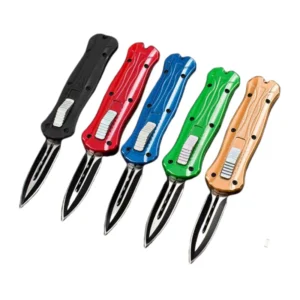
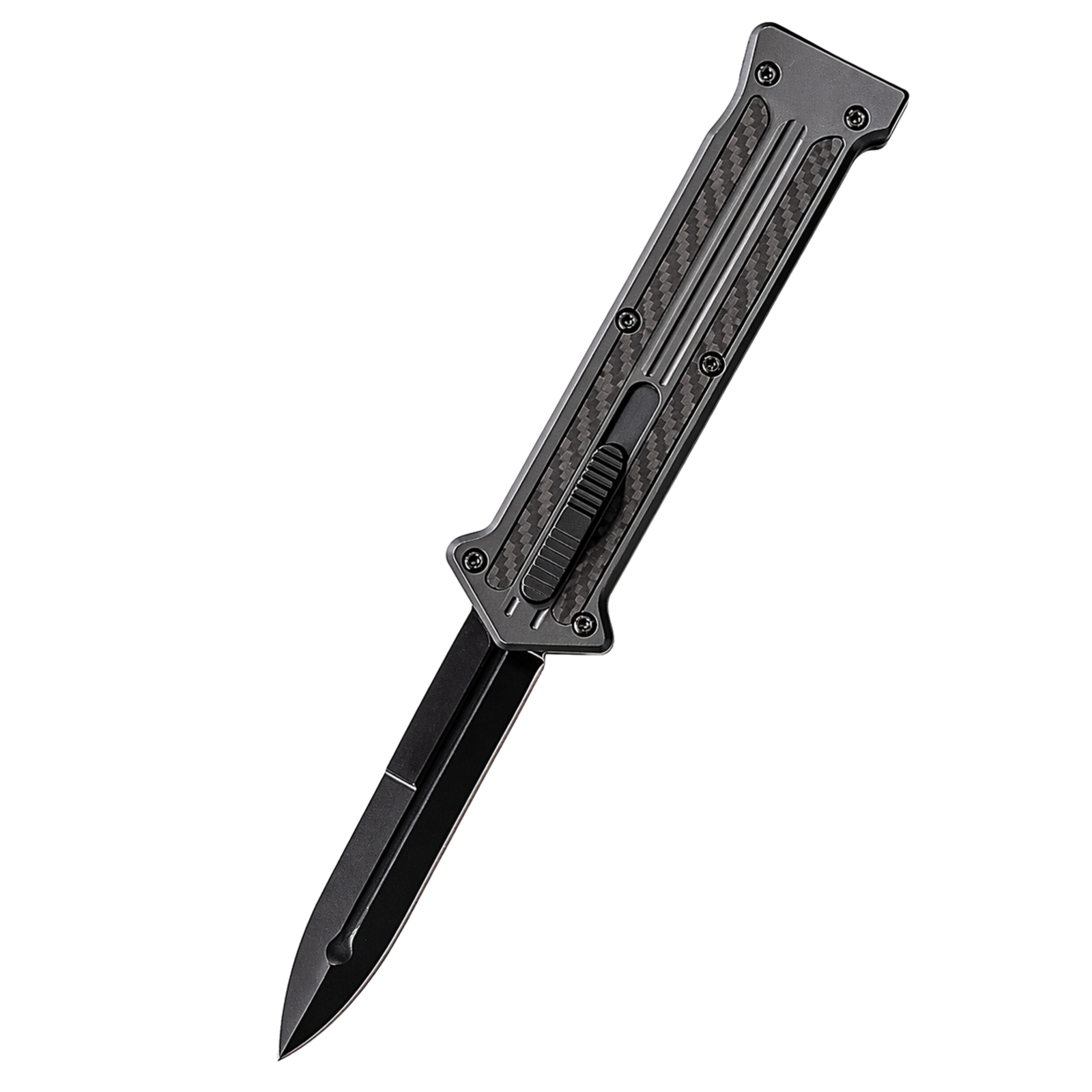
For stores that also carry automatic and OTF products, it helps to organize inventory by care expectations and product use. Customers browsing a wholesale OTF knife category may expect a different ownership experience than someone buying a kitchen knife, so product education should match the item.
Common mistakes that wear knives out faster
Dishwasher use is only one part of the picture. A few everyday habits can shorten a knife’s life even if it is washed carefully.
- Leaving knives wet: Air-drying for too long can create spotting or corrosion.
- Cutting on hard surfaces: Glass, stone, and ceramic boards are tough on edges.
- Storing loose in a drawer: Blades can hit other utensils and lose sharpness.
- Using the wrong tool for the job: Prising, scraping, or twisting with a knife can damage the edge.
- Ignoring honing and sharpening: Even good knives need maintenance to stay effective.
These habits matter for retail customers and bulk buyers alike. A knife that is used and maintained properly will often outperform a more expensive knife that is neglected.
Practical FAQ
Can I put all stainless steel knives in the dishwasher?
Not necessarily. Stainless steel is more resistant to rust than some other materials, but dishwasher heat, detergent, and contact with other items can still dull the edge and affect the handle or finish.
Why do my knives come out with spots after washing?
Spots can come from hard water, detergent residue, or incomplete drying. They may not always mean permanent damage, but they do show that the knife has been exposed to conditions that are not ideal for blade care.
Is hand washing really worth the extra time?
For most quality knives, yes. Hand washing helps preserve sharpness, protects the handle, and keeps the blade looking better for longer. It also gives you a chance to inspect the knife for damage.
What should I tell customers who want low-maintenance knives?
Recommend knives with durable materials, comfortable handles, and clear care instructions. Be honest that even easy-care knives benefit from hand washing if the customer wants the best edge life.
How can I reduce returns on knife products?
Set expectations early. Include simple care guidance, explain that dishwasher use may shorten blade life, and offer products that fit the customer’s preferred maintenance level. For wholesale pricing or larger stock orders, you can also use the wholesale inquiry form to discuss product options and care-friendly assortments.
The bottom line
Dishwashers can dull knife blades, and they can also damage handles, finishes, and overall knife performance. The effect is usually gradual, not immediate, but it is real. If you want knives to stay sharper longer and look better over time, hand washing and prompt drying are the best everyday habits. For sellers and wholesale buyers, clear care guidance is a simple way to protect product quality and improve customer satisfaction.