
Short answer
Learn what is considered a concealed carry knife, how laws often define concealed carry, common examples, buying considerations, and what wholesale buyers shoul
In this article
- 01 How concealed carry is usually understood
- 02 Common knife types that may be carried concealed
- 03 What usually makes a knife “concealed”
- 04 Factors buyers should check before stocking or carrying
- 05 Examples of real-world carry situations
- 06 Example 1: Pocket folder in a work setting
- 07 Example 2: Fixed blade under a jacket
- 08 Example 3: Knife in a backpack
- 09 Common mistakes people make
- 10 What wholesale buyers should look for
- 11 How to talk to customers about concealed carry knives
- 12 FAQ
- 13 Is every pocket knife a concealed carry knife?
- 14 Is carrying a knife in a bag concealed carry?
- 15 Are OTF knives considered concealed carry knives?
- 16 What is the safest way to stay compliant?
- 17 Can wholesalers sell concealed-carry-friendly knives?
A concealed carry knife is generally any knife carried in a way that is hidden from ordinary view, such as inside a pocket, under clothing, in a bag, or in another carrier designed to keep it out of sight. The exact legal meaning depends on state and local law, and some places focus on whether the knife itself is concealed while others focus on whether the person intended to hide it. For shoppers and wholesale buyers, the safest approach is to treat concealment rules as location-specific and verify them before buying, stocking, or carrying any knife.
How concealed carry is usually understood
In everyday language, concealed carry means the knife is not openly visible to people around you. That may include a folding knife clipped inside a pocket if the clip or handle is visible in some areas, but hidden in others. It may also include fixed blades carried inside a sheath under a jacket, neck knives worn under a shirt, or compact utility knives stored in a bag. Because laws vary so much, a knife that is considered concealed in one jurisdiction may be treated differently in another.
Many laws use broad terms like “concealed on the person” or “concealed weapon,” while others make exceptions for common pocket knives, tools, or lawful work knives. This is why buyers should not assume that a small knife is automatically legal to carry concealed everywhere. The blade length, opening mechanism, carry method, and intended use can all matter.
Common knife types that may be carried concealed
Several knife styles are often associated with concealed carry because of their size and carry options:
- Folding pocket knives: Compact and easy to place in a pocket, bag, or organizer.
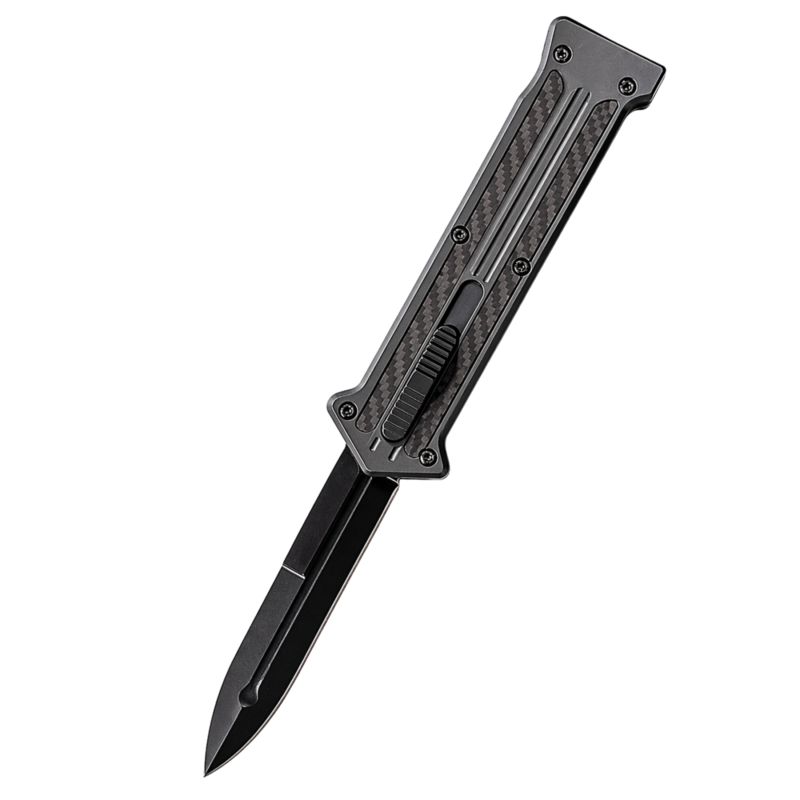
- OTF and automatic knives: Often carried in pockets or pouches; the legal treatment can be highly state-specific. Many retailers review OTF and automatic knife options separately because customer demand and regulations can differ from standard folders.
- Fixed-blade EDC knives: Usually carried in a sheath and can be concealed under clothing or in a pack.
- Neck knives: Small fixed blades worn under a shirt or jacket and often discussed in concealed carry contexts.
- Multi-tools with blades: Sometimes treated more like tools than weapons, but concealment and carry rules still matter.
For wholesalers and retail buyers, it helps to separate “popular concealed carry styles” from “lawful everywhere.” Those are not the same thing. Customer demand may be strong for compact folders or OTF models, but stocking decisions should still reflect local compliance concerns and your customer base.
What usually makes a knife “concealed”
Whether a knife is concealed often depends on how it is carried rather than the knife alone. A knife may be considered concealed if it is:
- Hidden inside a pants pocket, coat pocket, or vest pocket
- Carried in a purse, backpack, briefcase, or range bag
- Worn under a shirt, jacket, or outer layer
- Stored in a sheath or pouch that is not visible to others
- Kept in a vehicle in a way that is not in plain view
Some places also consider whether the knife is readily observable to an ordinary person. That means even a knife clip or exposed handle might create different legal questions depending on the jurisdiction. The practical takeaway is simple: if a knife is not obviously visible, it may be treated as concealed.
Factors buyers should check before stocking or carrying
Before choosing concealed-carry-friendly inventory or carrying a knife yourself, review the details that often affect legality and customer acceptance:
- Blade length: Some areas set limits for concealed carry.
- Opening mechanism: Assists, springs, and automatic deployment may be regulated differently.
- Locking style: Certain laws distinguish between locking folders and non-locking blades.
- Location of carry: Pocket, waistband, boot, neck, bag, or vehicle carry can each be treated differently.
- Purpose of carry: Work, camping, utility, self-defense, or collection use may affect how a knife is viewed.
- Age and eligibility: Some laws restrict sales or possession by minors or specific categories of people.
- Local restrictions: Cities, counties, transit systems, schools, and government buildings may have separate rules.
Wholesale buyers should also ask how products are described on packaging and in listings. A knife marketed as an everyday carry tool can still raise issues if a local jurisdiction treats it as a concealed weapon when hidden on the body.
Examples of real-world carry situations
Example 1: Pocket folder in a work setting
A small folding knife carried in a front pocket for opening boxes or cutting packaging may be seen as a tool by many customers. But if local law defines concealed carry broadly, the same knife can still be considered concealed if it is hidden from view. This is why store staff should avoid making blanket legal claims.
Example 2: Fixed blade under a jacket
A fixed-blade knife worn inside the waistband or under outerwear is more likely to be viewed as concealed because the sheath and handle are not plainly visible. In some places that may be allowed with conditions; in others it may be restricted or prohibited.
Example 3: Knife in a backpack
Many shoppers assume that a knife in a backpack is not “carried” in the same way as one on the belt. However, laws can still treat a bag as part of concealed carry, especially if the knife is readily accessible and hidden.
Common mistakes people make
One of the biggest mistakes is assuming that “small” means “legal everywhere.” Small knives can still be restricted if they are concealed. Another common mistake is relying on online videos or forum advice instead of checking current local rules. Knife laws change, and a product that sold well last year may now be subject to different restrictions.
Other mistakes include:
- Assuming a pocket clip makes a knife openly carried in every state
- Buying inventory without checking municipal restrictions
- Using a concealed carry knife in sensitive places where knives are banned
- Ignoring how a sheath, case, or holster changes the carry profile
- Failing to provide customers with basic care and safety guidance
For resellers and distributors, inaccurate product descriptions can also create problems. Clear, neutral descriptions help customers choose responsibly and reduce confusion at the point of sale.
What wholesale buyers should look for
When sourcing knives for retail or distribution, concealed-carry-friendly models should be evaluated on more than appearance. Consider the following:
- Broad customer appeal: Compact size, practical blade shapes, and everyday utility are often easier to sell.
- Compliance flexibility: Models that fit multiple use cases may reduce customer returns and confusion.
- Durable construction: Reliable locks, sturdy handles, and quality sheaths matter in the field.
- Clear product information: Buyers want blade length, open/close style, materials, and carry method.
- Responsibility messaging: Safe storage and lawful use guidance builds trust with end customers.
If you are building a knife assortment for a storefront or online catalog, it can help to mix practical folders, compact fixed blades, and specialty items while keeping compliance in mind. For sourcing discussions, many businesses start with a wholesale inquiry so they can match inventory to their market and local rules.
How to talk to customers about concealed carry knives
Retail staff and online sellers should keep explanations simple and factual. A useful approach is to describe how the knife is carried, what the product is designed for, and where buyers should verify legal restrictions. It is also wise to remind customers that concealed carry rules can differ by state, city, and specific location.
Helpful customer-facing guidance often includes:
- Store knives securely and out of reach of children
- Check local laws before carrying
- Use the knife only for lawful purposes
- Keep the blade clean, dry, and properly maintained
- Choose a size and carry method that fits the user’s routine
That kind of guidance is practical, responsible, and easier for customers to trust than exaggerated claims about “legal everywhere” carry.
FAQ
Is every pocket knife a concealed carry knife?
Not necessarily. A pocket knife may be openly carried in some situations and considered concealed in others. The legal treatment depends on how it is carried and where you are.
Is carrying a knife in a bag concealed carry?
Often it can be, especially if the knife is hidden from view and carried on your person. Some jurisdictions treat bag carry differently from pocket or waistband carry, so local rules should always be checked.
Are OTF knives considered concealed carry knives?
They can be, depending on how they are carried and the laws in the area. OTF knives are often compact and easy to conceal, but the legal status of the knife itself may also vary. Buyers should verify local restrictions before stocking or carrying them.
What is the safest way to stay compliant?
The safest approach is to check state and local knife laws, understand how the knife is classified, and avoid carrying it in places where knives are restricted. When in doubt, consult a qualified local attorney or law enforcement source for current guidance.
Can wholesalers sell concealed-carry-friendly knives?
Yes, many wholesalers and retailers sell compact folders, fixed blades, and specialty knives that customers may choose for everyday carry. The important part is accurate product information, careful market selection, and clear reminders that buyers must follow local law.
Bottom line: a concealed carry knife is usually any knife hidden from ordinary view, but the exact legal meaning depends on where it is carried and what the local rules say. For shoppers, the key is responsible ownership and lawful carry. For wholesale buyers, the best inventory is practical, well-described, and selected with compliance in mind.