




What Is the Best EDC Knife?

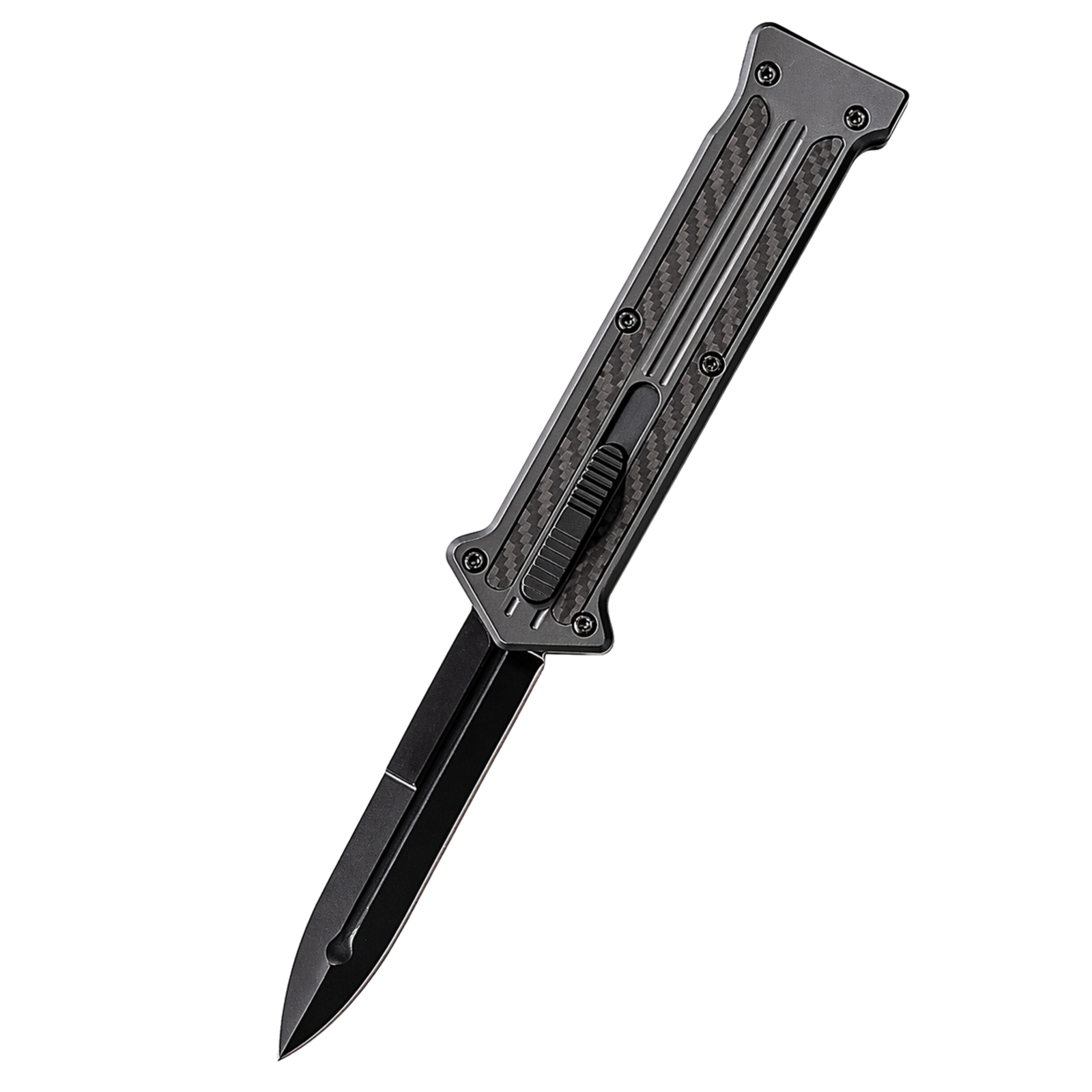
The best EDC knife is the one you can carry comfortably every day, open and close safely, and trust to handle the tasks you actually do most often. For most people, that means a compact folding knife with a blade around 2.75 to 3.5 inches, a dependable lock, a pocket-friendly profile, and steel that balances edge retention with easy maintenance. If you are buying for yourself, a store, or a resale business, the right choice is less about the flashiest design and more about practical features that fit real daily use.
EDC stands for everyday carry, so the best EDC knife should disappear into your routine until you need it. It should open packages, cut cord, trim material, or help with small outdoor tasks without feeling bulky or difficult to maintain. For wholesale buyers and retailers, that same simplicity matters even more because the best sellers are usually the knives customers immediately understand and feel comfortable carrying.
What makes an EDC knife truly good
A good EDC knife does four things well: it carries easily, opens smoothly, locks securely, and stays useful after repeated use. The ideal knife is not always the biggest or most expensive. It is the one that matches the buyer’s hand size, work style, and local carry rules.
When shoppers ask what is the best edc knife, these are the features that usually matter most:
- Blade size: Small enough for comfortable carry, large enough for real tasks.
- Lock strength: A secure lock gives confidence during everyday cutting.
- Weight: Light enough to carry all day without noticing it.
- One-handed opening: Convenient for common daily use.
- Steel and edge retention: A practical balance of sharpness, toughness, and maintenance.
- Handle comfort: Good grip without hot spots or awkward edges.
For many users, a folding knife is the best EDC style because it is compact and discreet. If you want to compare common folding options, the folding knife wholesale category is a useful place to review sizes, materials, and price points.
The best EDC knife depends on how it will be used
There is no single knife that is best for everyone. A warehouse worker, a delivery driver, a retail associate, and a weekend camper may all want different details. The best EDC knife for office carry is usually slimmer and lighter. The best EDC knife for outdoor work may need a tougher blade and a more secure grip. The best EDC knife for a reseller is often a balanced model with broad appeal and a price that leaves room for margin.
For simple daily tasks
If the knife will mostly open boxes, cut tape, slice packaging, and handle occasional household jobs, look for a lightweight folder with a plain edge and a simple, reliable lock. A drop-point blade is often a safe all-around choice because it offers control and a strong tip without being overly specialized.
For work environments
Work users often prefer a knife that is easy to clean, easy to open with gloves, and not too large in the pocket. Textured handles, liner locks, frame locks, and thumb studs can be practical features. In some workplaces, blade length or carry rules may be more important than steel type, so buyers should verify local and workplace policies before stocking or carrying any model.
For outdoor and utility carry
Campers, tradespeople, and field users may value corrosion resistance, a grippy handle, and a blade that can handle rougher use. Stainless steels are often popular here because they reduce maintenance, though the exact choice depends on how often the knife will be used and sharpened.
Blade shape, steel, and handle: the details that matter
Many shoppers focus on appearance first, but the best EDC knife usually wins on details. Blade shape affects how the knife cuts. Steel affects how long the edge lasts and how much upkeep is needed. Handle material affects comfort, durability, and grip.
Common blade shapes
- Drop point: One of the most versatile choices for everyday use.
- Clip point: Offers a finer tip and a more pointed profile.
- Wharncliffe: Excellent for controlled slicing and utility work.
- Spey or sheepsfoot styles: Often chosen for safer, more controlled cutting tasks.
For a first-time buyer, drop point is usually the easiest recommendation because it fits many needs without feeling too specialized.
Steel choices in plain language
There is no perfect steel for every user. Some steels hold an edge longer, while others sharpen more easily. For everyday carry, a buyer usually wants a steel that is predictable, reasonably corrosion resistant, and not difficult to maintain. If the knife will be used in humid environments, around food prep, or around sweat and pocket debris, corrosion resistance becomes more important. If it will be used hard but sharpened often, easy maintenance may matter more than premium edge retention.
Handle materials and grip
Common handle materials include G10, aluminum, stainless steel, FRN, and wood or other decorative materials. For practical EDC use, textured synthetic handles are often easier to recommend because they are lightweight and durable. Metal handles feel premium, but they can be slippery if the texture is too smooth. Wood can look attractive in retail displays, though it may be less ideal for buyers who want a rugged work knife.
What wholesale buyers should look for
Retailers and distributors usually need more than one “best” EDC knife. They need a lineup that covers different price points and customer types. A strong wholesale assortment often includes a budget-friendly everyday folder, a mid-range best seller, and a more premium option for buyers who want upgraded materials or a refined finish.
When sourcing for resale, pay attention to these buyer-friendly traits:
- Broad appeal: Neutral styling usually sells better than niche designs.
- Reliable opening and lockup: Customers notice this immediately.
- Consistent fit and finish: Reduces returns and complaints.
- Clear product specs: Blade length, weight, steel, and handle material should be easy to explain.
- Good packaging: Helps with shelf presentation and online listings.
Wholesale buyers often do best with knives that are simple to describe and easy for customers to understand. If a product needs a long explanation before it makes sense, it may be harder to move at retail. A clean assortment from a folding knife supplier can help stores cover casual buyers, value shoppers, and repeat customers without overcomplicating inventory.
Mistakes people make when choosing an EDC knife
The most common mistake is buying for looks instead of use. A knife can have an impressive finish, but if it is too heavy, too thick, or awkward in the pocket, it will not feel like the best EDC knife after a week of carrying it. Another mistake is choosing a blade that is too large for the user’s actual needs. Bigger is not always better, especially for people who want discreet, comfortable daily carry.
Other mistakes to avoid include:
- Ignoring local laws or workplace restrictions on blade length and carry style.
- Choosing a difficult-to-maintain steel for a first knife.
- Buying a slippery handle with no real grip.
- Overlooking pocket clip placement and carry comfort.
- Assuming a premium price automatically means better everyday performance.
For wholesale buyers, another mistake is stocking only one style. Different customers want different combinations of price, blade shape, and finish. A balanced selection helps avoid dead inventory and improves the chance that every shopper finds a model that fits.
How to narrow down the best choice
A simple way to choose the best EDC knife is to ask three questions: What will it cut most often? How will it be carried? How much maintenance is acceptable? The answers usually point to a clear style. If the knife is for light everyday chores, a slim drop-point folder may be ideal. If it is for work use, durability and grip may matter more. If it is for retail resale, the safest bet is usually a well-rounded knife with a clean design and a price that makes sense for your customer base.
Shoppers who want one knife to do almost everything usually do well with a compact folding knife in a practical steel, a comfortable handle, and a secure lock. That combination is popular for a reason: it is easy to carry, easy to explain, and easy to trust.
FAQ about choosing an EDC knife
What size is best for an EDC knife?
Many buyers prefer a blade in the 2.75 to 3.5 inch range because it is large enough for daily tasks without feeling oversized. The best size still depends on comfort, carry laws, and intended use.
Is a more expensive knife always better?
Not necessarily. Higher-priced knives may offer better materials or finish, but the best EDC knife is the one that fits the user’s needs and feels reliable in daily carry.
What blade shape is best for everyday use?
Drop point is usually the most versatile choice. It handles general cutting well and is easy for many buyers to understand.
What should retailers stock first?
Retailers usually do well with a mix of affordable, mid-range, and upgraded folding knives. That gives customers a clear choice without overwhelming them.
Should buyers check local knife laws?
Yes. Rules can vary by location and may change over time. Buyers should verify local and workplace policies before carrying or reselling any knife.
The practical answer
The best EDC knife is the one that balances comfort, reliability, size, and simple maintenance better than the rest. For most people, that means a compact folding knife with a secure lock, a versatile blade shape, and a handle that feels good in the pocket and in the hand. For wholesale buyers, the best products are the ones that combine everyday usefulness with broad customer appeal. If you keep those priorities in mind, it becomes much easier to choose knives that people will actually carry, use, and buy again.