

How to Clean a Pocket Knife: A Practical Guide for Safe, Lasting Performance


Short answer
Learn how to clean a pocket knife safely with simple tools, step-by-step care tips, common mistakes to avoid, and maintenance advice for buyers and resellers.
In this article
- 01 Start with the knife you actually have
- 02 What you need before you begin
- 03 A simple step-by-step cleaning routine
- 04 1. Make the knife safe and stable
- 05 2. Remove loose debris first
- 06 3. Clean the blade
- 07 4. Clean the handle and pivot area
- 08 5. Rinse only when appropriate
- 09 6. Dry every part completely
- 10 7. Lubricate the moving parts
- 11 How often should you clean a pocket knife?
- 12 Mistakes that shorten a knife’s life
- 13 What wholesale buyers should look for when choosing pocket knives
- 14 Special care for common pocket knife materials
- 15 Stainless steel blades
- 16 Carbon steel blades
- 17 Wood, bone, and natural handles
- 18 G10, aluminum, and synthetic handles
- 19 Quick FAQ
- 20 How do you clean a pocket knife if it is very dirty?
- 21 Can I put a pocket knife in the dishwasher?
- 22 What should I do if the blade has rust spots?
- 23 How do I keep a pocket knife clean longer?
The best way to clean a pocket knife is to open it carefully, wipe away dirt and pocket lint, wash the blade and handle with mild soap and warm water if the materials allow it, dry everything completely, and add a small amount of lubricant to the pivot and moving parts. That simple routine keeps the knife smoother, reduces corrosion, and helps it last longer whether you carry one daily, stock them in a retail shop, or buy in volume for resale.
Start with the knife you actually have
Not every pocket knife should be cleaned the same way. A basic stainless steel folding knife can usually handle a light wash, while a knife with a spring-assisted mechanism, coated blade, wood handle, or decorative finish may need more careful treatment. Before you begin, check the handle material, blade finish, and locking system so you do not use water or chemicals that can damage the knife.
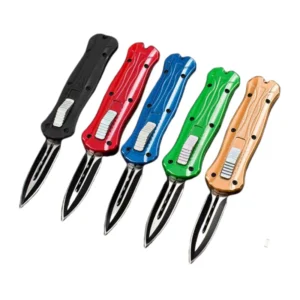
If you are buying knives for a store or wholesale account, this matters even more. Customers often ask how to care for a knife after purchase, so choosing models that are easy to maintain can reduce returns and improve satisfaction. If you carry automatic or OTF models, you may also want to review the OTF and automatic knife wholesale category to see how different designs compare in maintenance needs.
What you need before you begin
Most pocket knives can be cleaned with a few simple items:
- Warm water
- Mild dish soap
- Soft cloths or paper towels
- A soft toothbrush or nylon brush
- Cotton swabs for tight spaces
- Mineral oil or a knife-safe lubricant
- Compressed air, if available, for debris in the handle or pivot
Avoid harsh solvents unless the manufacturer specifically says they are safe. Strong cleaners can strip finishes, dry out handle materials, or leave residue inside the pivot.
A simple step-by-step cleaning routine
1. Make the knife safe and stable
Open the blade only as much as needed for cleaning, and keep your fingers away from the edge. Work on a flat surface with good lighting. If the knife has a locking mechanism, make sure you understand how it opens and closes before handling it.
2. Remove loose debris first
Use a dry cloth, brush, or compressed air to clear pocket lint, dust, and grit from the handle, pivot, and around the lock. This step helps keep dirt from turning into a muddy paste when you add water.
3. Clean the blade
For most stainless steel blades, wipe the blade with a cloth dipped in warm soapy water. If the knife is only lightly dirty, this may be enough. For sticky residue from tape, packaging, or food, let the damp cloth sit on the spot for a few seconds before wiping. Use a soft brush or cotton swab for the area near the spine and around jimping or serrations.
If the blade has a coated finish, gentle wiping is usually better than scrubbing. Coatings can wear down if you use abrasive pads or aggressive cleaners.
4. Clean the handle and pivot area
The handle often collects more grime than the blade. Wipe the scales, liners, and back of the knife with a lightly damp cloth. Use a toothbrush or cotton swab to clean around screws, the pivot, and the lock bar. Be careful not to flood the inside of the knife with water, especially if it has bearings, washers, or a spring-assisted mechanism.
For textured handles, a soft brush can lift dirt trapped in grooves. If the handle is wood, bone, or another natural material, use minimal moisture and dry it quickly.
5. Rinse only when appropriate
Some knives can be rinsed briefly under running water, but only if the materials and construction can handle it. If you are unsure, stick with a damp cloth rather than submerging the knife. Never soak a knife unless the manufacturer clearly says it is safe. Water can stay trapped inside the handle and cause rust or corrosion later.
6. Dry every part completely
Dry the blade, handle, and pivot area with a clean towel. Then leave the knife open for a while so hidden moisture can evaporate. This is one of the most important steps in the whole process. A pocket knife that looks dry on the outside may still hold water inside the pivot or scale channels.
7. Lubricate the moving parts
Once the knife is dry, apply a tiny amount of lubricant to the pivot and any moving contact points. Open and close the blade a few times to work the oil in, then wipe away excess. Too much lubricant attracts lint and dust, which means the knife will get dirty again faster.
How often should you clean a pocket knife?
The right schedule depends on how the knife is used. A knife carried every day in a pocket may need a quick wipe-down weekly and a deeper cleaning every few weeks. If it is used around food, cardboard, outdoor gear, or damp conditions, clean it more often. For display stock, occasional inspection is still important because humidity and handling can affect the finish.
Retailers and distributors often benefit from sharing simple care guidance with buyers. A knife that is easy to maintain is more likely to stay in good condition, which reflects well on the product and the seller.
Mistakes that shorten a knife’s life
Many cleaning problems come from trying to do too much too fast. Avoid these common mistakes:
- Soaking the knife in water without checking whether the materials allow it
- Using bleach, ammonia, or harsh solvents on the blade or handle
- Scrubbing coated blades with abrasive pads
- Forgetting to dry the pivot and lock area
- Over-oiling the knife and trapping dirt inside
- Closing the knife while moisture is still inside the handle
If a knife has visible rust, sticky movement, or a lock that does not engage smoothly after cleaning, stop and inspect it carefully. In some cases, the issue may be beyond routine maintenance and may need professional attention or replacement.
What wholesale buyers should look for when choosing pocket knives
If you buy knives for resale, cleaning and maintenance should be part of the buying decision. Customers tend to prefer knives that are straightforward to care for, especially if they are new to everyday carry. Look for durable blade steels, handle materials that tolerate normal cleaning, and pivots that do not feel overly tight or gritty out of the box.
It also helps to ask whether the design is easy to inspect and service. A knife that opens smoothly, dries quickly, and resists corrosion can reduce after-sale complaints. For distributors and shop owners, products that are easy to explain are often easier to sell.
If you are sourcing inventory and want to discuss product options, packaging, or bulk purchasing, you can send an inquiry through the wholesale inquiry form.
Special care for common pocket knife materials
Stainless steel blades
Stainless steel is generally forgiving, but it still benefits from drying and light lubrication. Fingerprints, moisture, and pocket debris can still lead to discoloration over time.
Carbon steel blades
Carbon steel needs more attention because it can rust more easily. Wipe it dry after every cleaning and consider a very light protective oil film if appropriate for the knife.
Wood, bone, and natural handles
Use minimal water and avoid long exposure to moisture. Dry these materials promptly and keep them away from harsh cleaners that can dull the finish or cause cracking.
G10, aluminum, and synthetic handles
These materials are usually easier to maintain. A damp cloth and soft brush are often enough, but the pivot and internal mechanism still need careful drying.
Quick FAQ
How do you clean a pocket knife if it is very dirty?
Start by removing loose grit, then use a damp cloth with mild soap. Work carefully around the pivot and lock, dry it fully, and lubricate the moving parts afterward. If dirt is packed inside the handle, use a soft brush or compressed air rather than soaking the knife.
Can I put a pocket knife in the dishwasher?
It is generally not a good idea. High heat, detergent, and water exposure can damage finishes, handle materials, adhesives, and moving parts. Hand cleaning is safer for most knives.
What should I do if the blade has rust spots?
For light surface rust, a gentle cleaner made for knives or a soft cloth may help. Use care not to scratch the blade. If rust is deep or spreading, the knife may need more than routine cleaning.
How do I keep a pocket knife clean longer?
Wipe it after use, keep it dry, avoid carrying it loose with coins or keys when possible, and store it in a dry place. A small amount of maintenance done regularly is easier than fixing a neglected knife later.
Knowing how to clean a pocket knife is one of the simplest ways to protect its performance and appearance. Whether you carry one for everyday use or stock them for customers, a careful cleaning routine helps the knife open smoothly, resist wear, and stay ready for responsible use. For buyers, it is also a useful reminder that easy maintenance is a real product advantage, not just a nice extra.