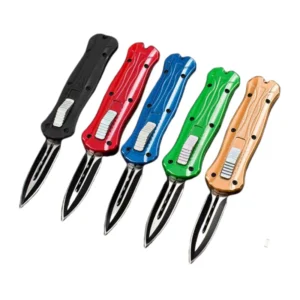


How to Close a Husky Pocket Knife Safely and Smoothly

Short answer
Learn how to close a Husky pocket knife safely, avoid common mistakes, and choose reliable folding knives for retail, resale, and wholesale sourcing.
In this article
- 01 Start by identifying the lock type
- 02 Liner lock
- 03 Frame lock
- 04 Back lock or lockback
- 05 Slipjoint
- 06 How to close a Husky pocket knife step by step
- 07 Common mistakes that lead to pinches or damage
- 08 What makes a folding knife easier to close
- 09 Why closing technique matters for resale and customer satisfaction
- 10 Care tips that help a pocket knife close better over time
- 11 General safety and legal considerations
- 12 Frequently asked questions
- 13 How do you close a Husky pocket knife if it feels tight?
- 14 Can I close it with one hand?
- 15 What if the blade does not seat fully when closed?
- 16 Are all Husky pocket knives closed the same way?
If you want to close a Husky pocket knife, the basic idea is simple: keep your fingers clear of the blade path, release the lock or liner, and guide the blade back into the handle slowly until it seats fully. The exact feel can vary by model, but the safe habit is always the same—use controlled pressure, never force the blade, and make sure the knife is pointed away from your hand and body while closing.
Because Husky pocket knives can come in different folding styles, it helps to understand the lock mechanism before you try to close one. Some open and close with a liner lock, some use a frame lock or back lock, and others may have a simple slipjoint design. For store buyers, resellers, and wholesale customers, those differences matter because they affect ease of use, customer satisfaction, and return rates.
Start by identifying the lock type
Before you close any folding knife, look at how the blade is held open. That one detail tells you how to release it safely. A Husky pocket knife may feel different from one model to another, even within the same brand line, so don’t assume every knife closes the same way.
Liner lock
A liner lock uses a thin metal bar inside the handle that moves under the blade tang when the knife opens. To close it, push that bar sideways with your thumb so the blade can fold back into the handle. Keep your other fingers out of the blade path.
Frame lock
A frame lock works similarly, but the handle frame itself acts as the locking piece. The closing motion is the same in principle: move the lock bar out of the way and guide the blade closed slowly.
Back lock or lockback
With a back lock, there is usually a release tab along the spine of the handle. Press it down carefully, then fold the blade closed while keeping the edge away from your hand.
Slipjoint
A slipjoint does not have a true locking mechanism. It relies on spring tension to stay open or closed. These can be easier to close, but they still need respect because the blade can snap shut if you lose control.
How to close a Husky pocket knife step by step
If you are wondering how do you close a Husky pocket knife without pinching yourself, the safest approach is to slow down and use a stable grip. The steps below apply to most common folding models.
- Hold the knife firmly in your dominant hand with the blade pointed away from your fingers and body.
- Use your thumb or index finger to release the lock mechanism.
- Once the blade is free, begin folding it back into the handle with steady, controlled pressure.
- Keep your other hand completely clear of the blade path.
- Close the knife all the way until the blade is fully seated and the handle is secure.
- Store it closed in a pocket, pouch, or display case after use.
If the blade resists, stop and check whether the lock is fully disengaged. Forcing a folding knife can damage the pivot, wear the lock, or cause the blade to swing unexpectedly.
Common mistakes that lead to pinches or damage
Most closing problems come from rushing. A pocket knife should close smoothly, but not carelessly. Here are the mistakes that matter most for everyday users and for buyers who want fewer complaints from customers.
- Putting fingers in the blade path: This is the most common cause of cuts and pinches.
- Forcing a stuck blade: If the lock is not fully released, pressure can stress the knife.
- Closing one-handed without control: Some users try to flick or snap the blade shut too quickly.
- Ignoring debris or lint in the pivot: Pocket lint, dust, and residue can make the action gritty.
- Using too much oil: Excess lubricant can attract dirt and make the knife feel sloppy.
For retail buyers, these issues often show up as returns or complaints about “stiff” or “unsafe” folders. In many cases, the knife is fine; the user just needs a better understanding of how the lock works and how to close it properly.
What makes a folding knife easier to close
Not all pocket knives are equally easy to operate. If you are choosing inventory for a store, online listing, or wholesale order, look for features that improve everyday handling and reduce user confusion.
- Clear lock design: A visible, easy-to-reach lock release helps first-time users.
- Smooth pivot action: A well-fitted pivot makes opening and closing feel controlled.
- Thumb studs or flipper tabs: These can help with deployment, though closing still depends on the lock type.
- Good detent and blade alignment: The blade should seat evenly in the handle when closed.
- Comfortable handle shape: A handle that fills the hand makes it easier to keep a safe grip during closure.
For wholesale buyers, these details are worth checking before placing a larger order. A knife that feels intuitive in the hand tends to perform better with general consumers, outdoor customers, and everyday carry shoppers. If you are building a broader assortment, you can review options in our folding knife wholesale category.
Why closing technique matters for resale and customer satisfaction
Store owners and distributors often focus on blade steel, handle material, and price point, but closing action is part of the buying decision too. A knife that is difficult to close may be returned even if the blade itself is solid. On the other hand, a knife that closes cleanly and predictably can feel premium at a modest price.
When sourcing folding knives for wholesale, consider how the product will be used in real life. A customer may be buying a knife for utility work, camping, package opening, or everyday carry. They may not be experienced with lockback, liner lock, or slipjoint designs. Clear product descriptions, basic handling guidance, and consistent build quality can reduce confusion and improve satisfaction.
Care tips that help a pocket knife close better over time
A Husky pocket knife, like most folding knives, will usually close more smoothly if it is kept clean and lightly maintained. You do not need complicated tools for basic care.
- Wipe the blade and handle after use to remove moisture and debris.
- Check the pivot area for lint or grit.
- Use a small amount of appropriate lubricant if the action feels dry.
- Do not over-tighten screws unless the knife design calls for it.
- Store the knife closed and dry when it is not in use.
If a knife suddenly becomes hard to close, inspect it for dirt, damage, or misalignment. A well-maintained folder should feel controlled, not stiff or sticky.
General safety and legal considerations
Folding knives are practical tools, but local rules about carrying, storage, and use can vary widely. If you sell or distribute knives, it is wise to encourage customers to check their local laws and workplace policies before carrying any pocket knife. This is especially important for online resellers shipping into multiple regions.
Responsible ownership also means closing the knife before putting it away, keeping it out of reach of children, and using it only for lawful, appropriate tasks. Good habits protect both the user and the reputation of the retailer.
Frequently asked questions
How do you close a Husky pocket knife if it feels tight?
Make sure the lock is fully released, then fold the blade slowly and steadily. If it still feels tight, check for dirt in the pivot or a blade that is slightly misaligned. Do not force it.
Can I close it with one hand?
Some users can close certain folding knives one-handed, but the safest method is the one that keeps your fingers away from the blade path and gives you full control. If you are unsure, use both hands carefully and keep the blade pointed away from you.
What if the blade does not seat fully when closed?
Stop and inspect the pivot, lock, and handle channel. Debris or wear can prevent proper seating. A knife that does not close fully should not be carried loose in a pocket.
Are all Husky pocket knives closed the same way?
No. The closing motion depends on the lock type and overall design. Always identify the mechanism first.
For shoppers, the safest habit is to learn the lock, close the knife deliberately, and keep it clean. For retail and wholesale buyers, the best products are the ones that combine reliable action, clear handling, and durable construction. When a folding knife feels easy to close and secure when shut, it is more likely to become a dependable everyday tool rather than a shelf return.