

How to Sharpen a Draw Knife: A Practical Guide for Clean, Controlled Cuts


Short answer
Learn how to sharpen a draw knife with simple tools, safe technique, edge angles, and common mistakes to avoid. Helpful guidance for buyers, resellers, and wood
Key Takeaways
- Knife rules can vary by state, city, blade style, opening mechanism, carry method, and intended use.
- Do not treat a product nickname as a legal category; check the actual features and local rule.
- Retailers should keep legal or safety language factual and avoid promising that one item is allowed everywhere.
Terms Used Here
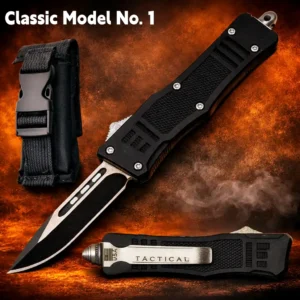
- OTF
- Out-the-front; a knife design where the blade moves forward from the front of the handle.
In this article
- 01 What a draw knife needs from its edge
- 02 Tools you can use for sharpening
- 03 How to sharpen a draw knife step by step
- 04 1. Clean the blade first
- 05 2. Secure the tool safely
- 06 3. Match the existing bevel
- 07 4. Remove nicks and dull spots
- 08 5. Hone the edge
- 09 6. Finish with a strop
- 10 How sharp should a draw knife be?
- 11 Mistakes that shorten edge life
- 12 Choosing a draw knife for easier maintenance
- 13 Safety and responsible handling
- 14 Practical FAQ
- 15 How often should I sharpen a draw knife?
- 16 Can I sharpen a draw knife with a file?
- 17 What is the biggest mistake beginners make?
- 18 How do I know when the edge is ready?
- 19 Is a sharper edge always better?
- 20 Final thoughts
If you want a draw knife to work cleanly, the edge needs to be sharp, even, and matched to the way the tool is used. The quickest way to sharpen a draw knife is to flatten the bevel with a fine sharpening stone or file, then refine it with progressively finer abrasives until the edge feels smooth and cuts without tearing the wood. A well-sharpened draw knife should shave thin curls with light pressure, not force, and it should feel controlled in both hands.
What a draw knife needs from its edge
A draw knife is used for shaping wood by pulling the blade toward you. Because of that motion, the edge must be keen enough to slice fibers cleanly, but strong enough to hold up during repeated use. Most draw knives have a bevel on one side and a flat back or a slight bevel on the other, depending on the design. The goal is not to create a razor-thin edge that chips easily. Instead, you want a durable working edge that removes material smoothly.
If the blade is dull, you will notice more effort, rougher cuts, and a tendency for the tool to skip or grab. That can make the work less precise and less comfortable. For retailers and wholesale buyers, this matters because a sharp, ready-to-use draw knife is easier to sell and easier for customers to trust when they open the package.
Tools you can use for sharpening
You do not need an elaborate sharpening station to maintain a draw knife. A few reliable tools are usually enough.
- Coarse and fine sharpening stones for edge refinement
- Diamond stones for faster material removal on worn edges
- Flat file for restoring a damaged edge before honing
- Leather strop or finishing compound for final polishing
- Clamps or a bench vise with padding to hold the tool securely
Some users prefer water stones, while others like diamond plates for speed and consistency. The best choice depends on how much sharpening is needed and how much control you want. For a lightly used tool, a fine stone and strop may be enough. For a neglected blade, start with a file or a coarser surface first.
How to sharpen a draw knife step by step
1. Clean the blade first
Wipe away resin, dirt, and rust before you begin. A dirty blade can hide the true condition of the edge and clog your sharpening surface. If there is light rust, remove it carefully so you do not change the shape of the bevel more than necessary.
2. Secure the tool safely
Clamp the draw knife so the edge is stable and easy to reach. Work slowly and keep your fingers away from the cutting edge. A secure setup helps you maintain a consistent angle and reduces the chance of slipping.
3. Match the existing bevel
One of the most common mistakes is changing the bevel angle too much. Start by finding the angle already on the blade. If the edge is heavily worn, you may need to restore the bevel, but when possible, follow the original shape. Consistency matters more than trying to make it look perfect.
4. Remove nicks and dull spots
If the edge has small chips or dents, use a coarse stone or file to work them out gradually. Do not press hard in one spot. Instead, make even strokes along the edge until the damaged area blends into a continuous line. This is the stage where patience saves time later.
5. Hone the edge
Once the edge is even, move to a finer stone. Use steady strokes and keep the angle consistent. Many users work in controlled passes from heel to tip, checking often for a smooth burr on the opposite side. That burr tells you the edge has reached the other side and is ready for refinement.
6. Finish with a strop
A strop helps remove the tiny burr and leaves the edge cleaner. This final step can make a noticeable difference in how the draw knife feels on wood. The edge should not just look bright; it should glide through test material with minimal resistance.
How sharp should a draw knife be?
A draw knife should be sharp enough to cut cleanly without crushing the wood fibers. A practical test is to shave a light curl from soft wood or make a controlled pass on a scrap piece. If the blade leaves a smooth surface and requires only moderate hand pressure, it is in good shape. If it feels like it is scraping instead of slicing, it needs more honing.
For general woodworking, many users prefer a slightly durable edge rather than an ultra-fine one. That balance is especially useful for production settings, shop demos, and resale inventory where a tool may be handled by different users with different experience levels.
Mistakes that shorten edge life
Several common errors can make sharpening less effective or shorten the life of the edge.
- Using too much pressure, which can round the edge or create uneven wear
- Changing angles mid-stroke, which creates a weak, inconsistent bevel
- Skipping grit levels, which leaves scratches and a rough cutting edge
- Ignoring rust or nicks, which prevents a true sharpened line
- Over-polishing, which can make some working edges feel too slick for practical use
Another mistake is assuming a blade is ready just because it looks shiny. A polished edge is not always a useful edge. The real test is how it performs on wood.
Choosing a draw knife for easier maintenance
If you are buying for a store, workshop, or wholesale program, edge maintenance should be part of the buying decision. Look for a blade with consistent steel quality, a comfortable handle design, and a bevel that is easy to reproduce during sharpening. A tool that arrives with a predictable edge is easier for customers to maintain and more likely to earn repeat business.
Wholesale buyers often compare not only price but also finish quality, packaging, and how much post-purchase prep is needed. A draw knife that sharpens cleanly and holds an edge well can reduce returns and improve customer satisfaction. If you also carry other specialty cutting tools, you may want to browse the OTF and auto knife wholesale category for related inventory options that appeal to outdoor and tool customers.
Safety and responsible handling
Sharpening edges is safer when the tool is stable, the workspace is clear, and your hands stay out of the path of the blade. Store sharpened tools with edge protection, and keep them away from children and untrained users. If you sell or distribute draw knives, include simple care guidance so customers know how to store and maintain them properly. For laws or local restrictions related to edged tools or transport, verify current rules in your area before selling or carrying them.
Practical FAQ
How often should I sharpen a draw knife?
That depends on how often it is used and what kind of wood it cuts. Light maintenance with a strop or fine stone can be done whenever the edge starts to feel less responsive. Full sharpening is usually needed when the blade begins tearing fibers or requires noticeably more force.
Can I sharpen a draw knife with a file?
Yes, a file can be useful for restoring a damaged or very dull edge. It is best used before finer honing steps. After filing, finish with a stone or similar abrasive so the edge is smooth and ready for use.
What is the biggest mistake beginners make?
The biggest mistake is not matching the original bevel. If the angle changes too much, the edge may cut poorly or wear down faster. Slow, even strokes are usually better than aggressive grinding.
How do I know when the edge is ready?
A ready edge feels smooth on the stone, shows an even line along the blade, and cuts a test piece with controlled effort. You should not need to force it through the wood.
Is a sharper edge always better?
Not always. For real working use, the best edge is one that balances sharpness with durability. A slightly tougher edge often performs better than an overly delicate one.
Final thoughts
Sharpening a draw knife is mostly about consistency: clean the blade, match the bevel, remove damage carefully, and finish with fine honing. When done well, the tool feels easier to control and produces cleaner cuts. For buyers and resellers, that same reliability is part of what makes a tool easier to recommend. If you are sourcing inventory for a store or online catalog, you can also send an inquiry through our wholesale inquiry form to discuss product availability and bulk purchasing options.