

How to Use a Knife Sharpening Stick: A Practical Guide for Safer, Cleaner Edges


Short answer
Learn how to use a knife sharpening stick correctly, choose the right angle, avoid common mistakes, and keep blades performing well for home, retail, and wholes
In this article
- 01 What a sharpening stick actually does
- 02 How to use a knife sharpening stick step by step
- 03 1. Set the angle
- 04 2. Use light pressure
- 05 3. Draw the blade along the stick
- 06 4. Check progress often
- 07 Common mistakes that reduce performance
- 08 How to choose the right sharpening stick
- 09 Safety and care tips that matter
- 10 When a sharpening stick is enough, and when it is not
- 11 FAQ about using a knife sharpening stick
- 12 How often should I use a sharpening stick?
- 13 Can a sharpening stick sharpen a very dull knife?
- 14 Is a sharpening stick the same as a honing rod?
- 15 What is the safest angle to use?
- 16 Can wholesale buyers source sharpening tools along with knives?
- 17 Final thoughts
A knife sharpening stick is used by holding the blade at a steady angle and drawing each side of the edge along the stick with light, even pressure. The goal is not to grind away a lot of metal, but to realign and refine the cutting edge so the knife feels sharper and more controlled. If you want better results with less guesswork, the most important habits are consistency, gentle pressure, and patience.
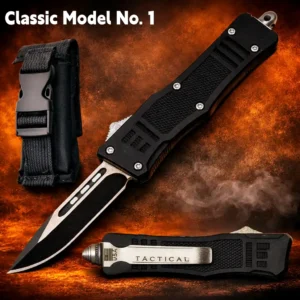
For shoppers, store buyers, and resellers, a sharpening stick is one of the simplest tools to explain and sell because it works for everyday kitchen maintenance, display demos, and basic edge care. It is also a good companion product for anyone sourcing knives through wholesale channels, since customers often want a complete care routine, not just the blade itself. If you also carry automatic knives or related gear, you can pair education with product selection through the OTF and auto knife wholesale category.
What a sharpening stick actually does
Many people expect a sharpening stick to “make a dull knife sharp” in one pass, but that is not usually its main job. In day-to-day use, the edge of a knife can bend slightly or become uneven from normal cutting. A sharpening stick helps restore that edge alignment and can improve cutting performance without aggressive grinding. On some blades, especially those that are only mildly dull, it can make a noticeable difference right away.
There are different types of sticks, including ceramic, steel, and diamond-coated versions. Each behaves a little differently:
- Ceramic sticks are popular for fine edge maintenance and light sharpening.
- Steel honing rods are often used to realign an edge more than remove metal.
- Diamond-coated sticks cut faster and can handle more dullness, but they remove more material.
For retail buyers, that difference matters because customers often use the wrong tool for the condition of the blade. A ceramic stick is a good general-purpose choice for many kitchen knives, while a diamond-coated option may suit tougher maintenance needs.
How to use a knife sharpening stick step by step
Before you begin, make sure the blade is clean and dry, the work surface is stable, and your hands are clear of the edge path. Good lighting helps, especially for buyers teaching customers how to care for knives at home.
1. Set the angle
Hold the knife at a consistent angle against the stick. For many kitchen knives, a moderate angle works well, though the exact angle depends on the blade style and steel. The key is not chasing a perfect number every time; it is keeping the angle steady from stroke to stroke. A wobbling angle can make the edge uneven and reduce the benefit of the tool.
2. Use light pressure
Let the stick do the work. Pressing hard does not usually improve results and can damage the edge or wear the stick unevenly. A smooth, light touch is better for control and repeatability. If the knife is very dull, several gentle passes are safer and more effective than a few forceful ones.
3. Draw the blade along the stick
Move the knife from heel to tip in a controlled motion, covering the full length of the edge. Repeat on the other side of the blade so the edge stays balanced. Many users alternate sides after each pass, while others complete a few passes on one side before switching. Either method can work as long as the angle and pressure stay consistent.
4. Check progress often
After a few passes, test the knife on a soft food item or by observing how it cuts through paper or similar material. Avoid overworking the blade. If the knife is improving, stop and clean the edge rather than continuing until it is over-refined.
Common mistakes that reduce performance
The biggest errors are usually simple ones. They are easy to avoid once you know what to watch for.
- Using too much force: This can chip the edge or create an uneven finish.
- Changing angles mid-stroke: Inconsistent contact leads to inconsistent results.
- Using the wrong stick for the blade: A very dull blade may need a more aggressive abrasive than a basic honing stick.
- Skipping cleaning: Metal particles and residue can build up on the stick and reduce effectiveness.
- Over-sharpening: More passes are not always better; stop when the edge is performing well.
For wholesale buyers, these are useful talking points when evaluating customer education materials. A product that is easy to understand tends to generate fewer complaints and better repeat sales, especially for store shelves and online listings.
How to choose the right sharpening stick
If you are buying for home use, resale, or shop inventory, look at the blade types your customers actually own. The best choice depends on how the tool will be used.
- For kitchen knives: Ceramic or steel sticks are often the most approachable.
- For harder-working blades: A diamond-coated stick may be more versatile.
- For beginners: A comfortable handle and clear length markings help reduce mistakes.
- For retail displays: Durability and simple packaging can matter as much as performance.
It also helps to consider the rod length. A longer stick gives more room for safer, smoother strokes, which can be helpful for newer users. Handle grip, hanging storage, and surface texture are also worth checking before buying in volume.
Safety and care tips that matter
A sharpening stick should be used with the same care as any edged tool. Keep fingers behind the edge path, work slowly, and store the stick where it will not roll or fall. If the knife has chips, cracks, or severe damage, do not try to force a fix with basic maintenance alone. In that case, the blade may need professional attention or replacement.
After use, wipe the stick clean according to the material type. Ceramic and diamond surfaces can collect metal dust, while steel rods may need light cleaning and drying to prevent corrosion. Store the tool in a dry place and protect the surface from knocks or drops.
If you sell knives or related accessories, this kind of care guidance can help customers use products responsibly. It is also a practical way to reduce returns and build trust with buyers who want straightforward advice rather than hype.
When a sharpening stick is enough, and when it is not
A sharpening stick is usually enough for routine maintenance, slightly dulled edges, and quick touch-ups between more thorough sharpening sessions. It may not be enough for knives that are extremely dull, rolled badly, or damaged from improper use. In those cases, a more aggressive sharpening method may be needed before maintenance tools can do their job.
For distributors and store owners, that distinction is important. Customers are more satisfied when they understand that a sharpening stick is part of a care system, not a cure-all. Clear product descriptions and honest usage guidance can improve confidence and reduce confusion.
FAQ about using a knife sharpening stick
How often should I use a sharpening stick?
It depends on how often the knife is used. Many home cooks use one lightly before or after regular kitchen tasks, while heavier-use knives may need more frequent maintenance. The best approach is to stop when the edge starts to feel less precise, rather than waiting until it becomes severely dull.
Can a sharpening stick sharpen a very dull knife?
Sometimes, but not always. If the blade is only moderately dull, a more abrasive stick may help. If the edge is badly worn or damaged, a sharpening stick alone may not be enough.
Is a sharpening stick the same as a honing rod?
People often use those terms interchangeably, but the tools are not always identical. Some rods mainly realign the edge, while others remove more material and function more like sharpeners. Check the surface material and product description before buying.
What is the safest angle to use?
There is no single universal angle for every knife. A steady, moderate angle is usually more important than chasing a precise number. Always follow the knife maker’s guidance when available.
Can wholesale buyers source sharpening tools along with knives?
Yes. Many buyers prefer to source care accessories alongside blades so they can offer a more complete product lineup. If you are comparing options for resale or distribution, you can request more information through the wholesale inquiry form.
Final thoughts
Learning how to use a knife sharpening stick is mostly about control: keep the angle steady, use light pressure, and work evenly on both sides of the blade. Once that becomes habit, the tool is simple to use and easy to recommend. For customers, it means better everyday cutting performance. For retailers and wholesale buyers, it means a practical accessory that supports knife sales and helps customers care for what they buy.