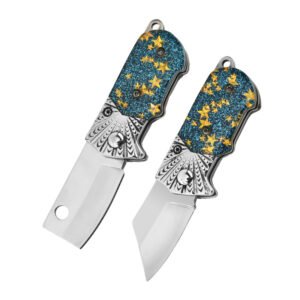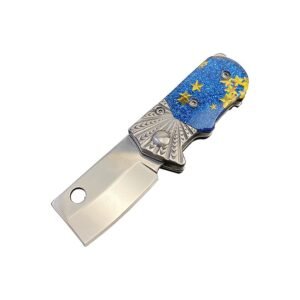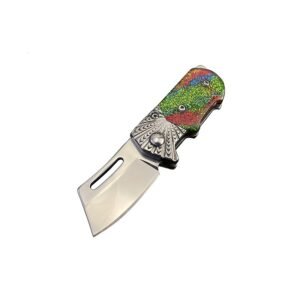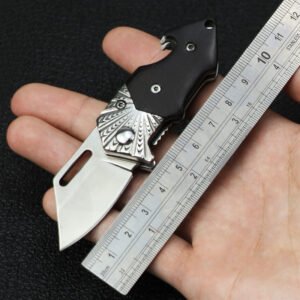


What Is a Good Pocket Knife Brand? A Practical Buyer’s Guide

Short answer
Learn what makes a good pocket knife brand, how to compare folding knives, and which features matter for retail and wholesale buyers.
In this article
- 01 What makes a pocket knife brand worth trusting?
- 02 The features that separate a strong brand from a weak one
- 03 Blade steel that matches the price
- 04 Locking system and opening action
- 05 Handle design and carry comfort
- 06 Brand reputation: what it really tells you
- 07 How to choose a good pocket knife brand for your customers
- 08 For everyday carry buyers
- 09 For utility and work use
- 10 For gift and impulse buyers
- 11 For wholesale and resale programs
- 12 Common mistakes buyers make when judging pocket knife brands
- 13 What a strong brand looks like in the real world
- 14 FAQ: what shoppers and buyers ask most often
- 15 Is a famous pocket knife brand always the best choice?
- 16 What is more important: blade steel or handle material?
- 17 Are budget pocket knife brands worth carrying?
- 18 How can wholesale buyers reduce returns?
- 19 Should I stock more premium knives or more affordable ones?
- 20 Final take: the best brand is the one customers keep using
A good pocket knife brand is one that consistently delivers reliable steel, solid construction, comfortable ergonomics, and honest value for the price. For most shoppers, the best brand is not the flashiest name on the box; it is the one that makes a folding knife you can carry, open, close, and trust day after day. If you are buying for a retail shop, online store, or wholesale program, the right brand should also offer steady supply, clear product tiers, and enough variety to serve different customers.
That means the answer depends on how the knife will be used. A ranch worker, an EDC customer, a collector, and a first-time buyer all want different things. The good news is that there are clear signs of a strong pocket knife brand, and once you know what to look for, it becomes much easier to choose models that sell well and satisfy customers.
What makes a pocket knife brand worth trusting?
The best pocket knife brands earn trust by being consistent. A single good model is nice, but a strong brand delivers dependable quality across multiple price points and styles. Buyers usually notice a brand for a few practical reasons:
- Consistent build quality: blades center well, locks engage properly, and handles feel stable in hand.
- Useful steel choices: the brand offers steels that match the knife’s price and purpose.
- Good ergonomics: the knife feels secure and comfortable for everyday carry.
- Reasonable fit and finish: smooth pivots, clean edges, and dependable assembly.
- Parts and warranty support: customers can get help if something goes wrong.
- Market recognition: shoppers already know and trust the name, which helps retail sell-through.
For wholesale buyers, consistency matters even more than prestige. A brand that produces one excellent knife but has unpredictable supply or uneven quality can create returns, complaints, and inventory headaches. A strong pocket knife brand should be able to support repeat orders and keep product standards steady.
The features that separate a strong brand from a weak one
When comparing folding knives, focus on the parts that affect everyday use rather than marketing language. A pocket knife brand can look impressive in photos but still disappoint in hand. These are the details that matter most.
Blade steel that matches the price
Steel choice should make sense for the knife’s cost and intended use. Entry-level knives often use steels that are easy to sharpen and affordable to produce. Higher-end models may offer better edge retention, toughness, or corrosion resistance. What matters is balance. A brand is stronger when it explains its steel choices clearly and uses them appropriately.
For example, a budget folding knife does not need premium steel to be a good purchase. It needs dependable performance and fair pricing. At the same time, a premium knife should offer more than just a fancy finish; buyers expect real improvements in materials and machining.
Locking system and opening action
A well-made pocket knife should open smoothly and lock securely. Customers often notice action right away, especially on assisted-open or one-hand-opening models. A good brand pays attention to the pivot, detent, and lockup so the knife feels controlled rather than loose or gritty.
For stores and distributors, reliable action reduces returns. It also helps your customers feel confident in the product when they handle it in person.
Handle design and carry comfort
The best pocket knife brand understands that a knife is carried more often than it is used. Handle shape, pocket clip placement, and overall weight all affect whether a customer actually keeps the knife in rotation. Good brands offer models in different sizes so buyers can choose between compact EDC options and larger utility knives.
Textured scales, secure grip zones, and rounded edges often make a bigger difference than decorative styling. Shoppers may admire a knife for its looks, but they keep it because it carries well.
Brand reputation: what it really tells you
Reputation matters, but it should be read carefully. A famous name may be dependable, yet newer brands can also offer excellent value. Rather than assuming the biggest brand is automatically the best, look at how the company performs across categories.
Ask practical questions:
- Does the brand make knives for both budget and mid-range buyers?
- Are the product descriptions specific about materials and dimensions?
- Do reviews mention long-term reliability, not just first impressions?
- Is the brand known for steady supply and repeatable quality?
For wholesale sourcing, brand reputation should also include fulfillment reliability. A popular pocket knife brand is useful only if you can actually get the models you need in stock. If you are building a retail display or online catalog, consistency in availability can matter as much as the knife itself. You can explore options in the folding knife wholesale category to compare styles and price levels.
How to choose a good pocket knife brand for your customers
The right brand depends on who is buying. A store that serves general outdoor customers may need a different mix than a shop focused on collectors or everyday carry enthusiasts. The best approach is to match the brand to the customer profile.
For everyday carry buyers
Look for compact, lightweight knives with dependable locks, pocket-friendly clips, and steels that are easy to maintain. EDC shoppers usually want convenience, not complexity. Brands that offer clean designs and practical blade shapes tend to perform well.
For utility and work use
Customers using a knife on the job often prefer durability, grip, and easy sharpening. They may care less about premium finishes and more about a knife that can handle repeated cutting tasks. Brands with rugged, no-nonsense designs often fit this audience well.
For gift and impulse buyers
Presentation matters here. A good brand in this segment offers attractive styling, recognizable naming, and a price that feels approachable. These knives should still be functional, but visual appeal and giftability can drive the sale.
For wholesale and resale programs
Buyers should think beyond the individual knife and look at the line as a whole. A strong brand for wholesale should offer a clear ladder of price points, enough variety to create assortment depth, and stable supply for reorders. It also helps if the brand has models that photograph well for online listings and display well in-store.
Common mistakes buyers make when judging pocket knife brands
Many first-time buyers focus on the wrong signals. Avoid these common errors:
- Choosing by appearance only: a stylish handle does not guarantee good function.
- Assuming high price means high quality: some expensive knives are more decorative than practical.
- Ignoring steel and lock details: these features affect long-term satisfaction.
- Overlooking carry comfort: a knife that feels bulky may stay in a drawer.
- Buying too many niche models: unusual designs can be harder to move in retail.
- Not checking local rules: knife laws vary, so buyers should verify local regulations before selling or carrying certain styles.
Another mistake is forgetting the end user. If your customers are looking for practical daily tools, a complicated or oversized knife may not be the best choice even if the brand name is strong.
What a strong brand looks like in the real world
Imagine two folding knives at similar price points. One has a vague steel description, rough action, and a handle that feels slippery. The other has a straightforward build, secure lockup, and a comfortable grip. The second knife is usually the better buy, even if the first one has more aggressive styling or a louder marketing message.
That is often the difference between a trendy product and a dependable pocket knife brand. Good brands do not just chase attention. They make products that solve a problem, feel right in the hand, and hold up over time. That is what customers remember when they come back for another knife or recommend one to a friend.
FAQ: what shoppers and buyers ask most often
Is a famous pocket knife brand always the best choice?
Not always. Famous brands often have strong reputations, but the best choice depends on the knife’s build, price, and intended use. A lesser-known brand can still offer excellent value if quality and consistency are strong.
What is more important: blade steel or handle material?
Both matter, but they affect the knife in different ways. Blade steel influences edge retention and maintenance, while handle material affects grip, comfort, and durability. A good brand balances both instead of overemphasizing one feature.
Are budget pocket knife brands worth carrying?
Yes, if they are made well and priced fairly. Many shoppers want an affordable knife for daily tasks, backups, or gifts. Budget brands can sell very well when they offer dependable performance and easy maintenance.
How can wholesale buyers reduce returns?
Choose brands with consistent quality, clear product specs, and reliable supply. It also helps to stock a balanced mix of sizes, price points, and styles so customers can choose what fits their needs.
Should I stock more premium knives or more affordable ones?
Most retailers do best with a mix. Affordable knives bring volume, while premium models can raise average order value and attract enthusiasts. A strong pocket knife brand often offers both.
Final take: the best brand is the one customers keep using
A good pocket knife brand is not just a name people recognize. It is a brand that makes folding knives with dependable materials, practical design, and consistent quality across its lineup. For shoppers, that means a knife that feels right to carry and use. For retailers, resellers, and distributors, it means products that move steadily and create fewer problems after the sale.
If you are building a lineup, start with brands that offer clear specs, sensible pricing, and dependable supply. Then compare how the knives feel, how they open and lock, and whether they fit the customers you actually serve. That practical approach will lead you to better products and better long-term results.