

What Is a Good Survival Knife? A Buyer’s Guide for Camping, Outdoor, and Wholesale Use

Short answer
Learn what makes a good survival knife, from blade steel and thickness to handle comfort, carry, and safety. Practical buying tips for shoppers and wholesale bu
Key Takeaways
- Separate carry-on rules, checked-bag rules, airline policy, and destination law before making a decision.
- Use current official guidance for travel questions; product descriptions alone are not enough.
- For resale, clear customer notes reduce confusion around travel, carry, and storage.
Terms Used Here
- Folding knife
- A knife with a blade that pivots into the handle for storage.
- Fixed blade
- A knife with a blade that does not fold or retract into the handle.
- Carry-on
- Items carried into an aircraft cabin rather than placed in checked baggage.
- Sheath
- A protective cover used to store or carry a knife safely.
In this article
- 01 What makes a survival knife worth buying?
- 02 Blade design: the practical details that matter
- 03 Blade length
- 04 Blade thickness
- 05 Blade steel
- 06 Blade shape
- 07 Handle comfort is not optional
- 08 Fixed blade or folding knife?
- 09 How to choose a survival knife for real-world use
- 10 What a good camping knife should do at camp
- 11 Common mistakes buyers make
- 12 Safety, storage, and legal awareness
- 13 How to close a folding survival knife safely
- 14 What about making one yourself?
- 15 Quick FAQ
- 16 What is the best survival knife size?
- 17 Is a thicker blade always better?
- 18 Should I choose stainless or carbon steel?
- 19 What is the best knife for camping and emergency use?
- 20 How do wholesale buyers decide what to stock?
- 21 The short answer
A good survival knife is one that feels dependable in your hand, holds up to hard outdoor use, and matches the way you actually camp, travel, or stock products for customers. For most buyers, that means a fixed-blade knife with a strong full-tang build, a practical blade length, a comfortable grip, and steel that balances edge retention with easy maintenance. The best choice is not the biggest knife on the shelf; it is the one that can safely handle food prep, rope cutting, feathering wood, and general campsite tasks without becoming awkward or fragile.
What makes a survival knife worth buying?
A survival knife should be more than a dramatic-looking blade. In real use, it needs to be versatile, durable, and simple to maintain. A good camping knife often overlaps with a survival knife, but survival models usually prioritize strength and reliability over finesse. Buyers should look for a knife that can handle repeated outdoor work, resist corrosion, and stay secure in a sheath.
For retail and wholesale buyers, the best sellers tend to have a clear purpose. Customers want a knife that looks capable, feels solid, and is easy to carry. If you are stocking for a store or online catalog, focus on models that offer broad appeal rather than niche styling. A survival knife with balanced proportions and dependable construction usually outsells a knife that is oversized or overly tactical.
Blade design: the practical details that matter
The blade is the heart of the knife, and a few design choices make a big difference.
Blade length
For most users, a blade around 3.5 to 5 inches is a smart range. It is long enough for camp tasks, but still manageable for controlled cutting. Very short blades can feel limiting, while very long blades can be harder to control and carry.
Blade thickness
Many shoppers ask how thick should a survival knife be. A useful general range is about 3/16 inch to 1/4 inch for a strong field knife, though the right thickness depends on the knife’s shape and intended use. Thicker blades can feel more robust for heavy-duty tasks, but they are not always better for slicing or detailed work. A well-designed blade with sensible thickness often performs better than an extremely thick one with poor geometry.
Blade steel
Steel choice affects edge retention, toughness, and rust resistance. Stainless steels are popular because they are easier to care for, especially for casual campers and resale customers who want low-maintenance gear. Carbon steels can be easier to sharpen and may offer excellent toughness, but they usually need more care to prevent corrosion. For wholesale buyers, it helps to stock a range that covers both easy-care stainless options and more traditional carbon-steel styles.
Blade shape
Drop-point blades are among the most versatile because they offer a strong tip and a controllable edge. Clip-point and spear-point designs can also work well depending on the knife’s intended use. The best survival knife usually avoids extreme shapes that look impressive but reduce everyday utility.
Handle comfort is not optional
A survival knife should feel secure when wet, cold, or muddy. Handle material matters, but so does the shape. A grip that is too slick can become unsafe, while a handle that is too angular can create hot spots during extended use. Buyers should look for a handle that fills the hand without feeling bulky.
Common handle materials include G10, Micarta, rubberized synthetics, wood, and textured polymers. Each has tradeoffs. Synthetic materials usually offer strong grip and weather resistance, while wood may appeal to customers who want a classic look. When you are choosing inventory for a store or distributor order, it is wise to carry both practical outdoor styles and more gift-friendly designs.
Fixed blade or folding knife?
For serious outdoor use, a fixed blade is usually the better survival knife. It is stronger, easier to clean, and more reliable under stress. Folding knives can be useful as everyday carry tools, but they are generally not the first choice for demanding camp or emergency work.
If a customer asks how to carry your survival knife everyday, the answer depends on local rules, the knife’s size, and the sheath or pocket clip design. In general, a compact fixed blade in a secure sheath or a legal folding knife may be more practical for daily carry. Always remind customers to verify local and state laws before carrying any knife in public.
How to choose a survival knife for real-world use
If you want to know how to choose a survival knife, start with the tasks the knife will actually do. A camper who mainly prepares food and cuts cordage needs a different balance than a buyer looking for a hard-use backcountry tool. Think about these factors:
- Primary use: camp chores, emergency preparedness, bushcraft, or general outdoor carry
- Maintenance level: low-care stainless or higher-maintenance carbon steel
- Grip comfort: secure in dry and wet conditions
- Sheath quality: retention, belt carry, and ease of access
- Price point: budget-friendly for beginners or premium for experienced users
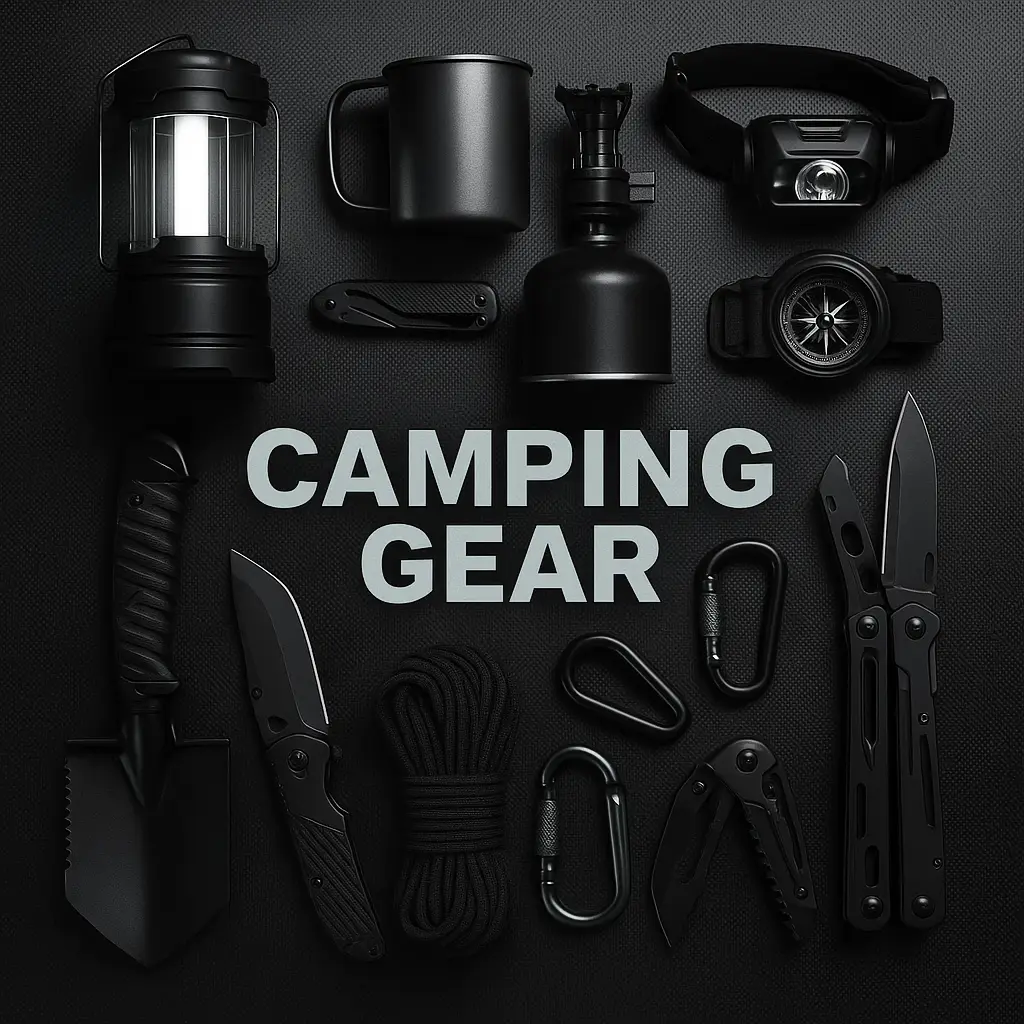
For wholesale buyers, these same criteria help narrow the catalog. A balanced mix of entry-level and mid-tier knives usually performs well because customers shop with different budgets and expectations. If you also sell broader outdoor products, pairing knives with items from your wholesale camping gear selection can increase average order value and make merchandising easier.
What a good camping knife should do at camp
A good camping knife should handle practical jobs without requiring special technique. That includes opening packaging, trimming cord, slicing food, shaving tinder, and making small adjustments to gear. It should not be so delicate that normal camp use feels risky.
People sometimes ask how to use a survival knife as if there is a single perfect method. In reality, the best approach is to use controlled pressure, keep the edge away from your body, and match the knife to the task. A survival knife is a tool, not a pry bar or hammer. Using it within reason helps it last longer and keeps the user safer.
Common mistakes buyers make
Shoppers often get distracted by size, aggressive styling, or extreme marketing claims. That can lead to poor choices. Watch for these common mistakes:
- Choosing a blade that is too large to control comfortably
- Ignoring handle ergonomics in favor of appearance
- Buying a knife with a weak sheath
- Overlooking rust resistance for humid or coastal environments
- Assuming thicker always means better
- Buying a knife that is hard to sharpen or maintain
Another mistake is treating a survival knife like a novelty item. Buyers who want repeat satisfaction usually prefer a tool that is practical first and attractive second.
Safety, storage, and legal awareness
Good ownership habits matter. Store knives securely, keep them clean and dry, and use a sheath or other protective cover when carrying or transporting them. If you are wondering can you bring a camping knife on a plane, the answer depends on current transportation rules and the exact knife type. In general, knives are restricted in carry-on luggage, but policies can change, so travelers should verify current airline and security guidelines before packing any blade.
If a knife is meant for everyday carry, buyers should also understand local restrictions on blade length, concealed carry, and where knives may be brought. Laws vary widely, and responsible sellers should encourage customers to check local rules before purchase or carry.
How to close a folding survival knife safely
If a product is a folding knife rather than a fixed blade, users should know how to close a survival knife carefully and deliberately. The exact mechanism varies by lock type, so the best guidance is to follow the manufacturer’s instructions for that specific model. The important point is to keep fingers clear of the blade path and avoid rushing the action. Safety features only work when they are used correctly.
What about making one yourself?
Some people search for how to make a survival knife or how to make survival knife projects online, but most shoppers are better served by buying a professionally made tool. A factory-produced knife offers more predictable steel quality, heat treatment, fit, and finish. That consistency matters for retailers and wholesale buyers because it reduces returns and builds customer trust.
For businesses, sourcing from a reliable supplier is often the smarter move than trying to evaluate custom or homemade blades. It is easier to compare specifications, stock replacement inventory, and offer customers a dependable warranty or product description.
Quick FAQ
What is the best survival knife size?
For many users, a blade between 3.5 and 5 inches is the most practical. It offers enough utility for camp tasks without becoming hard to control or carry.
Is a thicker blade always better?
No. A thicker blade can be stronger for certain tasks, but too much thickness can reduce cutting efficiency. Balance matters more than sheer bulk.
Should I choose stainless or carbon steel?
Choose stainless if you want easier maintenance and better corrosion resistance. Choose carbon steel if you are comfortable with more care and want a traditional feel or easy sharpening.
What is the best knife for camping and emergency use?
A strong fixed blade with a comfortable handle, reliable sheath, and versatile blade shape is usually the most practical choice.
How do wholesale buyers decide what to stock?
Focus on broad-use designs, dependable materials, and price points that fit your customer base. A mix of compact carry knives and more rugged field models usually gives the best coverage.
The short answer
A good survival knife is strong, comfortable, easy to maintain, and suited to real outdoor use. The best one for your needs depends on blade length, thickness, steel, handle design, and how you plan to carry or store it. For shoppers, that means choosing a knife that feels trustworthy in hand. For retailers and distributors, it means stocking models that solve real problems and appeal to everyday buyers.