

What Is a Knife Bolster? A Practical Guide for Buyers and Retailers


Short answer
Learn what a knife bolster is, how it affects balance, safety, and durability, and what wholesale buyers should check when sourcing knives.
In this article
- 01 What a bolster does on a knife
- 02 What is knife bolster construction made of?
- 03 How a bolster changes balance and handling
- 04 Bolster vs. guard vs. full tang: what buyers should know
- 05 Common bolster styles you will see
- 06 Why the bolster matters to retailers and resellers
- 07 What to check when sourcing knives with bolsters
- 08 Common mistakes buyers make
- 09 How to explain a bolster to customers simply
- 10 FAQ about knife bolsters
- 11 Is a bolster necessary on every knife?
- 12 Does a bolster make a knife safer?
- 13 Are forged bolsters better than attached bolsters?
- 14 What should wholesale buyers ask about a bolster?
- 15 How do I care for a knife with a metal bolster?
A knife bolster is the thickened section between the blade and the handle, usually made from metal, that adds strength, balance, and a cleaner transition where the knife meets the grip. In simple terms, it helps reinforce the knife and can improve how it feels in the hand. For shoppers and wholesale buyers alike, the bolster is one of those small details that can tell you a lot about a knife’s build quality, comfort, and intended use.
What a bolster does on a knife
The bolster is more than decoration. On many knives, it serves several practical purposes at once. It can strengthen the junction where the blade and handle meet, help shift the balance point, and protect the handle material from wear over time. On some styles, especially traditional kitchen knives and certain folding knives, the bolster also gives the knife a more finished look and a more secure feel in hand.
Depending on the design, a bolster may be a separate piece attached during manufacturing or it may be integrated into the blade or handle construction. The exact form varies by knife type, but the role is usually the same: support, balance, and durability.
What is knife bolster construction made of?
Most bolsters are made from metal because they need to withstand repeated handling and daily use. Common materials include stainless steel, brass, nickel silver, and other alloys. Some premium knives use forged bolsters, where the blade and bolster are shaped together from a single piece of steel. Others use fitted bolsters attached to the handle assembly.
Material choice affects both appearance and performance. A polished stainless bolster can offer a clean, modern look and easier maintenance. Brass or nickel silver may be chosen for a more traditional style. For buyers comparing wholesale options, it helps to look beyond the finish and ask how the bolster is made, how it is secured, and whether it complements the handle material.
How a bolster changes balance and handling
One of the biggest reasons people notice a bolster is balance. A well-designed bolster can move the knife’s balance point slightly forward or back, which changes how the knife feels during everyday use. In kitchen knives, a bolster may create a more controlled, substantial feel. On pocket knives, it can add structure without making the knife awkward in the hand.
That said, more metal is not always better. A very heavy bolster can make a knife feel front-heavy or tiring to use, especially if the blade is already substantial. For retail buyers and distributors, the best choice depends on the target customer. Some shoppers want a sturdy, traditional feel; others prefer a lighter knife with a slimmer profile.
Bolster vs. guard vs. full tang: what buyers should know
People sometimes confuse the bolster with other structural features. A bolster is the thick section at the blade-handle junction. A guard is a separate protective feature, often seen on outdoor, tactical, or combat-style knives, that helps keep the hand from sliding forward. A full tang means the blade steel extends through the handle, which can improve strength and durability, but it is not the same thing as a bolster.
These features can overlap in conversation, but they are not interchangeable. A knife may have a bolster and a full tang, a bolster without a guard, or no bolster at all. When reviewing product specs, it helps to separate these terms so you can compare products accurately.
Common bolster styles you will see
Knife bolsters come in several styles, and the look often tells you something about the knife’s category and intended customer.
- Full bolster: Extends across the width of the handle end and creates a substantial transition from blade to grip.
- Partial bolster: Covers only part of the junction and may reduce weight while keeping some reinforcement.
- Forged bolster: Formed as part of the blade or knife body, often found on higher-end kitchen knives.
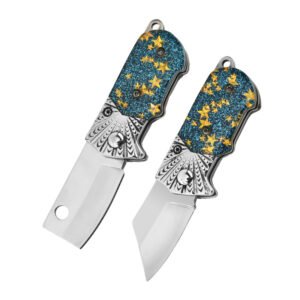
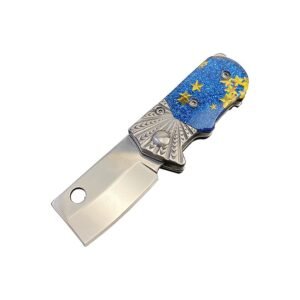
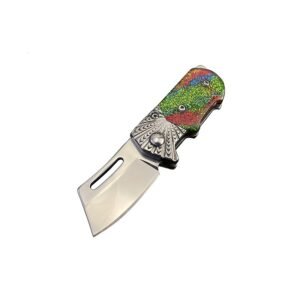
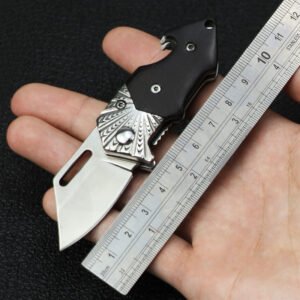
- Decorative bolster: Emphasizes appearance as much as function, common on collectible or traditional knives.
For wholesale buyers, style matters because it affects customer perception. A forged bolster can signal premium construction, while a simpler partial bolster may suit value-focused buyers or high-volume retail programs.
Why the bolster matters to retailers and resellers
Customers may not always know the technical term, but they notice the effect. A knife with a solid bolster often feels more substantial and “finished” in the hand, which can influence buying decisions at retail. For online sellers, the bolster can also be a useful product detail to highlight in descriptions because it helps explain balance, comfort, and construction quality.
If you source knives for a store, marketplace, or distribution channel, it is smart to evaluate the bolster alongside blade steel, handle material, and locking mechanism. A knife with a well-made bolster can stand out in photos and in person, especially in categories where buyers compare fit and finish closely.
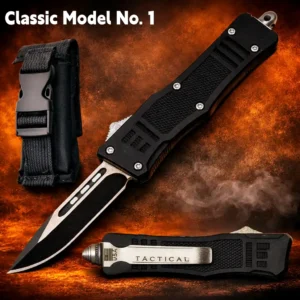
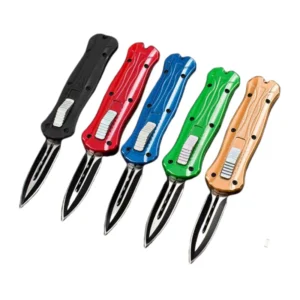
When building inventory, some buyers look for a broad mix of styles. If you carry automatic or OTF models alongside other knife categories, you can review options in the OTF and automatic knife wholesale category to compare construction features and match the right product to your customers.
What to check when sourcing knives with bolsters
For wholesale purchasing, a bolster should be evaluated as part of overall build quality. Here are practical points to review before placing an order:
- Fit and finish: The bolster should meet the blade and handle cleanly, without gaps, sharp edges, or uneven polishing.
- Weight distribution: Make sure the knife feels balanced for its intended use and does not feel overly heavy at the front or rear.
- Corrosion resistance: In humid or high-touch retail environments, material and finish matter.
- Handle transition: The bolster should create a comfortable grip without pinching or hot spots.
- Consistency across units: When ordering in volume, sample multiple pieces to check whether the build is uniform.
If your business needs bulk pricing, private-label options, or product selection help, a direct wholesale conversation can save time. You can start with the wholesale inquiry form to request details that fit your sales channel.
Common mistakes buyers make
One common mistake is assuming a heavier bolster automatically means a better knife. In reality, the right bolster should suit the knife’s purpose. Another mistake is focusing only on appearance. A polished bolster may look premium, but if the transition feels awkward or the knife is poorly balanced, customers may not be satisfied.
Buyers also sometimes overlook maintenance. While bolsters are generally durable, they can show fingerprints, scratches, or tarnish depending on material and finish. Retailers should be ready to explain simple care: wipe the knife dry after use, store it properly, and avoid abrasive cleaning that can damage polished surfaces. For local legal rules about carrying or owning certain knives, customers should always verify current regulations in their area.
How to explain a bolster to customers simply
If you sell knives, a clear explanation helps reduce confusion and builds trust. A simple way to describe it is: “The bolster is the reinforced section where the blade meets the handle. It adds strength, can improve balance, and gives the knife a more solid feel.” That explanation is accurate, easy to understand, and useful for both in-store staff and online product pages.
For shoppers comparing two similar knives, the bolster may be one of the details that helps them choose. Some will prefer a knife with a pronounced bolster for a traditional feel. Others may want a lighter knife with a slimmer junction for easier handling. The best choice depends on comfort, use case, and personal preference.
FAQ about knife bolsters
Is a bolster necessary on every knife?
No. Many knives work well without a bolster. It is a design feature that can improve strength, balance, and appearance, but it is not required for every style.
Does a bolster make a knife safer?
It can improve grip security and help protect the handle area, but safety still depends on the overall design, proper handling, and responsible use. No single feature makes a knife safe in every situation.
Are forged bolsters better than attached bolsters?
Not always. Forged bolsters are often associated with higher-end construction, but a well-made attached bolster can still perform very well. The real question is how cleanly the knife is made and how it feels in hand.
What should wholesale buyers ask about a bolster?
Ask about material, construction method, finish, consistency, and whether the bolster changes the knife’s balance in a way that suits your customers. Those details help you judge quality and market fit.
How do I care for a knife with a metal bolster?
Keep it clean and dry, wipe it after use, and store it in a way that avoids scratches. If the finish is polished, gentle care will help it stay presentable longer.
Understanding what a knife bolster is makes it easier to compare products, explain value to customers, and choose inventory that fits your market. Whether you are buying for a retail shelf, an online store, or a distribution program, the bolster is one of the small details that can make a knife feel more refined, more durable, and more comfortable to use.