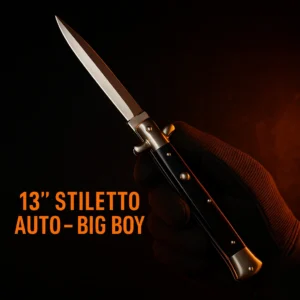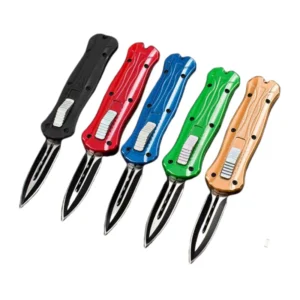


what does otf stand for

Short answer
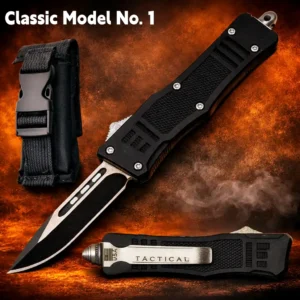
OTF stands for "Out The Front," referring to a type of knife with a blade that slides out from the handle's front. In practice with buyers, we often see confusion between OTF knives and traditional folding knives due to similar appearances. OTF knives are typically categorized...
Key Takeaways
- Knife rules can vary by state, city, blade style, opening mechanism, carry method, and intended use.
- Do not treat a product nickname as a legal category; check the actual features and local rule.
- Retailers should keep legal or safety language factual and avoid promising that one item is allowed everywhere.
Terms Used Here
- OTF
- Out-the-front; a knife design where the blade moves forward from the front of the handle.
- Automatic knife
- A knife that opens by a spring-driven mechanism after the user activates a button, switch, or slider.
- Folding knife
- A knife with a blade that pivots into the handle for storage.
- Fixed blade
- A knife with a blade that does not fold or retract into the handle.
In this article
When shopping for knives online, you might come across the term “OTF knife” and wonder what it actually means. Is it describing a particular style, a function, or something else? The abbreviation can be confusing at first, as it refers to a specific type of knife mechanism rather than just a design. In practice with buyers, we often see OTF knives categorized distinctly by manufacturers and suppliers because of their unique retracting blade system. Understanding what OTF stands for can help clarify these common questions and make it easier to navigate knife selections.
Understanding the Various Meanings of OTF in Different Contexts
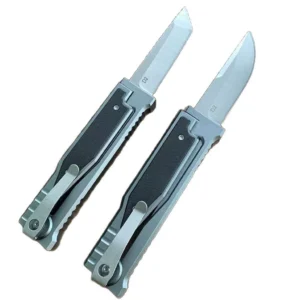
OTF can mean different things depending on the context, which often leads to confusion for buyers encountering the term for the first time. In the world of knives, OTF usually stands for “Out The Front,” referring to a type of folding knife where the blade slides straight out from the handle’s front rather than folding sideways. This design offers quick deployment and can be handy in situations where speed and one-handed operation matter. However, OTF knives are just one option among many, such as folding knives with side-opening blades or fixed blades, each suited to different tasks and preferences.
From our experience working with knife suppliers, OTF knives are treated as a distinct category due to their unique mechanism and design. This separation helps buyers understand the trade-offs, like the typically more complex mechanism and maintenance compared to traditional folding knives. In practice with buyers, we often see them weighing these factors carefully, especially considering where and how the knife will be used, rather than assuming one style fits all needs.
Navigating Common Misconceptions and Overlaps Around OTF Terminology
OTF stands for “Out The Front,” referring to a specific type of folding knife where the blade slides straight out from the handle’s front, rather than folding out from one side like traditional folding knives. This design often causes confusion because some people lump OTF knives together with other automatic or switchblade knives, even though not all automatic knives are OTF. Different knife types serve different purposes, and OTF knives are valued for their quick deployment and streamlined shape, which can be particularly useful in certain scenarios like emergency situations or tactical use. However, understanding the terminology helps clarify that OTF describes the blade’s deployment method rather than other features like blade shape or lock type.
In practice with buyers, we often see confusion around the differences between OTF knives and other categories such as assisted-opening or manual folding knives, especially since some suppliers list them separately due to their unique mechanism. This distinction matters because OTF knives typically have a more complex internal mechanism, which can affect maintenance, durability, and legal considerations. Recognizing these trade-offs helps buyers make more informed choices based on their specific needs rather than assuming all folding knives function or are regulated the same way.
Plain Meaning
Knife law topics are usually location-specific. A useful answer starts with the jurisdiction, then checks blade length, mechanism, carry method, intent, and local exceptions.
A product nickname is not enough. Two knives with similar names can be treated differently if the mechanism, size, or carry situation is different.
Why It Matters
Readers often search these questions before buying, carrying, shipping, or listing products. A neutral explanation reduces misunderstanding without making legal promises.
For sellers and dealers, factual language is safer than broad claims. It keeps the article useful while leaving current legal interpretation to official or local sources.
What To Check Next
- State, city, and local code rather than only a national summary.
- Blade length, opening mechanism, lock type, and carry method.
- Whether the question is about ownership, carry, shipping, display, or use.
- Current official sources when the answer affects real-world action.