

what are paring knives used for

Short answer
Paring knives are small, versatile tools primarily used for peeling, trimming, and detailed cutting tasks in the kitchen. From our experience, buyers often confuse them with utility knives, though paring knives excel in precision work.
Key Takeaways
- Start with a mild method and increase pressure or abrasion only when the blade condition requires it.
- Edge angle, steel type, corrosion level, and handle material all affect the right care method.
- For wholesale assortments, simple care instructions help customers keep knives useful longer.
Terms Used Here
- OTF
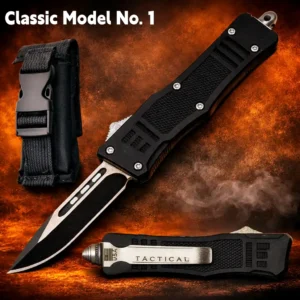
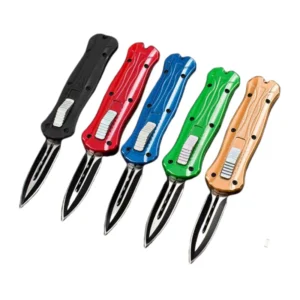
- Out-the-front; a knife design where the blade moves forward from the front of the handle.
In this article
If you’ve ever browsed kitchen tools online, you might have noticed paring knives listed among other common cutlery but felt uncertain about their specific role. Paring knives are small, versatile blades designed primarily for tasks that require precision and control. In practice with buyers, we often see that their compact size and sharp edge make them a distinct category in both retail and wholesale settings, clearly differentiating them from larger chef’s knives or utility knives. Understanding what paring knives are used for can help clarify their place in everyday cooking and food preparation.
Understanding the Functional Role of Paring Knives in the Kitchen
Paring knives play a specific role in the kitchen that often causes some confusion for those new to cooking or knife selection. These small knives, usually with a blade of about 3 to 4 inches, are designed for precision tasks such as peeling fruits and vegetables, trimming, and intricate cutting where control is key. Unlike larger chef’s knives, paring knives allow you to work closely and delicately, which is essential when you need to remove blemishes or create garnishes. It’s important to recognize that while a paring knife excels in these detailed tasks, it’s not meant for chopping large quantities or heavy-duty cutting, where other knives would be more practical.
In practice with buyers, we often see that confusion arises because many assume one knife can handle all kitchen tasks, but the reality is that having different types of knives makes cooking more efficient and safer. For example, while a paring knife is perfect for tasks requiring precision, other types like utility knives or OTF (out-the-front) knives can be better suited for quick slicing or more versatile usage. Manufacturers and suppliers typically organize knives by function, with paring knives as a distinct category due to their unique role. Understanding this functional distinction helps home cooks choose the right tool for the right job, avoiding frustration and improving the cooking experience.
Clarifying Common Misconceptions Between Paring and Other Small Blades
Paring knives are often confused with other small blades like utility knives or boning knives, but each serves a distinct purpose in the kitchen. Paring knives are designed primarily for precision tasks such as peeling, trimming, and intricate cutting work on fruits and vegetables. Their small, sharp blades allow for control and detail that larger knives can’t provide. In contrast, utility knives tend to have longer blades and are more suited for general-purpose cutting, while boning knives have a flexible, narrow blade designed specifically for separating meat from bones. Understanding these differences helps in choosing the right tool for the task rather than assuming one small blade can do it all.
From our experience, confusion often arises because buyers expect a single knife to handle every small cutting job, but that’s rarely practical. Different knife types exist to meet different needs, and while paring knives excel at delicate work, other blades like OTF (out-the-front) knives—though less common in culinary use—are categorized separately for specific tasks outside the kitchen, such as tactical or utility applications. Knowing these trade-offs can save time and frustration, as each blade shape and size is optimized for particular cutting challenges rather than being interchangeable.
Plain Meaning
Knife care is best understood as a sequence: inspect, clean, dry, sharpen only if needed, then store safely. Skipping steps can make a simple issue harder to fix.
Rust removal, edge sharpening, handle care, and lubrication are different jobs. The right method depends on the steel, finish, edge condition, and how the knife is used.
Why It Matters
Many knife problems come from using too much force or the wrong tool. A mild method protects the blade and helps the reader understand what actually needs attention.
For product education, maintenance guidance also helps set realistic expectations around stainless steel, carbon steel, coatings, and storage habits.
What To Check Next
- Blade material and finish before using abrasives.
- Edge angle and blade shape before sharpening.
- Moisture, residue, and storage conditions after use.
- Whether the issue is cosmetic, functional, or safety-related.