

what is a paring knife

Short answer
A paring knife is a small, versatile kitchen tool with a sharp blade typically 2.5 to 4 inches long, ideal for peeling, trimming, and detailed cutting tasks. In practice with buyers, we often see confusion between paring knives and utility knives due to their similar size.
In this article
If you’ve ever shopped for kitchen knives, you might have come across the term “paring knife” and wondered what sets it apart from other knives. A paring knife is a small, versatile knife designed primarily for intricate tasks like peeling, trimming, and detailed cutting. From our experience, suppliers often list paring knives as a separate category due to their unique size and function, which helps buyers distinguish them from larger knives meant for chopping or slicing. Understanding what a paring knife is can clarify its practical role in everyday cooking.
Understanding the Role of a Paring Knife in the Kitchen
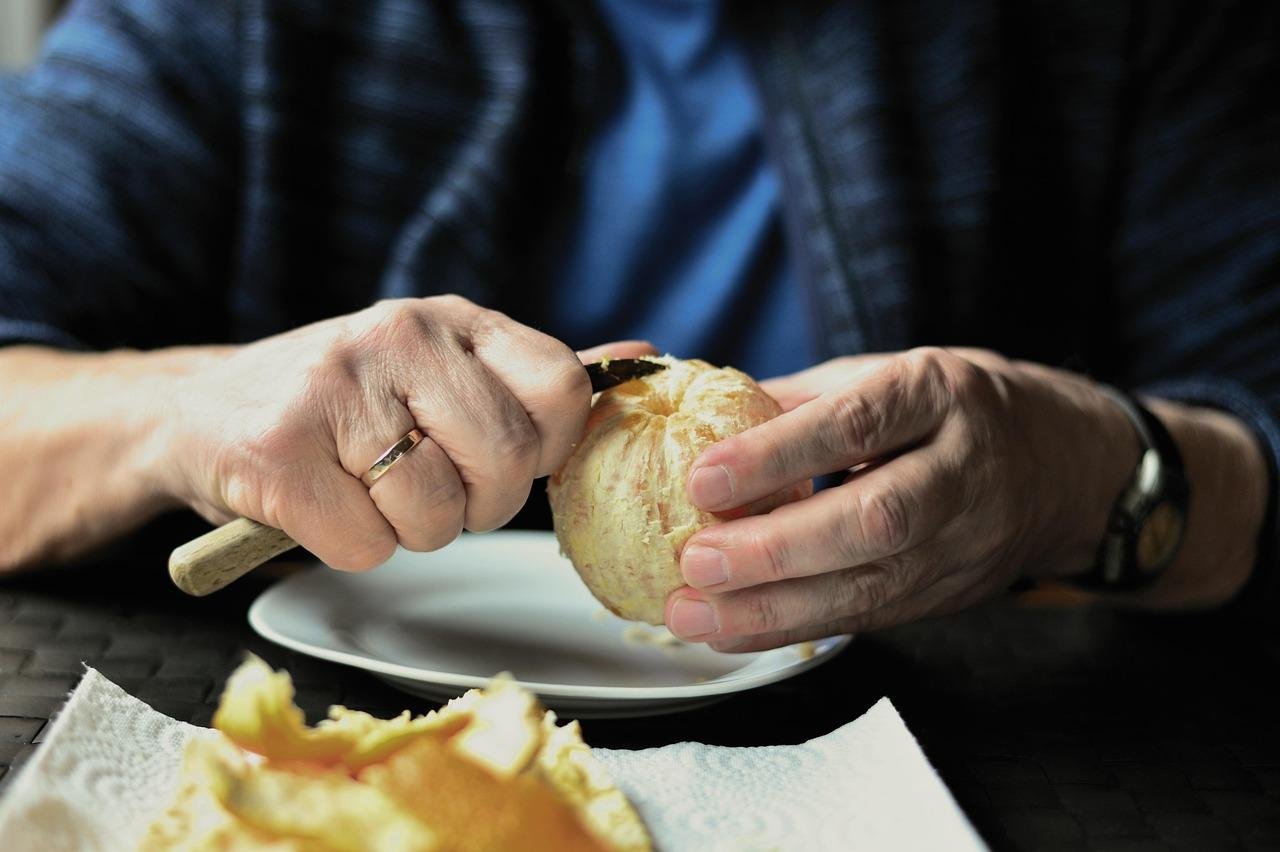
A paring knife is a small, versatile kitchen tool designed primarily for intricate tasks that require precision and control. Its short blade, typically around 3 to 4 inches long, makes it ideal for peeling fruits and vegetables, deveining shrimp, or trimming away unwanted parts. Unlike larger knives, a paring knife allows you to handle delicate work without risking too much pressure or damage to the food. Many people get confused about when to use a paring knife versus other small knives, such as utility knives, but the paring knife’s design specifically supports close, detailed work where accuracy is key.
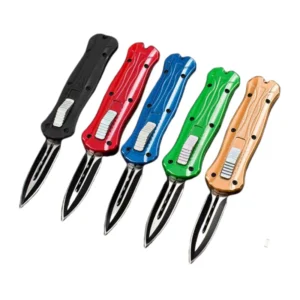
In the kitchen, you’ll find that different knives serve distinct purposes, and the paring knife fills the niche of small, precise cutting. From our experience with kitchen tools, we often see buyers initially unsure about how a paring knife fits alongside their chef’s knife or utility knife but eventually appreciate its unique role in tasks like coring, peeling, or segmenting. While paring knives are traditional fixed-blade tools, there are other niche options, like OTF (out-the-front) knives, which are categorized separately by manufacturers and suppliers due to their mechanical design and specific uses, though they are less common for typical kitchen prep. Understanding these differences helps clarify the trade-offs and match the right tool to the task at hand.
Clarifying Common Misconceptions Between Paring and Utility Knives
Paring knives and utility knives are often confused because they both handle smaller tasks in the kitchen, but they serve different purposes. A paring knife typically has a small, pointed blade that’s perfect for delicate tasks like peeling, trimming, or intricate cutting. Utility knives, on the other hand, tend to have a longer blade and are more versatile for general-purpose chopping, slicing, and cutting of medium-sized ingredients. The confusion arises because both knives operate in overlapping zones, but understanding the subtle differences helps in choosing the right tool for the job without overcomplicating your kitchen setup.
In practice with buyers, we often see that people expect one knife to do everything, which leads to frustration when a paring knife feels too small for some tasks or a utility knife feels too big for others. Different knife types exist to address these specific needs, and sometimes alternative options like OTF (out-the-front) knives come up in discussions for precise or compact cutting tools, although they belong to a separate category outside typical kitchen knives. Recognizing these distinctions can help clarify why having both a paring and a utility knife can make everyday cooking smoother and more efficient.