




What Is an EDC Knife? A Practical Guide for Everyday Carry Buyers

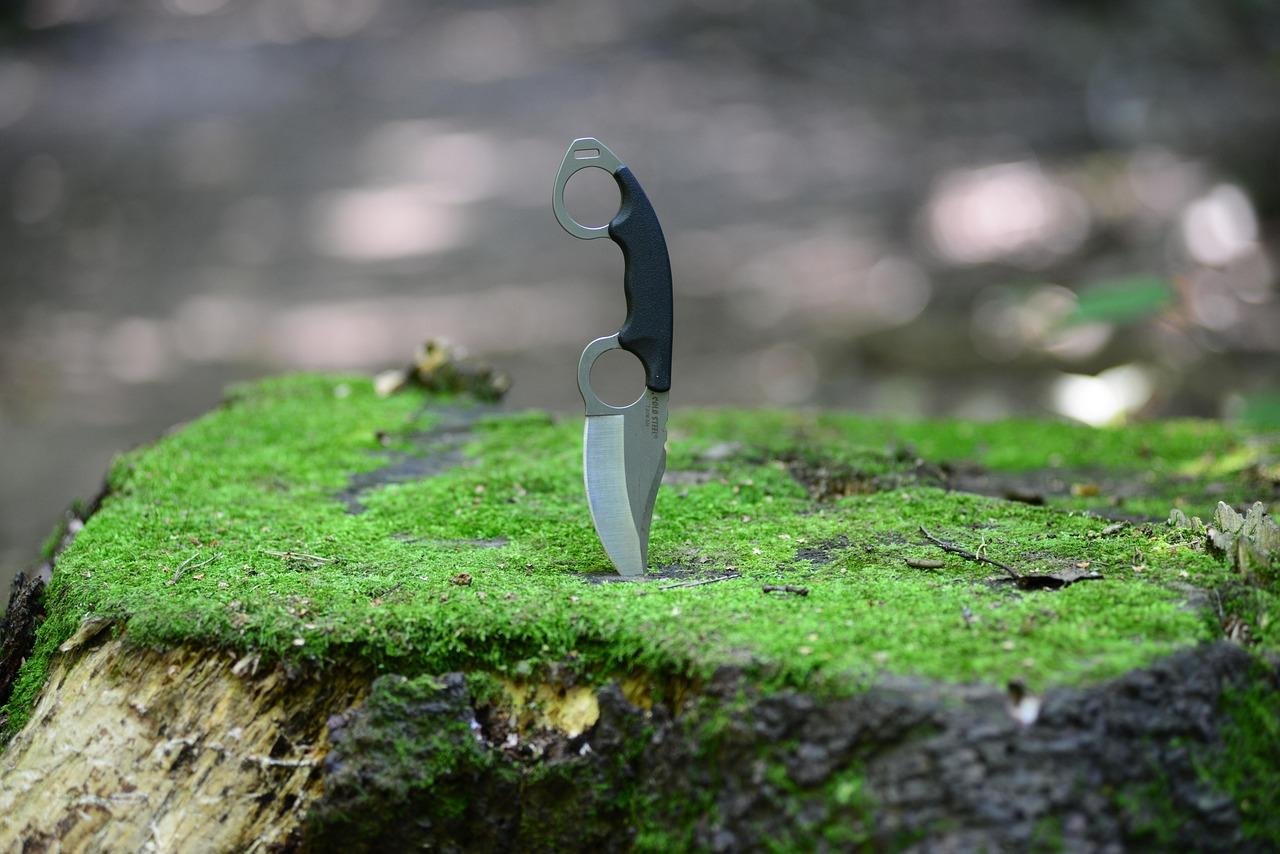
An EDC knife is a knife people carry every day for ordinary tasks like opening packages, cutting cord, breaking down boxes, trimming loose material, or handling small jobs at work or home. EDC stands for “everyday carry,” so the idea is simple: it should be compact, reliable, easy to carry, and ready when you need it.
For shoppers, that usually means a folding knife that balances size, blade shape, lock strength, and comfort in the pocket. For retail buyers, resellers, and wholesale distributors, it means stocking knives that feel practical to a wide range of customers rather than overly specialized. The best EDC knives are the ones people actually keep with them.
What makes a knife an EDC knife?
An EDC knife is not defined by one exact blade style or price point. It is defined by purpose. If a knife is small enough to carry routinely, useful for common cutting tasks, and dependable enough to become part of someone’s daily routine, it fits the EDC category.
Most EDC knives are folding knives because they are easier to pocket, safer to store when closed, and more convenient for daily use. Some people prefer slim, lightweight models for discreet carry. Others want a larger handle, a stronger lock, or a blade that handles heavier utility work. The “right” EDC knife depends on how it will be used.
Common traits of a good EDC knife
- Compact enough for pocket carry
- Easy to open and close with one hand, where allowed and appropriate
- Comfortable handle for repeated use
- Blade steel that suits everyday cutting tasks
- Secure lock mechanism
- Moderate blade length for utility work
- Low-maintenance design for daily convenience
How people actually use an EDC knife
Most EDC knives are used for practical, non-weapon tasks. That is one reason they are popular with workers, tradespeople, outdoor users, and general consumers. A good everyday carry knife can save time and make routine jobs easier.
Typical uses include opening mail and packaging, trimming zip ties, cutting tape, slicing rope or cord, preparing light materials on the job site, and handling small chores while traveling or camping. In a retail setting, these are the kinds of everyday benefits that help customers understand the value quickly.
For B2B buyers, the broad usefulness of EDC knives is what makes them strong shelf items. A model that works for office carry, home use, and light worksite tasks can appeal to multiple customer groups without needing a lot of explanation.
EDC knife features buyers should compare
When choosing an EDC knife for personal use or wholesale inventory, the details matter. Two knives may look similar online but feel very different in hand. The best buying decisions usually come down to a few practical features.
Blade shape
Drop point blades are common in EDC knives because they are versatile and easy to control. Tanto blades can appeal to customers who want a more angular look and a sturdier tip profile for certain tasks. Wharncliffe and sheepsfoot styles are also popular for controlled slicing and box work. If your customer base is broad, a classic drop point is often the safest all-around option.
Blade steel
Blade steel affects edge retention, corrosion resistance, and sharpening ease. Some buyers want a steel that resists rust well and needs less upkeep. Others prefer a steel that sharpens quickly and is forgiving for casual users. There is no single best answer, but it helps to think about the end user. Someone carrying a knife in humid conditions may value corrosion resistance more, while a user who prioritizes toughness may care about edge durability.
Handle material and grip
Handle material influences comfort, weight, and durability. G10, aluminum, stainless steel, FRN, and other modern materials each have different advantages. A textured grip can improve control, while a smoother finish may feel more refined in pocket carry. For wholesale assortments, offering a mix of handle styles can help cover both budget-conscious and premium shoppers.
Lock type
The lock should feel secure and intuitive. Common folding knife lock styles include liner locks, frame locks, button locks, and crossbar-style systems. Buyers should look for a lock that is easy to understand and suited to the knife’s intended use. For store owners and distributors, lock type can be a useful comparison point when explaining product differences to customers.
Size and carry comfort
An EDC knife should be convenient enough that people actually carry it. If it is too heavy, too bulky, or too large for the pocket, it may stay at home. On the other hand, some users want a larger handle for better control. The best choice depends on whether the customer values discreet carry, work utility, or a balance of both.
What shoppers often get wrong
Many first-time buyers focus on appearance alone. A knife may look aggressive, premium, or tactical, but that does not automatically make it a better everyday carry tool. The most common mistakes are usually practical ones.
- Choosing a knife that is too large for daily pocket carry
- Buying on looks without checking lock quality or grip comfort
- Ignoring local rules about blade length or carry restrictions
- Picking a steel that does not match the user’s maintenance habits
- Overlooking how the knife actually opens and closes in daily use
Another common mistake is assuming every customer wants the same thing. In wholesale and retail, a successful EDC lineup usually includes a range of sizes, finishes, and price points so customers can choose based on their own routine.
How to choose an EDC knife for retail or wholesale stock
If you are buying for a store, online shop, or distribution channel, think in terms of repeat demand. EDC knives sell best when they solve a familiar problem: a customer wants a knife that is useful, easy to carry, and not intimidating to own.
Look for models that offer clear value at different price levels. Entry-level options should feel dependable and easy to understand. Mid-range knives can add better materials, smoother action, or improved ergonomics. Premium items may focus on refined fit and finish, upgraded blade steel, or stronger brand appeal. Having a range helps you serve both casual buyers and enthusiasts.
It also helps to stock folding knives in styles that match common use cases. Many wholesale buyers build their assortment around everyday utility, outdoor carry, work carry, and giftable pocket knives. If you are sourcing inventory, the folding knife wholesale category is a practical place to compare everyday carry options that fit different customer segments.
Safety, storage, and responsible ownership
An EDC knife should be treated as a tool. Store it safely, keep it clean, and use it only for lawful, appropriate tasks. Buyers should also check local and regional rules before carrying any knife, since laws can vary by location and may change over time. Retailers and distributors can help customers by encouraging responsible ownership and reminding them to verify local regulations.
Simple care also matters. Wipe the blade after use, keep the pivot clean, and sharpen it when needed. A well-maintained EDC knife lasts longer and performs better, which is one reason these knives are such reliable repeat purchases for shops and wholesalers.
Frequently asked questions about EDC knives
Is an EDC knife always a folding knife?
Not always, but folding knives are the most common EDC choice because they are compact and easy to carry. Some people do use fixed blades for everyday tasks, but folding knives are generally more convenient for daily pocket carry.
What blade length is best for EDC?
There is no single best length for everyone. Many buyers prefer a blade that is large enough for practical tasks but still comfortable to carry. Local laws and personal preferences should guide the final choice.
What is the best EDC knife for beginners?
A beginner-friendly EDC knife is usually simple, comfortable, and easy to maintain. A dependable lock, a versatile blade shape, and a manageable size are often more important than flashy features.
Why do wholesalers stock so many different EDC knives?
Because customer preferences vary widely. Some buyers want lightweight pocket carry, others want a tougher work knife, and some want a giftable model with a premium look. A broad selection helps meet that demand.
How do I know if a knife is worth carrying every day?
Ask whether it feels comfortable in the pocket, opens smoothly, locks securely, and handles the tasks you actually do. If it is easy to carry and easy to trust, it is more likely to become a true EDC knife.
In the end, an EDC knife is simply a practical folding knife that earns its place in your pocket. The best ones are not the most complicated; they are the ones that fit the user’s routine, carry comfortably, and stay dependable over time. For shoppers and wholesale buyers alike, that combination is what turns a knife into a daily essential.