




Can You Bring a Pocket Knife on an Airplane? What Travelers and Buyers Should Know

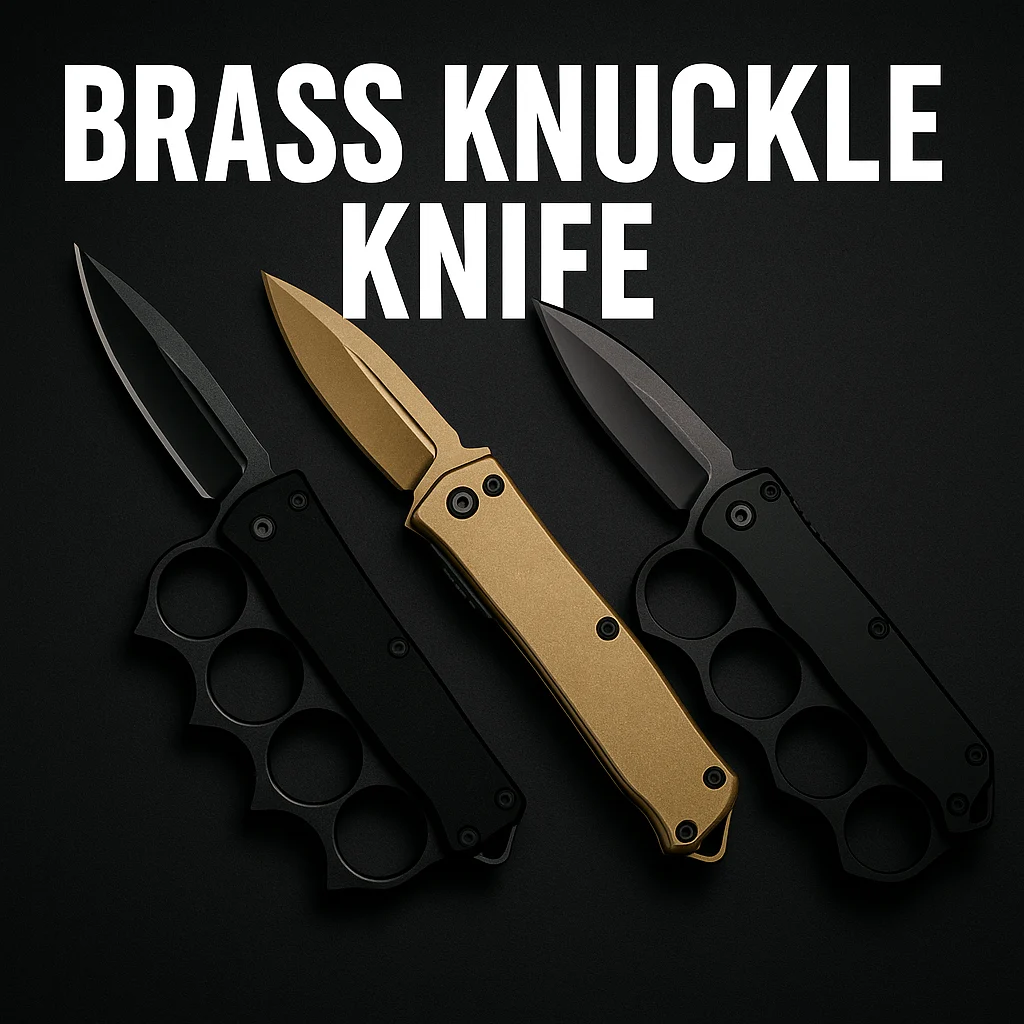
If you are flying in the United States, the short answer is usually no: you cannot bring a pocket knife in your carry-on bag, and it should be packed in checked luggage if it is allowed by your airline and local rules. That simple rule matters for travelers, retail buyers, and wholesale customers alike, because a knife that is perfectly normal for everyday carry can still be stopped at airport security. Before you pack one, it is always smart to confirm current TSA guidance, airline policies, and any destination-country or local laws.
Why pocket knives are handled differently at airports
Airport security is focused on keeping sharp objects out of the cabin where they could be used to threaten passengers or crew. Even a small folding knife can trigger a security issue if it is found in a bag at the checkpoint. That is why pocket knives are treated differently from many other everyday tools, such as nail clippers or small scissors with limited blade length.
For travelers, the practical takeaway is simple: do not assume a pocket knife is acceptable just because it folds or has a short blade. Security officers look at the item itself, not just how harmless it seems in daily use. If you are unsure, it is safer to leave it at home or pack it correctly in checked baggage after confirming the rules.
Carry-on vs. checked baggage
The most important distinction is where the knife is packed. In general, pocket knives are not permitted in carry-on bags through U.S. airport security. Checked baggage is typically the proper place for a knife, but even then there can be restrictions depending on the destination, airline, and local laws.
When packing a knife in checked luggage, use a secure sheath, case, or other protective storage so the blade cannot open accidentally and so baggage handlers are less likely to be injured. A folding knife should be closed, secured, and placed where it will not shift around loose with other sharp items.
If you are traveling internationally, do not rely only on U.S. rules. Some countries have stricter restrictions on blade length, locking mechanisms, or carrying knives in public. A knife that is legal to own may still cause problems at the border or in transit.
What travelers should check before packing a knife
Before you put any knife in your luggage, review a few basic points:
- Blade type: A standard folding pocket knife is different from a utility knife, assisted-opening knife, or fixed blade.
- Where you are flying: Domestic and international trips can have very different rules.
- Airline policy: Some carriers publish their own guidance for sharp objects.
- Local laws at your destination: Carrying rules can change from one city or state to another.
- How the knife is stored: A secure case in checked baggage is safer than a loose knife in a toiletry pouch or backpack.
For business travelers, outdoor sellers, and store buyers who carry sample inventory, it is worth having a standard packing process. That reduces the risk of losing merchandise at security and helps staff follow the same procedure every time.
Common mistakes that lead to problems at security
Many travelers get into trouble because they make assumptions. One common mistake is leaving a pocket knife in a backpack, laptop sleeve, or jacket pocket after a trip or workday. Another is packing it in a carry-on bag simply because it is small. Security screening catches items that are easy to forget, especially when a bag is used for both travel and everyday carry.
Other mistakes include packing a knife loosely so it can open during transit, carrying a knife with a blade that is larger than expected, or forgetting that a tool-like knife may still be treated as a prohibited sharp object. Even if the knife is inexpensive, it can still be confiscated or cause delays.
If you travel often, it helps to keep one bag dedicated to air travel and another for everyday carry. That way, a pocket knife is less likely to end up where it should not be.
What makes a pocket knife more travel-friendly from a buyer’s point of view
For retailers, distributors, and wholesale buyers, travel concerns can influence what sells best. Many customers want compact folding knives for everyday tasks, but they also want to avoid problems when they fly. While no knife should be marketed as “airport safe” for carry-on use, some features make a product more practical for general travel and storage.
Useful buyer criteria often include:
- Compact size: Smaller folded dimensions are easier to store securely in checked baggage or at home.
- Protective design: A reliable lock or solid closed position can reduce accidental opening during transport.
- Durable handle materials: G10, aluminum, stainless steel, and similar materials hold up well in daily use.
- Everyday utility: Blades suited for opening packages, cutting cord, or light general tasks often appeal to broad customers.
- Clear product details: Buyers want accurate blade length, lock type, and opening style before stocking inventory.
If you are sourcing for a store or online catalog, it is also smart to select folding knives with straightforward specifications and consistent build quality. That reduces customer confusion and returns, especially when shoppers compare models for work, travel, or EDC use. Our folding knife wholesale category is a useful place to review common styles and compare options for resale.
How to pack a pocket knife safely in checked luggage
If you have confirmed that your knife is allowed in checked baggage for your trip, pack it with care. The goal is to prevent accidental opening and protect both the knife and the people handling your luggage.
- Close the blade fully and confirm the lock is secure.
- Place the knife in a sheath, pouch, or rigid case if available.
- Store it in the center of the suitcase, away from the edges.
- Avoid loose placement with keys, tools, or other sharp objects.
- Keep documentation or product packaging only if it helps you identify the item later, especially for business travel.
For wholesale buyers who ship sample stock to trade shows or inspection points, the same care applies. Good packaging reduces damage and helps maintain a professional presentation when the product is unpacked.
Questions shoppers often ask before flying
Can I take a pocket knife through airport security if it is very small?
Usually no. Size alone does not make a pocket knife acceptable in a carry-on bag. If you are not sure, assume it is not allowed and verify current rules before traveling.
What if the knife is part of a multi-tool?
Multi-tools can still be restricted if they include a blade. Some travelers remove the blade or choose a blade-free version for flights, but you should check the exact item and current rules before packing it.
Can I mail a pocket knife to my destination instead?
Sometimes that is an option, but shipping rules vary by carrier and location. If you are a retailer or distributor, follow all shipping laws and carrier policies before sending knives to customers or event locations.
Is the rule the same in every country?
No. Knife rules can differ widely by country, region, and even venue. Always verify local regulations before you travel.
Practical advice for retailers and wholesale buyers
For business buyers, the travel question is more than a customer service issue. It can affect product selection, merchandising, and after-sale support. Shoppers often ask whether a knife is suitable for travel, camping, work, or everyday carry, so your team should be ready with clear, careful answers that avoid overpromising.
When choosing inventory, look for folding knives that are easy to describe accurately, have dependable construction, and fit the needs of a wide range of users. A balanced assortment can include compact everyday folders, heavier-duty work knives, and display-friendly models that appeal to both first-time buyers and experienced collectors. If your customers ask about air travel, the safest answer is to explain that pocket knives generally belong in checked baggage, not carry-on luggage, and that they should always confirm the latest rules before flying.
The bottom line
So, can you bring a pocket knife on an airplane? In most cases, not in your carry-on bag. If a knife is permitted at all, it generally needs to be packed in checked luggage and handled carefully. The details can vary by airline, country, and local law, so it is wise to verify current rules before every trip. For shoppers and wholesale buyers, the best approach is to choose well-made folding knives, store them responsibly, and give customers clear guidance so they can travel without surprises.