

How to Replace a Stanley Knife Blade Safely and Correctly

Short answer
Learn how to replace a Stanley knife blade safely, choose the right replacement, avoid common mistakes, and keep utility knives working properly.
In this article
- 01 Why blade replacement matters
- 02 Before you start: check the knife type
- 03 How to replace a Stanley knife blade step by step
- 04 What to look for in a replacement blade
- 05 Common mistakes to avoid
- 06 When to replace the blade instead of sharpening it
- 07 Storing knives and spare blades responsibly
- 08 FAQ
- 09 How often should a Stanley knife blade be replaced?
- 10 Can I use any utility blade in my knife?
- 11 What is the safest way to dispose of used blades?
- 12 Why does my new blade feel loose?
- 13 Is it better to buy blades individually or in bulk?
- 14 Final thoughts
If you need to replace a Stanley knife blade, the basic process is simple: make the knife safe, open the handle or blade compartment, remove the dull blade carefully, insert the correct replacement, and close everything securely before testing the lock. The exact steps vary by knife style, but the most important rules are the same every time: keep the blade pointed away from your body, work slowly, and use the correct replacement size for the tool.
Why blade replacement matters
A sharp utility knife cuts cleaner, requires less pressure, and is easier to control. A dull blade can snag on cardboard, vinyl, rope, or packaging film and may force the user to push harder than necessary. That extra pressure increases the chance of slips, damaged materials, and wasted time. For retail buyers, distributors, and shop owners, keeping replacement blades on hand also helps reduce downtime and avoids sending workers or customers home with a tool that no longer performs well.
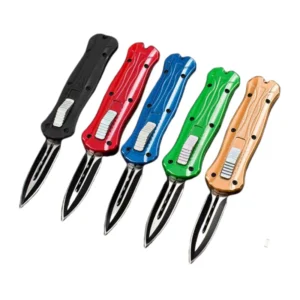
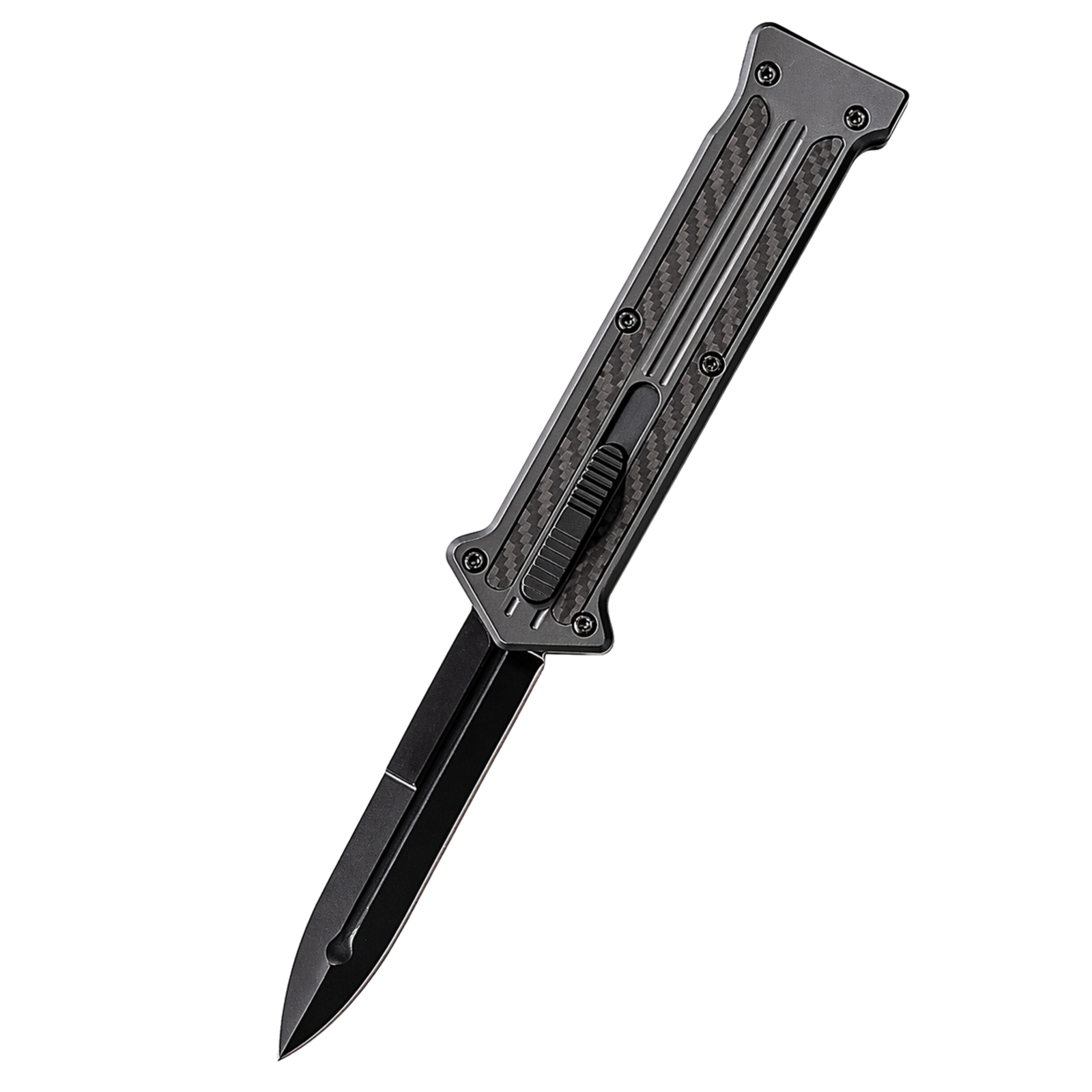
In wholesale and resale settings, blade quality matters just as much as price. Buyers often look for consistent fit, reliable edge retention, and packaging that is easy to stock or display. If you are sourcing utility knives or replacement-ready models for your business, it can be useful to compare options in the OTF and auto knife wholesale category alongside your hand-tool inventory, especially if you serve customers who want compact cutting tools for everyday carry or trade use.
Before you start: check the knife type
Not every Stanley-style knife opens the same way. Some use a single fixed blade held by a screw or slider assembly, while others have a snap-off blade stored in a segmented strip. A few models have internal blade storage, a quick-change button, or a retractable carriage. Before replacing the blade, look closely at the handle and identify how the blade is retained.
- Fixed utility blade: Usually secured by a screw, clamp, or slider mechanism.
- Snap-off blade: The worn segment is broken off at a scored line, leaving a fresh edge.
- Retractable knife: The blade is pulled back into the body and may require a release or lock to change safely.
If you are buying replacement stock for resale, check whether the knife accepts standard utility blades, heavy-duty blades, or a proprietary shape. A blade that is almost right is not good enough; even a small mismatch can affect fit, safety, and cutting performance.
How to replace a Stanley knife blade step by step
Always work on a stable surface with good lighting. If the knife has a lock, engage it before opening the handle. If the blade is exposed, retract it fully first. Wear cut-resistant gloves if you have them, especially when handling loose blades or changing multiple knives in a shop setting.
- Secure the knife. Retract the blade or lock the mechanism so it cannot move unexpectedly.
- Open the handle or blade holder. Use the release, screw, or latch designed for that model.
- Remove the old blade carefully. Grip only the dull end or use a tool if the design allows. Do not force the blade if it is stuck.
- Inspect the holder. Check for debris, rust, bent parts, or worn clamps that could affect the fit.
- Insert the replacement blade. Match the orientation exactly as the original blade sat in the knife.
- Close and lock the knife. Make sure the blade is seated fully and the mechanism clicks or tightens properly.
- Test carefully. Confirm the blade extends and retracts smoothly before using it on any material.
For snap-off styles, the process is slightly different. Instead of opening the handle, you move the blade forward to the next scored segment and break off the worn section using the built-in cap or a safe blade-breaker tool. Only expose the amount of blade you actually need, since longer exposure usually means more risk.
What to look for in a replacement blade
The best replacement blade is not just sharp; it is the right fit for the knife and the work it needs to do. Buyers should consider blade thickness, steel quality, edge profile, and packaging format. For example, light packaging work may only need a standard blade, while thicker materials may call for a heavier-duty option.
- Fit and compatibility: The blade must match the knife body and locking system.
- Steel quality: Better steel usually holds an edge longer and resists wear more effectively.
- Edge style: Straight, hooked, or heavy-duty profiles suit different tasks.
- Pack size: Retail packs, bulk boxes, and workshop refills serve different buyers.
- Packaging: Secure packaging helps prevent accidental cuts and improves shelf presentation.
Wholesale customers often benefit from buying in larger quantities when they know blade turnover is steady. A store that sells utility knives every week may prefer bulk replenishment, while a smaller shop may want mixed packs to test what customers actually request most often. If you are comparing supply options or building a broader knife program, you can also request information through the wholesale inquiry form.
Common mistakes to avoid
Most problems during blade replacement come from rushing. A few small habits can make the process safer and more reliable.
- Forcing the wrong blade into the holder: If it does not fit naturally, stop and verify compatibility.
- Touching the edge directly: Hold the blade by the dull side or use a tool where appropriate.
- Leaving the blade partially seated: This can cause wobble, poor cutting, or unsafe movement.
- Ignoring worn hardware: A damaged slider or loose screw can make even a new blade perform badly.
- Discarding blades carelessly: Used blades should go into a proper sharps container or another secure disposal method.
Another common issue is replacing the blade but not checking the knife body. Dirt, adhesive, dust, and rust can build up inside the handle and interfere with smooth operation. A quick wipe-down during every blade change helps extend the life of the tool.
When to replace the blade instead of sharpening it
For most utility knives, replacement is usually better than sharpening. Utility blades are inexpensive, and their thin profile is designed for quick replacement rather than repeated sharpening. If the edge is chipped, bent, heavily worn, or no longer cuts cleanly after a minor adjustment, swapping in a fresh blade is typically the most practical choice.
Signs that it is time to change the blade include increased tearing, more pressure needed to cut, visible nicks, or a blade tip that no longer starts material cleanly. In a busy shop or warehouse, it is often more efficient to replace the blade as soon as performance drops rather than waiting until the cut quality becomes a problem.
Storing knives and spare blades responsibly
Good storage keeps blades sharp and people safer. Store spare blades in their original packaging or in a secure organizer that prevents contact with hands and other tools. Keep utility knives retracted or locked when not in use, and place them where children or unauthorized users cannot reach them. For business buyers, clear storage habits also reduce loss, accidental damage, and returns caused by bent or contaminated blades.
If your organization distributes knives to staff or resells them to end users, it helps to include simple care guidance with the product. A short note on safe blade changes, storage, and disposal can reduce misuse and improve customer satisfaction.
FAQ
How often should a Stanley knife blade be replaced?
Replace it whenever cutting performance drops, the edge becomes visibly damaged, or the blade no longer feels secure in the holder. Frequency depends on the material being cut and how often the knife is used.
Can I use any utility blade in my knife?
No. Many blades look similar but differ in thickness, length, notch style, or locking fit. Always match the replacement to the knife model or verify compatibility before buying in quantity.
What is the safest way to dispose of used blades?
Place used blades in a proper sharps container or another rigid, sealed container that prevents accidental contact. Follow your local waste guidance and workplace safety rules.
Why does my new blade feel loose?
A loose blade may mean the wrong size was installed, the clamp is worn, or the knife body needs cleaning or repair. Stop using it until the fit is corrected.
Is it better to buy blades individually or in bulk?
For home use, small packs are often enough. For retail shops, warehouses, and distributors, bulk buying is usually more efficient because it reduces per-unit cost and keeps inventory ready for repeat customers.
Final thoughts
Replacing a Stanley knife blade is a simple maintenance task, but doing it correctly makes a real difference in safety, cutting quality, and tool life. Choose the right blade, work carefully, and inspect the knife body each time you change it. For businesses that stock utility knives or related cutting tools, dependable replacement options and clear care instructions help keep customers satisfied and reduce avoidable problems over time.