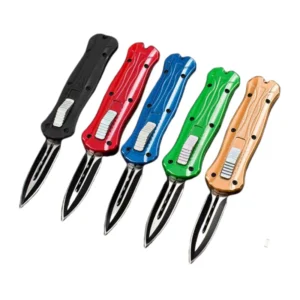


How to Clean a Folding Knife: Safe, Simple Care for Better Performance


Short answer
Learn how to clean a folding knife safely, remove dirt and pocket lint, protect the pivot, and keep blades opening smoothly with simple maintenance tips.
Key Takeaways
- Knife rules can vary by state, city, blade style, opening mechanism, carry method, and intended use.
- Do not treat a product nickname as a legal category; check the actual features and local rule.
- Retailers should keep legal or safety language factual and avoid promising that one item is allowed everywhere.
Terms Used Here
- OTF
- Out-the-front; a knife design where the blade moves forward from the front of the handle.
- Automatic knife
- A knife that opens by a spring-driven mechanism after the user activates a button, switch, or slider.
- Folding knife
- A knife with a blade that pivots into the handle for storage.
In this article
- 01 Why folding knives need regular cleaning
- 02 What you need before you start
- 03 Step-by-step: how to clean a folding knife
- 04 1. Make the knife safe to handle
- 05 2. Remove loose dirt first
- 06 3. Wipe the blade carefully
- 07 4. Clean the handle, liners, and pivot area
- 08 5. Dry everything completely
- 09 6. Add a tiny amount of lubricant if needed
- 10 Common mistakes that shorten a knife’s life
- 11 How often should a folding knife be cleaned?
- 12 What retailers and wholesale buyers should look for in easy-care knives
- 13 Simple storage habits that keep a knife cleaner longer
- 14 Practical FAQ
- 15 Can I use dish soap to clean a folding knife?
- 16 Should I take my folding knife apart to clean it?
- 17 What if the blade has rust spots?
- 18 How do I clean a knife after food use?
- 19 Does every folding knife need oil?
The best way to clean a folding knife is to open it carefully, remove loose debris, wipe the blade and handle with a soft cloth, clean around the pivot and lock area with a cotton swab or soft brush, dry every part completely, and apply a small amount of suitable lubricant if needed. Regular cleaning keeps the knife opening smoothly, reduces wear, and helps prevent corrosion.
For retailers, resellers, and wholesale buyers, this is also one of the easiest care topics to share with customers. A folding knife that looks clean, works smoothly, and stores properly tends to earn better reviews and fewer returns. Whether you sell everyday carry models, outdoor knives, or compact utility folders, simple maintenance advice adds value for the end user.
Why folding knives need regular cleaning
Folding knives collect more than visible dirt. Pocket lint, dust, skin oils, moisture, food residue, and tiny metal particles can work their way into the pivot, liners, and locking mechanism. Over time, that buildup can make the blade feel gritty, slow, or stiff when opening and closing.
Cleaning also matters for appearance and longevity. A knife that is wiped down after use is less likely to show spotting or discoloration, especially if it has a carbon steel blade, a textured handle, or a tight internal mechanism. Even stainless steel benefits from routine care, because “stainless” does not mean stain-proof.
What you need before you start
You do not need a complicated kit for basic folding knife care. In most cases, a few simple items are enough:
- Soft microfiber cloths or lint-free rags
- Cotton swabs
- Soft-bristled brush or clean toothbrush
- Mild soap and warm water for light exterior cleaning
- Isopropyl alcohol for stubborn residue, if appropriate for the handle material
- Knife-safe lubricant for the pivot and moving parts
If you are buying knives for a store or online catalog, it helps to choose models that are easy to maintain. Smooth handle materials, accessible pivots, and reliable lock designs are often easier for customers to keep in good condition. For buyers looking at automatic or OTF models as part of a broader knife lineup, the OTF and automatic knife wholesale category can be a useful reference point when comparing maintenance needs across different styles.
Step-by-step: how to clean a folding knife
1. Make the knife safe to handle
Before cleaning, make sure the blade is fully closed or fully opened in a controlled position, depending on the knife design and what you need to clean. Keep your fingers away from the edge and the locking area. Work on a stable surface with good lighting.
2. Remove loose dirt first
Use a dry cloth or soft brush to remove lint, dust, and grit from the blade, handle, and exposed hardware. This first pass prevents you from rubbing abrasive particles deeper into the finish.
3. Wipe the blade carefully
For light cleaning, dampen a cloth slightly with warm water and a small amount of mild soap. Wipe the blade from spine to edge side with controlled motions, staying mindful of the sharp edge. If the blade has sticky residue, a little isopropyl alcohol on a cloth or swab may help, depending on the finish and handle material.
If the knife was used for food prep or outdoor tasks, clean it sooner rather than later. Residue left on the blade can harden and become harder to remove later.
4. Clean the handle, liners, and pivot area
Open the knife if the design allows safe access, then use a cotton swab or soft brush to clean around the pivot, liners, and locking surfaces. This is where pocket lint and grime usually collect. Do not force liquid deep into the knife, especially if it has internal springs or a sealed mechanism.
Textured G10, FRN, aluminum, titanium, and similar materials each clean differently. A textured handle may need a little extra brushing, while polished scales usually wipe clean more easily. If the handle has decorative inserts or coatings, use gentle cleaning methods to avoid dulling the finish.
5. Dry everything completely
Moisture is one of the most common reasons a folding knife develops problems later. After cleaning, dry the blade, handle, pivot area, and any exposed hardware thoroughly. Leave the knife open for a short time if appropriate so trapped moisture can evaporate.
6. Add a tiny amount of lubricant if needed
If the knife feels dry or starts to open with friction, apply a very small amount of knife-safe lubricant to the pivot and moving parts. Too much lubricant attracts dust and lint, so use less than you think you need. Work the blade open and closed a few times, then wipe away any excess.
Common mistakes that shorten a knife’s life
Many cleaning problems come from doing too much, too fast, or with the wrong product. Avoid these common mistakes:
- Soaking the entire knife in water
- Using harsh cleaners that can damage coatings or handle materials
- Applying too much oil or grease
- Ignoring the pivot and lock area
- Closing the knife while moisture is still trapped inside
- Using abrasive pads that scratch the finish
Another mistake is assuming every folding knife should be taken apart for cleaning. Disassembly can be useful for experienced users, but many customers do not need it for routine care. In fact, taking apart a knife without the right tools or knowledge can create alignment problems or void the manufacturer’s support terms. For general maintenance, simple exterior cleaning is usually enough.
How often should a folding knife be cleaned?
There is no single schedule that works for every knife. A folder carried daily in a pocket may need a quick wipe-down every few days and a deeper cleaning once in a while. A knife used outdoors, around food, or in dusty environments may need attention much more often.
A practical rule is to clean it whenever you notice grit, slow action, visible residue, or moisture exposure. For long-term storage, make sure the knife is clean and dry before putting it away. That small habit can prevent corrosion and keep the action consistent.
What retailers and wholesale buyers should look for in easy-care knives
If you stock folding knives for resale, maintenance is part of the buying decision. Customers often prefer knives that are easy to wipe down, have accessible pivots, and use handle materials that do not trap excessive dirt. Smooth opening action, dependable locks, and corrosion-resistant blade steels also make a difference in satisfaction after purchase.
Wholesale buyers should think about how the knife will be used and how often customers are likely to maintain it. Outdoor users may want rugged finishes and simple construction. Everyday carry shoppers may value compact designs that clean quickly. Displaying care tips alongside the product can also reduce confusion and help buyers feel confident in the purchase.
If you are building a broader inventory and want to discuss product selection at scale, you can use the wholesale inquiry form to start a conversation about available options.
Simple storage habits that keep a knife cleaner longer
Cleaning works best when paired with good storage. Keep folding knives dry, store them away from humidity when possible, and avoid leaving them in damp pockets, tool bags, or cases. A knife tossed loose with keys, coins, or other metal items can pick up scratches and debris faster.
For customers, a clean folder is usually the result of a few small habits: wipe it after use, keep the pivot free of grit, dry it fully, and store it properly. Those steps take little time and make a noticeable difference in performance.
Practical FAQ
Can I use dish soap to clean a folding knife?
Yes, a small amount of mild dish soap mixed with warm water is often fine for light exterior cleaning. Use it sparingly, avoid soaking the knife, and dry it completely afterward.
Should I take my folding knife apart to clean it?
Usually no for routine maintenance. Most users can keep a knife in good shape with careful wiping, brushing, and drying. Disassembly is better left to people who are comfortable with the knife’s construction and hardware.
What if the blade has rust spots?
Light spotting may sometimes be removed with gentle cleaning, but the right method depends on the blade finish and steel type. Use caution, avoid aggressive abrasives, and follow the manufacturer’s care guidance when available.
How do I clean a knife after food use?
Wipe it soon after use, wash the blade carefully with mild soap and water if appropriate, dry it completely, and make sure no residue remains near the pivot or lock.
Does every folding knife need oil?
No. Some knives run smoothly with very little lubrication. If the action feels dry or gritty, a tiny amount of knife-safe lubricant may help, but too much can collect dust.
Cleaning a folding knife does not have to be complicated. A careful wipe-down, attention to the pivot, complete drying, and smart storage will handle most everyday needs. For buyers and sellers alike, knives that are easy to maintain usually deliver better long-term value, fewer complaints, and a better ownership experience overall.