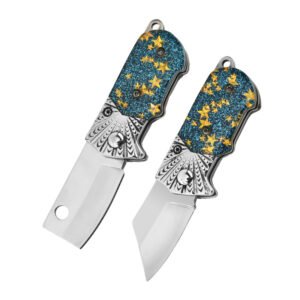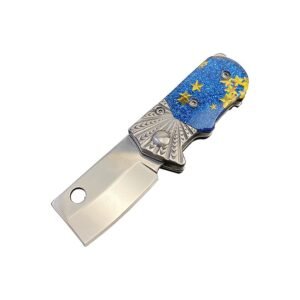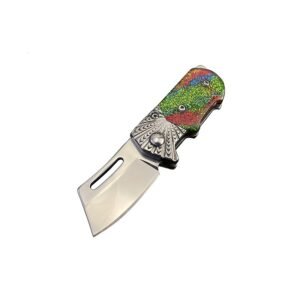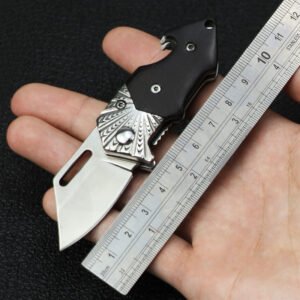


How to Polish a Knife: A Practical Guide for a Clean, Finished Look

Short answer
Learn how to polish a knife safely and effectively with the right tools, steps, and finishing tips. Includes care advice, common mistakes, and buying considerat
In this article
- 01 Why polishing a knife matters
- 02 What you need before you start
- 03 How to polish a knife step by step
- 04 1. Clean the blade first
- 05 2. Protect the edge and handle
- 06 3. Choose the right polish for the finish
- 07 4. Work in small sections
- 08 5. Wipe and inspect often
- 09 6. Finish with a clean buff
- 10 Different blade finishes need different care
- 11 Mistakes that can ruin a good finish
- 12 When polishing makes sense for wholesale and retail buyers
- 13 How often should you polish a knife?
- 14 Practical FAQ
- 15 Can I polish a knife with household products?
- 16 Will polishing remove scratches?
- 17 Is it safe to polish near the edge?
- 18 What should I do after polishing?
- 19 What is the best way to keep a knife looking polished?
- 20 A better finish starts with careful handling
If you want to polish a knife, start by cleaning it thoroughly, then work from a finer abrasive or polishing compound until the blade has the finish you want. The key is to use light pressure, keep the blade cool, and match the method to the knife’s material and finish so you improve the appearance without damaging the edge or handle.
Why polishing a knife matters
Polishing is not only about shine. A well-finished blade can look more professional, resist visible staining, and feel more refined in hand. For retail buyers and resellers, a cleaner finish also helps a knife present better in display cases, product photos, and customer unboxing. For everyday owners, regular polishing can remove minor oxidation spots, fingerprints, and surface dullness before they become more noticeable.
That said, not every knife should be polished the same way. A mirror finish, a satin finish, and a stonewashed blade all have different care needs. Before you begin, identify the blade material, coating, and current finish so you do not accidentally remove a protective layer or change the look more than you intended.
What you need before you start
Most polishing jobs do not require specialized shop equipment. For routine care, a simple setup is usually enough:
- Soft cloths or microfiber towels
- Mild soap and warm water
- Isopropyl alcohol for final wipe-downs, if appropriate for the finish
- Non-abrasive metal polish or a polishing compound designed for blades
- Very fine abrasive pads or polishing cloths, if needed
- Masking tape to protect the handle and edge area
- Gloves for handling a clean blade without fingerprints
If you are polishing knives for resale, it helps to keep a consistent kit so every piece gets the same treatment. Wholesale buyers often look for products that arrive clean, well-finished, and ready for display, which makes careful handling part of the value chain, not just a cosmetic step.
How to polish a knife step by step
1. Clean the blade first
Wash the knife with mild soap and warm water, then dry it completely. Any grit, oil, or residue left on the blade can scratch the surface during polishing. If the knife has been stored for a while, inspect the pivot area, spine, and edge line for hidden dirt.
2. Protect the edge and handle
Use masking tape to cover the edge and any areas you do not want to polish, especially if the blade has a coated finish or decorative details. This helps prevent accidental wear and keeps polishing compound away from textured handle materials.
3. Choose the right polish for the finish
For light cleaning and shine, a non-abrasive metal polish is often enough. For small scratches or a dull satin surface, you may need a very fine abrasive pad or a polishing compound with a controlled cutting action. Always test on a small, less visible area first. If the blade is coated, anodized, or has a specialty finish, check whether polishing will remove or alter that surface.
4. Work in small sections
Apply a small amount of polish to the cloth or pad, then rub in the direction that matches the blade’s existing finish. Use even, light pressure. Long, controlled passes are better than aggressive scrubbing. If the metal begins to warm up, pause and let it cool before continuing.
5. Wipe and inspect often
After a few passes, wipe the blade clean and inspect it under good light. You are looking for a uniform finish, not just a brighter shine. Uneven polishing can create patchy reflections or visible streaks, especially on satin blades. If you see residue in the grind lines or near the spine, remove it before moving on.
6. Finish with a clean buff
Once the blade looks even, use a fresh microfiber cloth to buff away any remaining polish. This final pass often makes the biggest difference in appearance. For carbon steel knives or blades stored in humid environments, a very light protective oil may help reduce future spotting, but use only a small amount and avoid the edge.
Different blade finishes need different care
Polishing is not one-size-fits-all. The goal is to improve the blade without changing its character.
- Mirror-polished blades: Use the gentlest products possible. These finishes show scratches quickly, so soft cloths and careful buffing are best.
- Satin finishes: Follow the direction of the grain. Crossing the grain can leave visible marks that are hard to blend out.
- Stonewashed blades: These are designed to hide wear, so heavy polishing may make the surface look inconsistent. A light clean is often enough.
- Coated blades: Avoid abrasive polishing unless you are intentionally removing the coating. Once a coating is gone, it usually cannot be restored with simple maintenance.
For buyers evaluating inventory, finish consistency matters. A knife that looks well cared for tends to photograph better, move faster in a retail setting, and create a stronger first impression for end customers.
Mistakes that can ruin a good finish
Many polishing problems come from trying to speed up the process. These are the most common issues to avoid:
- Using the wrong abrasive: A compound that is too aggressive can leave scratches that are harder to remove than the original dullness.
- Polishing across the grain: This is especially noticeable on satin blades and can make the surface look uneven.
- Skipping the cleaning step: Dirt becomes grit, and grit becomes scratches.
- Applying too much pressure: Heavy pressure can create hot spots, smear residue, or alter the finish unevenly.
- Ignoring coated or specialty surfaces: Some blades are meant to keep a specific factory look. Polishing them blindly may lower their visual appeal.
- Forgetting safety: Even when the edge is taped, treat the knife carefully and store it responsibly during the process.
When polishing makes sense for wholesale and retail buyers
For stores, distributors, and online sellers, a polished knife can be part of quality presentation. You are not just selling steel; you are selling confidence in the product’s condition. Clean blades, even finishes, and residue-free surfaces help reduce customer hesitation and lower the chance of returns caused by poor presentation.
If you source knives in volume, it is worth paying attention to how finishes vary by model. Some products are easier to maintain than others, and some finishes hold up better in display and shipping conditions. When selecting stock, consider whether the blades have finishes that are easy to keep clean, whether replacement inventory will match the original look, and how the knife will appear after handling.
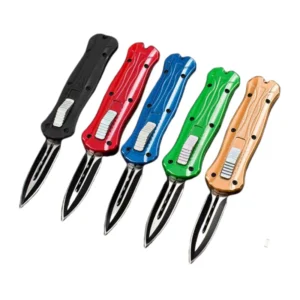
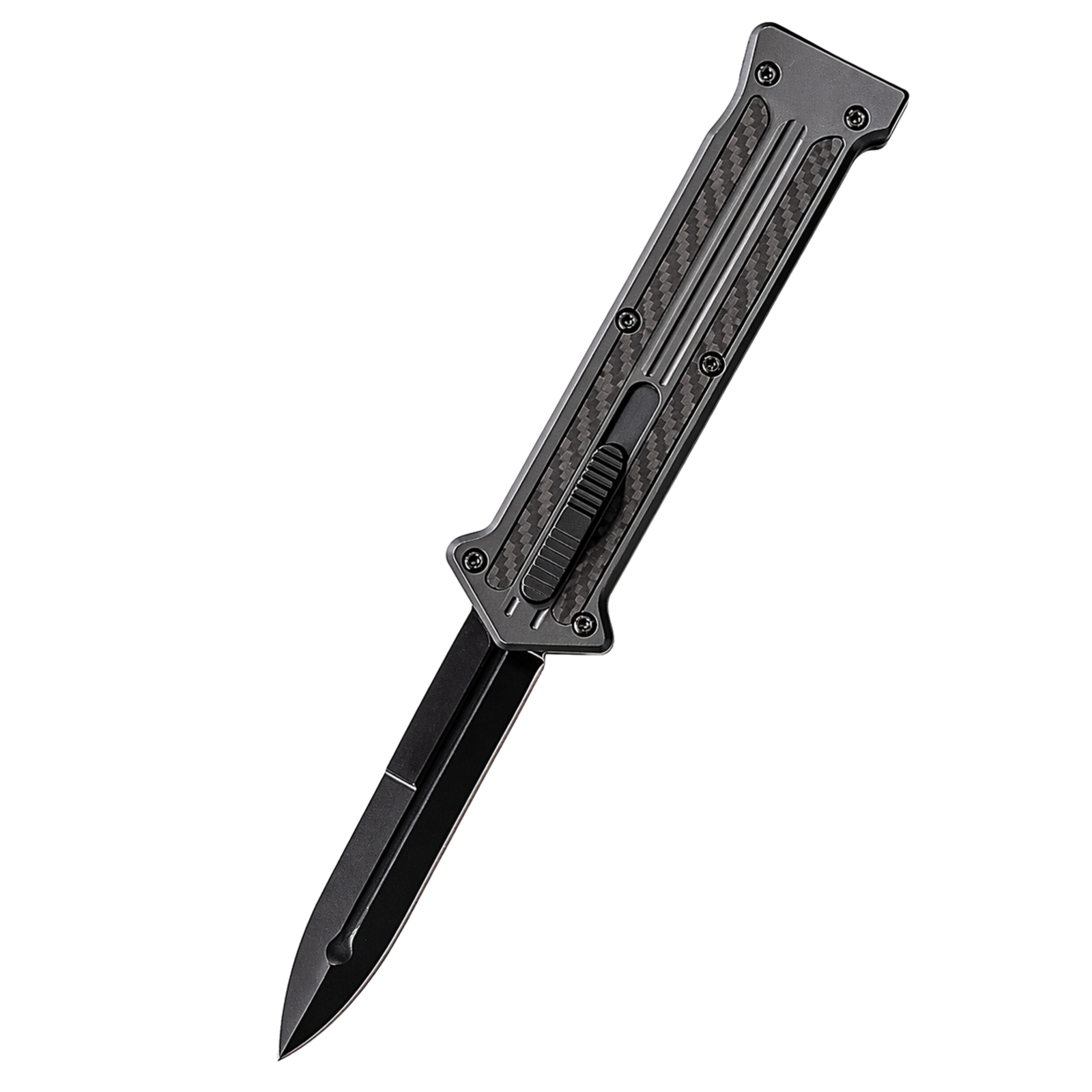
For buyers exploring product lines, the OTF and automatic knife wholesale category can be a useful place to compare styles and finishes that are designed for consistent presentation. If you are planning a larger order, a wholesale inquiry can help you ask about finish options, packaging, and product availability before you commit.
How often should you polish a knife?
That depends on the steel, finish, and how the knife is used or stored. A display knife may need only occasional cleaning and light buffing. A working knife that sees regular handling may need more frequent wipe-downs, especially if fingerprints, moisture, or environmental exposure are common. In general, polish only when the blade actually needs it. Over-polishing can wear down the surface unnecessarily over time.
For carbon steel, routine drying and protective care matter as much as shine. For stainless steel, the focus is often on removing smudges and restoring a clean look. If you are unsure how a specific blade will react, start with the mildest method and work upward only if needed.
Practical FAQ
Can I polish a knife with household products?
Sometimes, but it is better to use products made for metal care. Harsh household cleaners can leave residues or damage the finish. If you do use a home product, test it carefully on a small area first and avoid anything abrasive unless you know the blade can handle it.
Will polishing remove scratches?
Light surface marks may improve, but deeper scratches usually require more than a quick buff. The more aggressive the correction, the more likely you are to alter the factory finish. If the knife has collector value or a specialty coating, proceed very carefully.
Is it safe to polish near the edge?
Yes, if you protect the edge and handle the knife responsibly. Use tape where needed and keep your hands clear of the cutting side. The goal is maintenance, not sharpening, so do not apply pressure directly to the edge.
What should I do after polishing?
Wipe the blade completely clean, remove any tape, and store the knife in a dry place. If the knife is carbon steel or will be stored for a while, a light protective coat may help reduce spotting. Always verify local rules and follow any applicable storage or ownership requirements.
What is the best way to keep a knife looking polished?
Regular cleaning is the biggest factor. Wipe fingerprints off after handling, dry the blade after exposure to moisture, and store it in a way that avoids rubbing against other metal objects. For sellers, careful packaging and display handling can keep inventory looking new longer.
A better finish starts with careful handling
Knowing how to polish a knife is really about knowing when to stop. The best results come from gentle cleaning, the right product for the finish, and a patient approach that protects the blade’s original character. Whether you are maintaining a personal knife or preparing inventory for customers, a clean, even finish makes the product look more trustworthy and better cared for. If you work with knives at retail or wholesale level, consistent finishing and presentation can make a real difference in how your products are received.