
Short answer
Learn how to polish a knife blade with the right tools, gentle techniques, and safety tips. Practical advice for collectors, retailers, and wholesale buyers.
In this article
- 01 What polishing can and cannot do
- 02 Choose the right method for the blade finish
- 03 Tools and supplies that work well
- 04 Step-by-step: how to polish a knife blade
- 05 1. Clean the blade first
- 06 2. Inspect the surface under good light
- 07 3. Apply a small amount of polish
- 08 4. Buff carefully
- 09 5. Wipe and protect
- 10 Common mistakes that damage the finish
- 11 How to handle rust spots and stubborn discoloration
- 12 Buying knives that are easier to maintain
- 13 How often should you polish a knife blade?
- 14 Practical FAQ
- 15 Can I polish a knife blade with household items?
- 16 Will polishing make my knife sharper?
- 17 Should I polish coated blades?
- 18 Is it safe to polish a knife I plan to resell?
- 19 What is the safest everyday routine?
- 20 Final takeaways
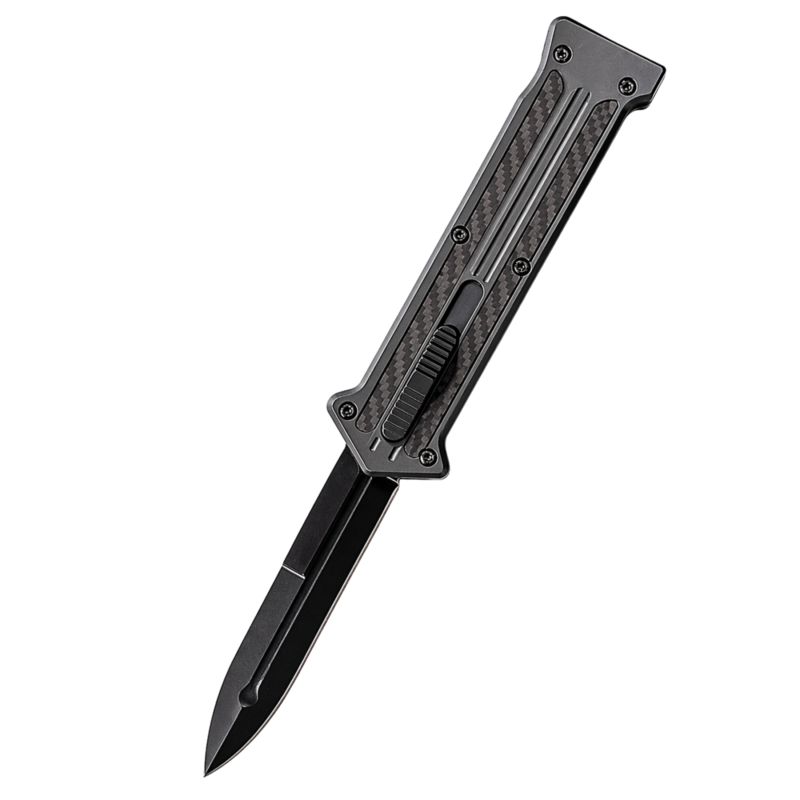
If you want to polish a knife blade, start with the gentlest method that matches the finish: clean the blade, remove residue with a soft cloth, then use a suitable metal polish or ultra-fine abrasive only if the steel and finish can handle it. The goal is to improve appearance and remove light oxidation without scratching the blade, thinning protective coatings, or changing the edge geometry.
What polishing can and cannot do
Blade polishing is mainly for appearance, light surface cleanup, and preserving the look of a knife in storage or display. It can reduce dull spots, fingerprints, light tarnish, and minor discoloration. It will not fix deep pitting, major rust damage, chips in the edge, or structural problems. If a blade has serious corrosion, bent geometry, or a damaged finish, polishing alone is not the answer.
For retail buyers and wholesale customers, this matters because the right care routine helps products stay presentable on shelves, in inventory, and in customer hands. A clean blade often sells better than one with smudges or haze, especially for display knives and collectible-style pieces.
Choose the right method for the blade finish
Not every knife should be polished the same way. The blade material and finish should guide your approach.
- Mirror-polished blades: Use only very soft cloths and non-abrasive polish. Even tiny particles can leave visible swirls.
- Satin finishes: Polish carefully along the grain when possible. Crosswise rubbing can make the finish look uneven.
- Stonewashed or bead-blasted blades: Avoid aggressive polishing. These finishes are designed to look textured, and heavy polishing can create shiny patches.
- Coated blades: Do not polish the coated surface unless the coating manufacturer recommends it. Abrasives can remove the finish.
- Carbon steel blades: These may need a little more protection from moisture and fingerprints. Use a rust inhibitor after cleaning if appropriate.
If you are sourcing inventory for a store or online catalog, it helps to know which finishes are easiest to maintain. Many buyers prefer blades that can be cleaned quickly and still look good after handling, especially for display and repeat customer inspection. For product lines with a strong everyday carry focus, browse the OTF and automatic knife wholesale category to compare finishes, materials, and presentation options that fit your market.
Tools and supplies that work well
You do not need a full workshop to polish a knife blade. In most cases, a small set of safe supplies is enough.
- Microfiber cloths
- Warm water and mild soap
- Soft toothbrush or cotton swabs for crevices
- Non-abrasive metal polish suitable for the blade material
- Ultra-fine polishing cloths or pads, if needed
- Light protective oil for carbon steel or uncoated steel, when appropriate
Avoid steel wool, harsh scouring pads, and coarse sandpaper unless you are doing a full restoration and understand the risk of changing the finish. On many modern blades, those materials create more problems than they solve.
Step-by-step: how to polish a knife blade
1. Clean the blade first
Wipe away dust, fingerprints, and debris with a damp microfiber cloth. If needed, use a drop of mild dish soap in warm water, then dry the blade completely. Cleaning first prevents grit from scratching the surface during polishing.
2. Inspect the surface under good light
Look for rust spots, cloudy patches, residue, or scratches. If you see orange rust, stop and remove it gently before applying polish. If you see deep pits or flaking, the blade may need restoration rather than routine polishing.
3. Apply a small amount of polish
Use only a tiny amount on a soft cloth. More product does not mean better results. Work in small sections and keep the pressure light. For satin finishes, follow the direction of the existing grain. For mirror finishes, use smooth, even strokes.
4. Buff carefully
Once the polish has worked on the surface, buff it with a clean cloth until the blade looks even. If the cloth turns dark, that is normal when removing oxidation or residue. Replace the cloth if it becomes too dirty, so you do not drag particles across the finish.
5. Wipe and protect
After polishing, remove all remaining product. Any leftover residue can attract dust or feel greasy to customers handling the knife. On blades that benefit from protection, apply a very light coat of oil and wipe away the excess.
Common mistakes that damage the finish
Many blade problems come from trying to polish too aggressively. A careful approach keeps the knife looking better for longer.
- Using too much pressure: Heavy pressure can leave swirl marks or remove the original finish.
- Polishing the edge: The goal is to polish the blade face, not alter the cutting edge.
- Skipping cleaning first: Dirt and grit act like sandpaper.
- Mixing products without checking compatibility: Some finishes and coatings react badly to certain compounds.
- Ignoring moisture after polishing: A clean blade still needs dry storage and routine checks.
For store owners and resellers, these mistakes matter because returned items often show handling wear that could have been prevented. Choosing products with durable finishes and consistent factory presentation can reduce post-sale maintenance issues. If you are building inventory for a retail case or online catalog, a direct wholesale inquiry can help you compare options for finish quality, packaging, and repeatability across orders.
How to handle rust spots and stubborn discoloration
Light rust can often be removed with patience and a gentle touch. Start with cleaning and a non-abrasive polish. If the spot remains, use a very fine polishing compound or a rust remover designed for the blade material. Work only on the affected area and stop as soon as the discoloration lifts.
For deeper rust, especially on carbon steel, do not keep scrubbing in one place. That can create a dull patch or visible indentation. Instead, assess whether the blade needs professional restoration. General care advice is useful, but it is always smart to verify the best method for the exact steel and finish you are working with.
Buying knives that are easier to maintain
If you are a wholesale buyer, retailer, or distributor, blade maintenance should be part of the buying decision. Knives that polish and clean easily are often better received by customers and easier to display in pristine condition.
- Finish consistency: Look for blades with even factory finishing and clear surface uniformity.
- Steel type: Stainless steels usually need less rust protection than carbon steel, though both need care.
- Coating durability: If you sell coated blades, choose coatings that hold up to handling and routine cleaning.
- Packaging: Protective packaging helps prevent scuffs before the product reaches the customer.
- Customer profile: Display buyers may want a mirror look, while everyday users may prefer low-maintenance satin or stonewashed finishes.
For businesses that move inventory in volume, selecting the right product mix can reduce returns and increase customer satisfaction. Knives that arrive with a clean, attractive finish are easier to merchandise, photograph, and ship.
How often should you polish a knife blade?
Polish only when needed. Regular wiping after use or handling is usually enough for most knives. Frequent polishing can slowly wear down the finish, especially on softer coatings or delicate surface textures. A good rule is to clean after each use, inspect periodically, and polish only when the blade starts to look dull, spotted, or tarnished.
For display inventory, a light wipe before presentation is often more useful than repeated polishing. That keeps the blade looking sharp without overworking the surface.
Practical FAQ
Can I polish a knife blade with household items?
Sometimes, but be careful. Soft cloths and mild soap are fine for cleaning. For polishing, it is better to use a product made for metal and compatible with the blade finish. Avoid abrasive kitchen cleaners or rough pads.
Will polishing make my knife sharper?
No. Polishing improves appearance and can remove light surface oxidation, but it does not sharpen the edge. Sharpening and polishing are different tasks.
Should I polish coated blades?
Usually not unless the coating instructions specifically allow it. Many coatings can be dulled or removed by abrasives.
Is it safe to polish a knife I plan to resell?
Yes, if you do it carefully and keep the original finish intact. A clean blade can improve presentation, but over-polishing may reduce value. For resale inventory, consistency and condition matter.
What is the safest everyday routine?
Wipe the blade clean, dry it completely, store it properly, and polish only when the surface actually needs it. That simple routine prevents most cosmetic problems.
Final takeaways
To polish a knife blade well, start gently, match the method to the finish, and avoid anything abrasive unless restoration is truly needed. Clean first, use minimal product, buff with care, and protect the blade afterward. For shoppers and wholesale buyers alike, the best results come from choosing knives with finishes that fit the intended use and from keeping them clean, dry, and properly stored. Responsible care preserves appearance, supports resale value, and helps each knife stay ready for lawful, everyday ownership.