

Who Makes the Best OTF Knife?

Short answer
Learn what separates the best OTF knife from the rest, which makers shoppers trust, and how wholesale buyers can choose reliable models for resale.
In this article
- 01 What makes an OTF knife stand out?
- 02 Who usually makes the best OTF knife?
- 03 How to judge quality before you buy
- 04 Buyer criteria that matter most
- 05 Common mistakes shoppers make with OTF knives
- 06 Best OTF knife for different types of buyers
- 07 For everyday users
- 08 For collectors
- 09 For retail and online resale
- 10 For distributors and wholesale buyers
- 11 Why wholesale buyers should think beyond the headline brand
- 12 Practical FAQ about choosing the best OTF knife
- 13 Is the best OTF knife always the most expensive one?
- 14 What matters most in an OTF knife?
- 15 Are budget OTF knives worth buying?
- 16 How should I store OTF knives for resale?
- 17 Can I sell OTF knives everywhere?
- 18 Final take
If you want the best OTF knife, the answer is not one brand for every buyer. The best choice depends on how the knife will be used, how much you want to spend, and whether you are buying for personal carry, retail shelves, or wholesale resale. In general, the best OTF knife is one that combines smooth deployment, solid lockup, durable materials, and consistent quality control. For many shoppers, that means looking at established makers with a track record for reliability rather than chasing the cheapest option.
OTF knives can vary widely in fit, finish, blade geometry, and action. A premium model may feel crisp and precise, while a budget model may be acceptable for light use but less consistent over time. If you are buying for a store or distribution channel, the best knife is often the one that balances performance, customer appeal, and dependable supply.
What makes an OTF knife stand out?
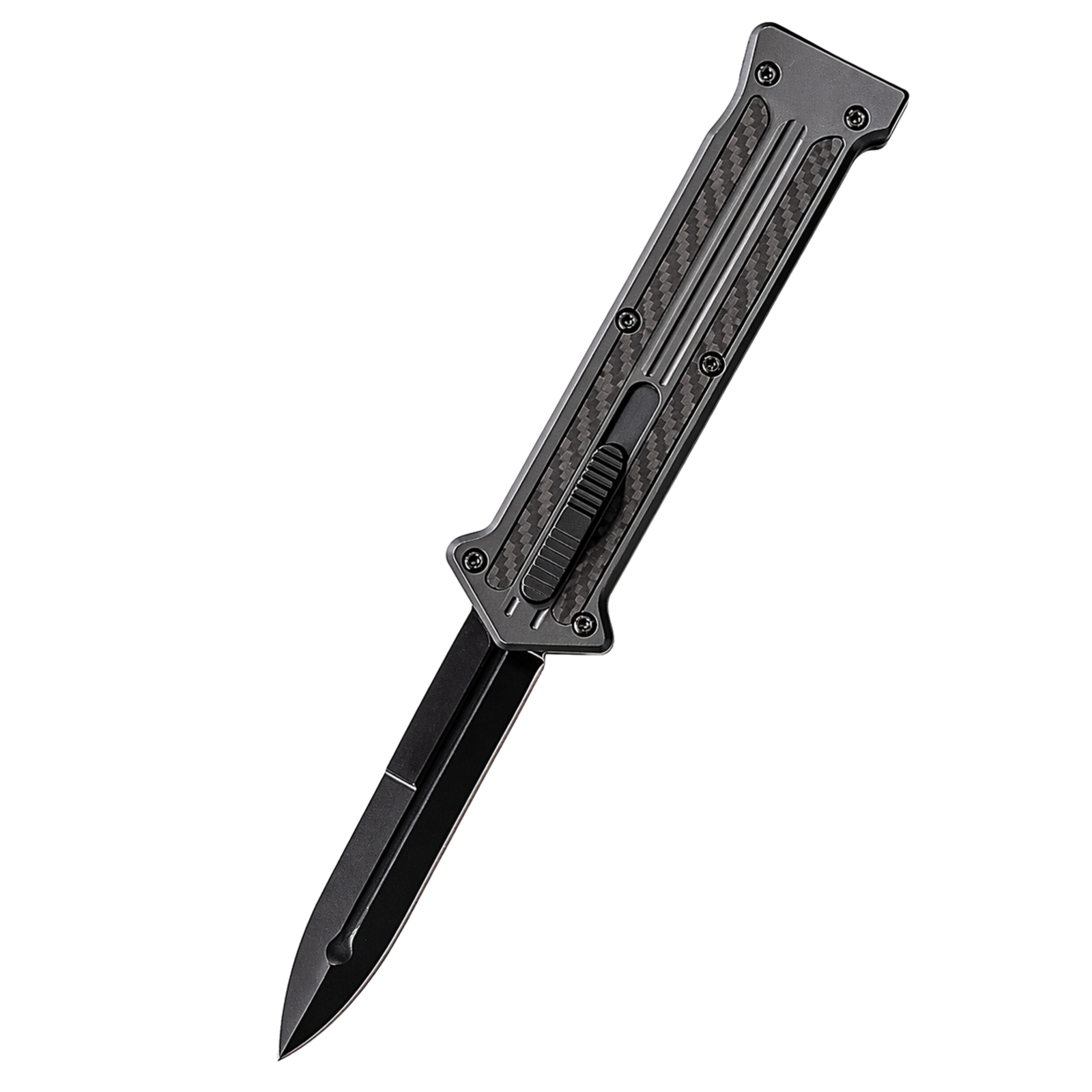
The best OTF knife usually earns that title by doing a few things very well. It should fire cleanly, retract without hesitation, and feel stable in the hand. The blade should sit centered and the mechanism should not feel gritty or loose. Materials matter too: aluminum or steel handles, quality internal parts, and a blade steel that matches the price point all play a role.
Here are the features buyers usually notice first:
- Deployment feel: A strong, consistent action is one of the biggest signs of good manufacturing.
- Blade retention: A well-made OTF should lock securely in both positions.
- Fit and finish: Tight tolerances reduce rattle and improve the overall experience.
- Blade steel and edge quality: Better steels can hold an edge longer, while still needing proper care.
- Ergonomics: The handle should feel secure and comfortable for the intended user.
For wholesale buyers, these details matter because customers often judge the knife the moment they open the box. A knife with smooth action and clean finishing is easier to sell and less likely to generate returns.
Who usually makes the best OTF knife?
In the market today, the best OTF knife often comes from makers known for consistency, not just flashy design. Premium brands typically excel in machining, action, and materials, while mid-range manufacturers may offer the best value for many shoppers. The right answer depends on whether your customer wants a collector-grade piece, an everyday carry knife, or an affordable automatic option.
High-end makers are usually favored by enthusiasts who want refined action, premium steel, and strong attention to detail. Mid-tier brands often appeal to everyday users who want dependable performance without the highest price tag. For retailers and resellers, a good mix of both can satisfy a wider customer base.
If you are sourcing inventory, it can help to compare models by category rather than by brand name alone. A well-made mid-priced knife can outperform a more expensive model if the design is better suited to the buyer’s needs.
How to judge quality before you buy
When you cannot handle the knife in person, focus on the details that usually separate a strong seller from a weak one. Product photos, specifications, and supplier consistency all matter. Wholesale buyers should also look for repeatable quality across batches, because one good sample does not always mean every unit will match.
Buyer criteria that matter most
- Action consistency: The blade should deploy and retract smoothly every time.
- Construction: Look for sturdy handle materials and clean assembly.
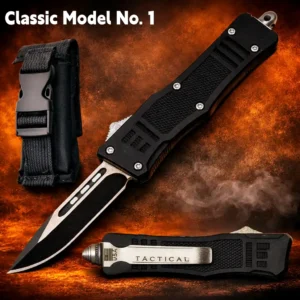
- Blade style: Some customers prefer a dagger profile, while others want a utility-oriented shape.
- Carry comfort: Pocket clip placement and overall size can affect satisfaction.
- Warranty or support: Even for wholesale purchases, after-sale support can reduce friction.
- Inventory reliability: A strong product is only useful if it can be stocked consistently.
For store owners, it is smart to test a small group of sample units before placing a larger order. That helps you see whether the action, finish, and packaging meet your standards. If you are building a catalog, consider whether the product fits your customer base: collectors may want a premium feel, while general buyers may prefer a practical price point.
Common mistakes shoppers make with OTF knives
One common mistake is assuming that the most expensive knife is automatically the best. Price often reflects materials and brand reputation, but it does not guarantee the knife will suit every user. Another mistake is choosing based only on appearance. A dramatic finish or aggressive styling can look impressive online, yet the knife may feel awkward or have inconsistent action.
Buyers also sometimes overlook the importance of supplier reputation. A knife model may be popular, but if the source is unreliable, the customer experience can suffer. For wholesale buyers especially, a good product paired with poor fulfillment creates avoidable problems.
- Buying without checking return rates or customer feedback.
- Ignoring blade steel, handle material, and overall build quality.
- Choosing a model that looks good but does not match the buyer’s intended use.
- Ordering too many units before verifying demand.
Another mistake is forgetting that local laws can vary. OTF knives are regulated differently depending on location, so buyers and resellers should verify local rules before purchasing, stocking, or carrying these products.
Best OTF knife for different types of buyers
The best OTF knife for a collector is usually not the same as the best OTF knife for a retailer or distributor. Matching the knife to the buyer profile helps reduce returns and improve satisfaction.
For everyday users
Look for a model with dependable action, comfortable handling, and a price that makes sense for regular use. These buyers often want a knife that feels solid without being overly expensive.
For collectors
Collectors often care about finish, machining, blade design, and brand reputation. Limited runs, special colors, and premium materials can be strong selling points.
For retail and online resale
Resellers usually need products that photograph well, ship efficiently, and appeal to a broad audience. A balanced mix of value and visual appeal tends to move better than a highly specialized model.
For distributors and wholesale buyers
Consistency is critical. The best knife is one you can source repeatedly, with stable specifications and predictable customer satisfaction. If you are building inventory, browse a focused selection like the OTF and auto knife wholesale category to compare styles, pricing tiers, and availability in one place.
Why wholesale buyers should think beyond the headline brand
In wholesale, the best OTF knife is often the one that sells steadily and creates few problems after the sale. Brand recognition helps, but customers also respond to value, presentation, and reliability. A model with clean packaging, strong action, and a fair price can outperform a more famous name if it fits the market better.
Wholesale buyers should also consider how the knife will be positioned in a store or online catalog. Entry-level models can attract first-time buyers, while higher-end pieces can raise average order value. The ideal assortment usually includes a few tiers so customers can choose based on budget and preference.
If you are building a broader knife program, it can be helpful to keep a core set of reliable models and rotate in newer styles when demand changes. That approach supports both repeat buyers and fresh interest.
Practical FAQ about choosing the best OTF knife
Is the best OTF knife always the most expensive one?
No. Expensive models may offer better materials or finishing, but the best knife is the one that fits the buyer’s needs and performs consistently.
What matters most in an OTF knife?
Most buyers notice action, lockup, blade quality, and overall build first. For wholesale, consistency and supply reliability are just as important.
Are budget OTF knives worth buying?
They can be, especially for light use or price-sensitive customers. The key is choosing a model from a supplier with dependable quality control.
How should I store OTF knives for resale?
Keep them clean, dry, and securely packaged. Good storage helps preserve finish and reduces handling damage before sale.
Can I sell OTF knives everywhere?
Not necessarily. Laws and local rules vary, so sellers should verify the regulations that apply to their area before listing or shipping these products.
Final take
The best OTF knife is the one that delivers dependable action, solid construction, and the right value for the buyer. For some customers, that will mean a premium model with refined machining. For others, it will mean a well-made mid-range knife that offers strong performance at a more accessible price. If you are buying for resale or wholesale, the smartest choice is usually the knife that combines quality, consistency, and broad customer appeal.