




How to Use a Pocket Knife Safely and Confidently

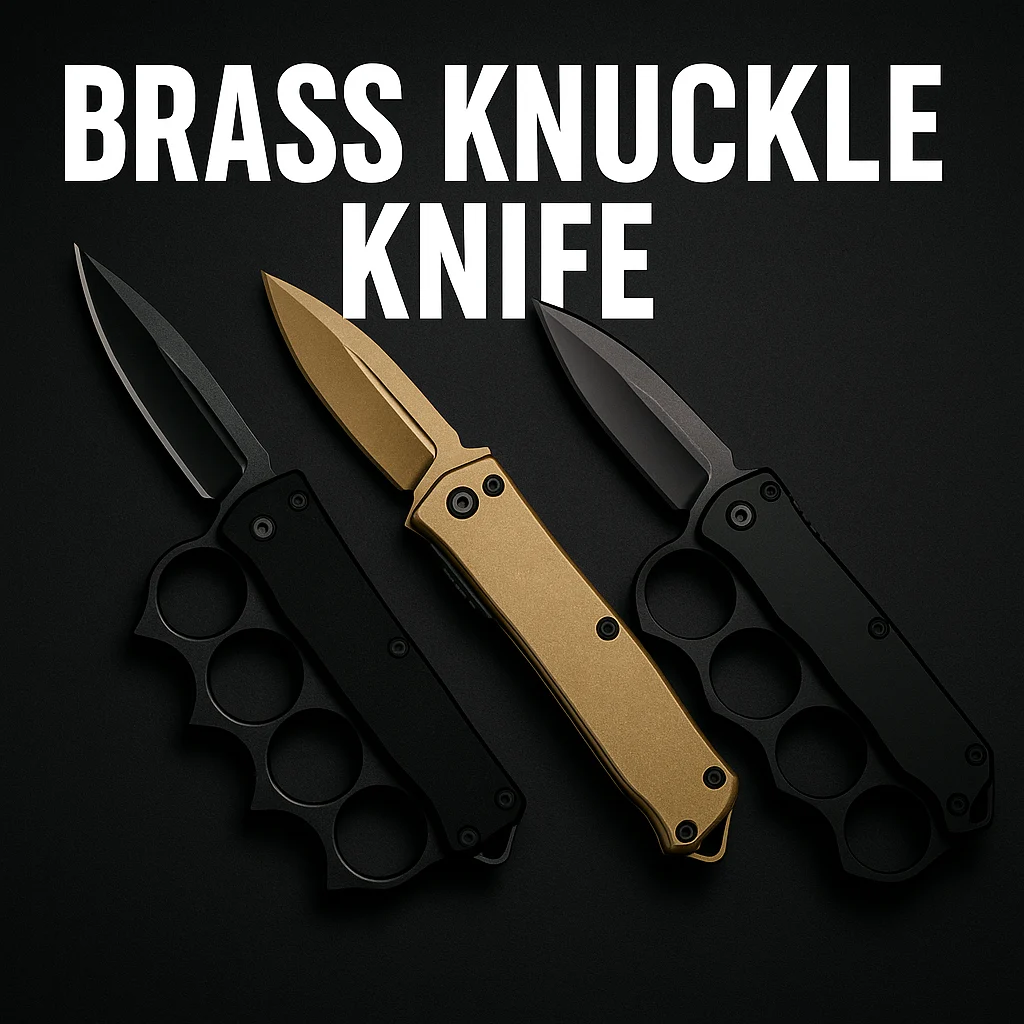
A pocket knife is best used as a small, controlled cutting tool for everyday tasks like opening packages, trimming cord, slicing fruit, or cleaning up loose material. The key is to open it carefully, keep your fingers clear of the blade path, cut away from your body, and close it securely when you are done. If you are buying for personal use, retail, or wholesale resale, the right folding knife should feel stable in the hand, open smoothly, and lock or hold safely during use.
Start with the right knife for the job
Before learning technique, choose a knife that matches the way it will actually be used. A compact everyday carry knife is ideal for light cutting tasks, while a larger folding knife may be better for heavier utility work. Blade shape, handle texture, lock type, and steel quality all affect how easy and safe the knife is to use.
For buyers stocking shelves or building wholesale assortments, it helps to think in use cases. Customers usually want a knife that feels comfortable in the hand, opens with one hand, and closes without frustration. If you are sourcing inventory, browse a focused folding knife wholesale category to compare styles that fit different price points and customer preferences.
How to open and hold a pocket knife correctly
Open the knife slowly and make sure your fingers are nowhere near the blade path. Many folding knives have thumb studs, thumb holes, or flipper tabs that make opening easier. Once open, confirm the blade is fully seated and the lock is engaged if the knife has a locking mechanism.
Grip the handle firmly but not tightly. Your thumb should rest naturally along the handle or spine area, while the other fingers wrap around the scales without slipping. A secure grip matters because a knife is safer and easier to control when the handle fits your hand well.
When evaluating products for resale or store display, look for these practical features:
- Solid lockup: reduces accidental closure during ordinary cutting tasks
- Comfortable handle shape: helps users maintain control
- Thumb-friendly opening method: makes everyday use smoother
- Good pocket clip placement: improves carry convenience
- Balanced weight: feels stable without being bulky
Use a pocket knife for simple everyday cutting tasks
A pocket knife is most useful when you treat it like a precision tool, not a pry bar or a multi-purpose wrench. Common tasks include opening tape, cutting twine, trimming packaging straps, peeling produce, or shaving small bits of material. Keep the cut short and controlled instead of forcing the blade through thicker material.
For example, if you are cutting a box, place the box on a stable surface and guide the blade through the tape with light pressure. If you are trimming cord or zip ties, make sure the item is held steady before cutting. For food prep, use the knife only on clean surfaces and clean the blade afterward.
Good use habits extend the life of the knife and improve customer satisfaction. A knife that cuts cleanly and feels predictable is far more likely to earn repeat buyers than one that looks aggressive but feels awkward in daily use.
Safe cutting habits that matter every time
Safety comes from repetition and attention. Always cut away from your hands, legs, and other body parts. Keep your non-cutting hand well clear of the blade path. If possible, move the material instead of changing the angle of your hand to force a cut.
It also helps to work over a stable surface with good lighting. A pocket knife should be used with deliberate motions, especially when the blade is new or very sharp. Sharp edges can be safer than dull ones because they require less pressure, but they still demand respect and careful handling.
Here are a few mistakes to avoid:
- Using the knife as a screwdriver, chisel, or pry tool
- Cutting toward your palm or fingers
- Trying to catch a falling knife
- Leaving the blade partially open in a pocket or bag
- Forgetting to check that the lock is fully engaged before use
How to close and store the knife properly
After use, close the knife slowly and with attention. If the knife has a liner lock, frame lock, or button-style release, keep your fingers clear of the blade path while disengaging the lock. Fold the blade fully into the handle before putting it away.
Storage matters for both safety and blade condition. Keep the knife dry, clean, and out of reach of children. If you carry it every day, check the pocket clip and pivot tension regularly so it stays dependable. For shop owners and distributors, clear packaging and simple handling instructions can reduce returns and customer confusion.
When you are building product assortments, consider how customers will store and carry the knife. Some buyers want a slim profile for pocket carry, while others prefer a more rugged folder for tool bags or work use. A well-chosen folding knife line should support all of those needs without becoming complicated.
Maintenance makes the knife easier to use
A pocket knife works better when it is clean and properly maintained. Wipe the blade after use, especially after cutting adhesive, food, or moisture-heavy materials. A small amount of oil on the pivot can help the knife open and close more smoothly, but use only what the manufacturer recommends.
Check the edge regularly. A dull blade can slip, which makes cutting more difficult and less controlled. Light sharpening or professional sharpening keeps the knife performing as intended. For wholesale buyers, maintenance-friendly designs are often easier to sell because customers appreciate products that stay dependable with minimal effort.
What buyers should look for in a pocket knife
If you are purchasing knives for a store, online catalog, or distribution channel, think beyond appearance. Customers often judge a folding knife by how it feels on first use. That means the opening action, handle ergonomics, blade finish, and overall sturdiness all matter.
Practical buying criteria include:
- Intended use: everyday carry, work, outdoor, or utility
- Blade length and profile: compact for portability or larger for utility tasks
- Handle material: grip, durability, and comfort
- Lock style: confidence during cutting and ease of closing
- Price tier: value models, mid-range sellers, or premium display pieces
For wholesale sourcing, it is often smart to carry a balanced mix of entry-level and upgraded models. That gives retailers flexibility and helps resellers serve different customer budgets. If you are expanding a folding knife selection, a dedicated folding knife wholesale collection can help you compare options efficiently.
Quick FAQ about using a pocket knife
What is a pocket knife mainly used for?
A pocket knife is mainly used for small cutting tasks such as opening boxes, trimming cord, slicing packaging, and handling other light utility jobs. It is designed for convenience, control, and everyday carry.
How do I know if the knife is safe to use?
Check that the blade opens smoothly, locks or holds securely, and does not wobble excessively. Also make sure the handle feels stable in your hand and the blade is clean and dry before use.
Can a pocket knife be used for food preparation?
Yes, many people use a pocket knife for simple food tasks such as cutting fruit or opening food packaging. Clean the blade before and after use, and follow local health and safety guidelines if using it around food regularly.
How should I carry one responsibly?
Carry it closed, secured, and according to local rules. Laws and carry restrictions can vary, so it is wise to verify local regulations before carrying or selling pocket knives in a specific market.
What makes a pocket knife easier for customers to use?
A comfortable handle, reliable lock, smooth opening action, and sharp edge all make a noticeable difference. Buyers tend to prefer knives that feel ready to work without complicated handling.
Final thoughts
Using a pocket knife well is mostly about control, care, and choosing a knife that fits the task. Open it safely, cut with purpose, keep your hands clear, and store it properly when finished. For shoppers, that means a better everyday tool. For retailers and wholesale buyers, it means stocking knives that are practical, easy to trust, and simple for customers to use again and again.