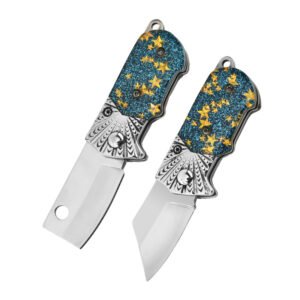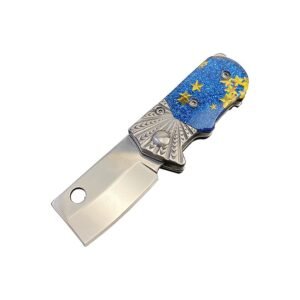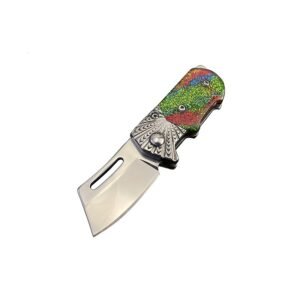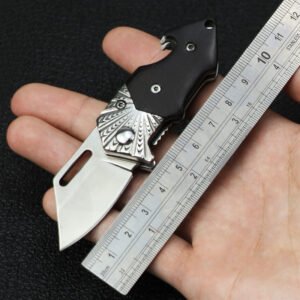


How to Prevent Rust on an OTF Knife


Short answer
Learn how to prevent rust on an OTF knife with a simple 5-step routine, exact actions after rain or sweat, and OTF-specific storage and lubrication tips.
Key Takeaways
- Knife rules can vary by state, city, blade style, opening mechanism, carry method, and intended use.
- Do not treat a product nickname as a legal category; check the actual features and local rule.
- Retailers should keep legal or safety language factual and avoid promising that one item is allowed everywhere.
Terms Used Here
- OTF
- Out-the-front; a knife design where the blade moves forward from the front of the handle.
- Sheath
- A protective cover used to store or carry a knife safely.
In this article
- 01 A 5-step OTF rust-prevention routine
- 02 Where rust usually starts on an OTF knife
- 03 If exposed to X, do Y
- 04 How often should you inspect and reapply protection?
- 05 Best practices by environment
- 06 Dry climate
- 07 Humid climate
- 08 High-sweat carry
- 09 Coastal or marine-adjacent use
- 10 What not to do before service
- 11 One short scenario: why OTF knives need faster drying
- 12 Do blade steel and finish matter?
- 13 FAQ
- 14 Can I use regular oil on an OTF knife?
- 15 Should I oil the inside of the handle to stop rust?
- 16 What should I do right after rain or sweat?
- 17 Is a little orange spotting serious?
- 18 How should I store an OTF knife long-term?
Prevent rust on an OTF knife by keeping the blade, blade channel, and button area dry, then applying only a very thin protective film to the blade surface. The default rule is simple: wipe it after each carry day, dry it immediately after any moisture exposure, and store it in a dry place; exceptions are sweat, rain, salt air, and long-term storage, which need extra attention the same day.
Normal: the blade deploys smoothly, the button feels crisp, and the cloth stays mostly clean after a wipe-down. Warning signs: orange specks near the blade base, dark staining at the blade opening, a gritty button track, or slower deployment after humid carry.
A 5-step OTF rust-prevention routine
- Wipe the blade after each carry day. Use a clean, dry microfiber cloth or soft cotton cloth. Focus on the full blade, especially the blade base and both sides near the portion that retracts into the handle.
- Dry the blade opening and handle mouth. If the knife has seen rain, sweat, or condensation, dry the opening immediately. A dry cloth, cotton swab around the opening, or low-pressure compressed air works well. Do not force debris deeper into the channel.
- Apply a very light protective film to the blade only. Use a drop of light mineral oil, a knife-specific rust protectant, or a silicone-free light protectant made for metal surfaces. Spread it into a thin film, then wipe off any visible excess. The blade should look protected, not wet.
- Keep oil out of the mechanism as much as possible. OTF knives do not benefit from being flooded. Avoid heavy grease, soaking sprays, and general-purpose household lubricants inside the blade channel or button track. Too much liquid attracts lint, holds grime, and can slow the action.
- Store it dry and outside moisture-holding materials. Do not leave an OTF knife long-term in leather sheaths, damp foam, or a pouch that traps humidity. For storage, a dry drawer or case with stable humidity is better than sealed packaging that can hold condensation.
Where rust usually starts on an OTF knife
Rust on an OTF often starts in places you do not inspect during normal use. That is why OTF care is different from basic fixed-blade or manual folder care.
- Blade base: This area disappears into the handle and can keep fingerprints, pocket lint, and salts longer than the visible edge.
- Blade channel: Water can enter through the blade opening and stay trapped inside longer than you expect.
- Button track: Sweat, dust, and residue around the slider can create drag and hold moisture.
- Internal hardware: Small steel parts can show corrosion first as rough action rather than obvious red rust.
Common user-observable symptoms include:
- Small orange dots near the heel of the blade after a humid day in the pocket.
- A faint brown-gray line where the blade enters the handle.
- The firing button feels rough or less crisp after sweat or rain exposure.
- A gritty sound or slightly sluggish deployment compared with normal action.
If exposed to X, do Y
| Situation | What to do |
|---|---|
| Daily pocket carry | At the end of the day, wipe the blade dry and inspect the blade base. Reapply a thin protective film only when the blade no longer looks or feels protected. |
| Rain exposure | Open the knife, wipe the blade dry, dry the opening and handle mouth, then leave the knife open for a short air-dry period before retracting. Add a thin film to the blade after it is dry. |
| Sweat exposure | Wipe the blade the same day. Pay extra attention to the blade base and the area around the opening, because body salts can spot steel quickly. |
| Coastal air or salt air | Inspect every few days if carried regularly. Wipe more often, keep a very light protective film on the blade, and do not leave salt residue on the knife overnight. |
| Storage over 30 days | Clean and dry the knife first, apply a thin protective film to the blade, and store it outside leather, damp foam, and unstable humidity. Check it about once a month in humid climates. |
How often should you inspect and reapply protection?
For most users, simple intervals work better than guesswork:
- After each carry day: quick wipe-down.
- After any rain, sweat, or condensation: dry it immediately and inspect the blade base and opening.
- In humid or coastal environments: inspect every 2 to 3 days if the knife is carried often.
- For storage: check monthly if the knife will sit for 30 days or more.
If the blade starts to look dry, shows fingerprint marks easily, or leaves light discoloration on a cloth after wiping, it is time to clean and reapply a thin protective film.
Best practices by environment
Dry climate
A daily wipe and occasional light protectant are usually enough. The biggest risk is forgetting about pocket lint and fingerprints around the blade base.
Humid climate
Use the same daily wipe routine, but inspect the blade opening and button area more often. Humidity increases the chance that moisture remains in the blade channel overnight.
High-sweat carry
If the knife rides close to the body, treat sweat like salt exposure. Wipe it the same day, even if the blade does not look wet.
Coastal or marine-adjacent use
Salt air is more aggressive than normal humidity. Keep the blade lightly protected, inspect often, and never store the knife dirty after outdoor carry near the coast.
What not to do before service
Do not try to solve rust by soaking the knife. On an OTF, too much liquid can create a second problem inside the mechanism.
- Do not flood the blade channel with oil.
- Do not pack the button track with grease.
- Do not spray large amounts of water-displacing chemicals into the handle and put the knife away immediately.
- Do not store the knife in leather or damp foam for long periods.
- Do not disassemble the knife unless you know the exact model and service procedure.
If rust has already affected deployment, a light wipe-down may not be enough. In that case, stop adding more product and get model-specific help through the after-sales inquiry page.
One short scenario: why OTF knives need faster drying
A manual knife gets caught in a light rain shower, is wiped once, and is usually fine. An OTF knife gets caught in the same rain, but a little water remains at the blade opening and around the slider. The outside looks dry, yet moisture sits in the channel overnight. The next day, the owner notices a slightly rough button feel and a faint mark near the blade base. That is why same-day drying matters more on an OTF than on many other knife types.
Do blade steel and finish matter?
Yes, but maintenance still matters more than marketing claims. Stainless blade steels generally resist rust better than less corrosion-resistant steels, and coated or stonewashed finishes can reduce visible spotting on exposed surfaces. Still, the hidden area near the blade base and inside the channel can collect moisture regardless of finish.
If you are comparing models, the OTF knife catalog can help you review different blade and finish options, but rust prevention still comes down to drying, light protection, and dry storage after carry.
FAQ
Can I use regular oil on an OTF knife?
Use a light mineral oil or a knife-specific rust protectant in a very small amount on the blade surface. Avoid heavy grease, thick oils, and soaking sprays inside the mechanism.
Should I oil the inside of the handle to stop rust?
No, not as a routine. The better approach is to keep moisture out, dry the opening after exposure, and avoid flooding the internal parts.
What should I do right after rain or sweat?
Wipe the blade dry immediately, dry the blade opening and handle mouth, let the knife air-dry briefly if needed, then apply a thin protective film to the blade.
Is a little orange spotting serious?
Light spotting is often early surface corrosion, but it should not be ignored. Clean and dry the knife right away and watch for rough action, staining near the blade base, or recurring spots.
How should I store an OTF knife long-term?
Store it clean, dry, and lightly protected in a stable, low-humidity place. Keep it out of leather sheaths, damp foam, and any packaging that traps moisture.