




Can You Bring a Pocket Knife on a Cruise? What Travelers Should Know

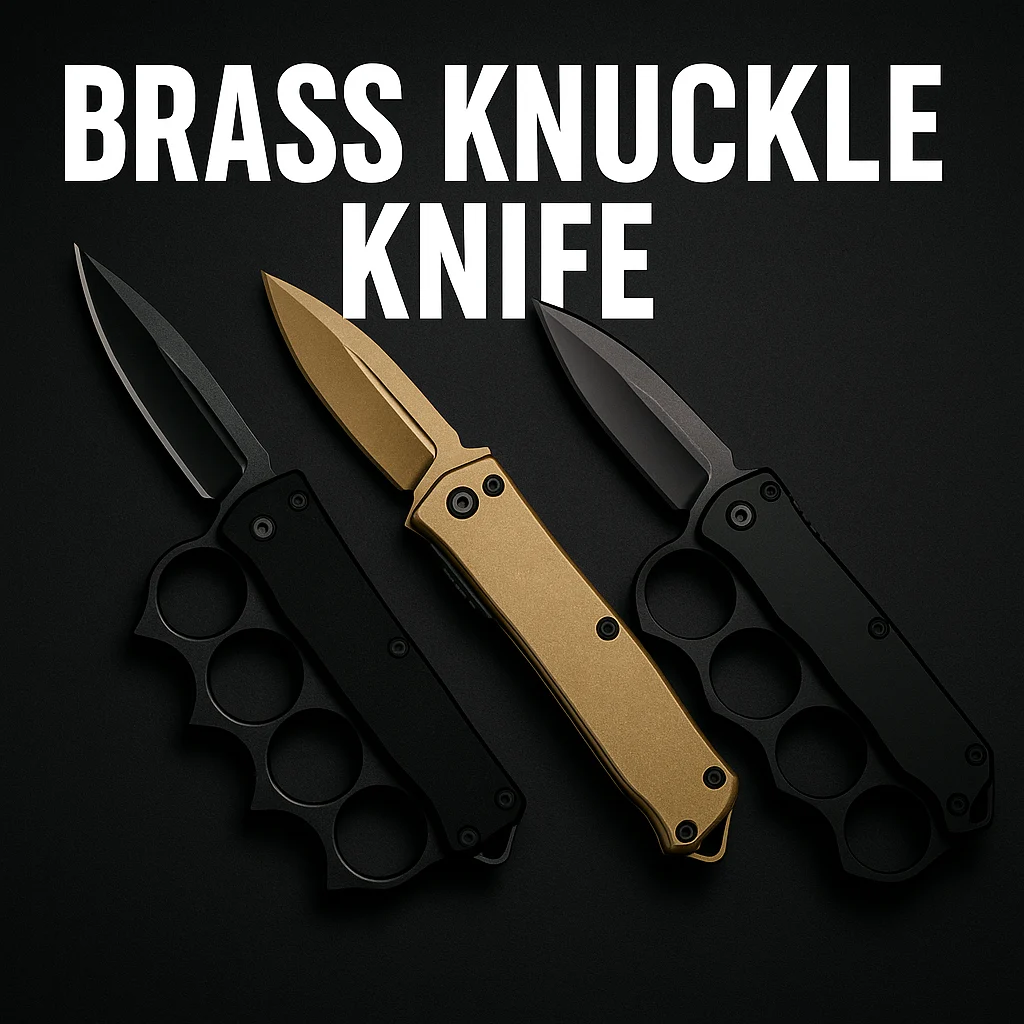
If you are asking whether you can bring a pocket knife on a cruise, the safest short answer is: sometimes, but often not in your carry-on and sometimes not at all depending on the cruise line, ship, and ports you visit. Cruise security rules are usually stricter than many travelers expect, so the right move is to check the specific line’s policy before you pack anything with a blade. A small folding knife may be allowed in some situations, but it can also be confiscated at embarkation or held until disembarkation if it does not meet the line’s rules.
For travelers, retail buyers, and resellers alike, this topic comes down to three things: blade restrictions, how the cruise line handles prohibited items, and whether the knife is actually useful enough to justify the risk of bringing it. A compact, legal folding knife can be practical for everyday tasks, but cruise travel is one of the places where a lighter, non-bladed tool often makes more sense.
What cruise passengers usually need to know first
Most cruise lines allow passengers to bring personal items onboard, but knives are treated differently from ordinary travel gear. Security teams screen luggage before boarding, and any blade may be flagged for review. Some cruise lines permit small pocket knives in checked luggage only, while others prohibit them completely. Even when a knife is technically allowed, the ship may still restrict where and how it can be stored.
That is why the question is not just “can you bring a pocket knife on a cruise?” but also “where will it be stored, and what happens if security finds it?” If a knife is rejected, the passenger may have to surrender it temporarily, mail it home, or leave it behind. Policies can also vary by itinerary, especially if your cruise includes international ports with different import rules.
Why cruise lines are careful about pocket knives
Cruise ships are controlled environments with thousands of guests, narrow hallways, shared public areas, and security procedures designed to reduce risk. Even a small folding knife can be considered a safety concern if it is accessible in public spaces or carried off the ship in port. Cruise lines generally want to avoid anything that could be used to threaten safety, damage property, or create an incident during embarkation screening.
That does not mean every knife is treated the same. A tiny keychain blade, a tactical-style folder, and a multi-tool with a blade may all be handled differently. The deciding factors often include blade length, locking mechanism, overall appearance, and whether the item is clearly a tool rather than a utility knife.
How to check whether your knife is allowed
The best source is always the cruise line itself. Look for the prohibited items list in the guest policy, baggage rules, or FAQ section. If the policy is unclear, contact customer service before you sail and ask specifically about the knife you plan to bring. Give them the blade length, type, and whether it will be packed in checked luggage or carried onboard.
For buyers and resellers who stock folding knives, this is also a useful reminder that customer education matters. A knife that sells well in everyday carry markets may not be a good travel item for cruise passengers. If you sell travel accessories or general utility tools, it helps to guide customers toward products that fit common restrictions instead of assuming one size fits all. If you need a broader selection for retail or wholesale assortments, you can review the folding knife wholesale category for style and feature comparisons.
Questions to ask before packing a knife
- Does the cruise line allow knives at all?
- Is there a blade length limit?
- Are locking blades prohibited?
- Must the knife be packed in checked luggage only?
- Will the knife be held until the end of the cruise if it is found?
- Do any ports on the itinerary have stricter rules than the ship?
What happens at security if you bring one anyway
If a pocket knife is found during screening, the response depends on the cruise line and the port. In some cases, security will tag the item and return it later. In others, it may be confiscated for the duration of the trip. There may also be paperwork, delays, or the need to retrieve the item after disembarkation. None of these outcomes is ideal when you are trying to start a vacation smoothly.
Passengers sometimes assume that a small blade tucked into a toiletry bag or backpack will go unnoticed. That is a common mistake. Cruise security checks bags carefully, and a knife can trigger additional screening even if it is tiny. It is better to assume that anything with a blade will be discovered.
Practical alternatives that are easier for cruise travel
Many travelers do not actually need a pocket knife on a cruise. If your goal is opening packages, trimming loose threads, or handling basic tasks in your cabin, consider safer alternatives that are less likely to cause a problem at security.
- Scissors with short blades: Some cruise lines allow small scissors in checked baggage, though rules vary.
- Multi-tools without a blade: Useful for small repairs or opening items, depending on the design.
- Reusable utility tools: Non-bladed options can cover many everyday travel needs.
- Hotel-style amenities: If you only need a cutter occasionally, ask guest services whether a tool can be borrowed onboard.
If you are a retailer or distributor, these alternatives can also be smart add-ons for customers who travel often. Many shoppers want practical gear, but they do not always want to navigate airline or cruise restrictions. Offering a mix of travel-friendly tools can reduce returns and improve customer satisfaction.
How to choose a folding knife for everyday use, not cruise use
For general carry outside of cruise travel, the best folding knife is usually one that matches the buyer’s intended use, local laws, and comfort level. Shoppers often look at blade size, handle material, opening action, pocket clip design, and locking strength. A wholesale buyer may also care about packaging, margin, durability, and whether a model has broad retail appeal.
When sourcing inventory, consider these criteria:
- Blade size and profile: Smaller, simpler blades often appeal to more casual buyers.
- Handle grip: Textured handles can improve control for everyday utility tasks.
- Locking mechanism: Buyers often prefer dependable locks for safe use.
- Weight and pocketability: Lightweight designs are easier to carry daily.
- Finish and style: Neutral looks tend to sell well across broader audiences.
For stores that serve outdoor customers, contractors, or collectors, folding knives remain a strong category. Just remember that travel restrictions make it important to set expectations clearly. A model that is perfect for work use may not be suitable for a cruise ship or an international itinerary.
Common mistakes travelers make
One of the biggest mistakes is assuming airport rules and cruise rules are similar. They are not. Another is packing a knife in a carry-on bag and expecting to keep it through boarding. Travelers also forget that port stops can involve local laws that differ from the ship’s policy. Even if a knife is allowed on the vessel, it may not be allowed ashore in every destination.
Other mistakes include bringing a knife as a “just in case” item without a real need, failing to read the prohibited-items page, and choosing a flashy or tactical-looking knife that draws extra scrutiny. If you are traveling for leisure, simplicity usually wins.
What wholesale buyers should keep in mind
If you sell knives to consumers, this is a useful topic to understand because customers often ask travel-related questions before they buy. A thoughtful catalog can include clear product descriptions, blade dimensions, and general-use guidance so buyers know what they are getting. That can help reduce confusion and improve trust.
Wholesale customers may also want to diversify into compact utility items that appeal to travelers without creating avoidable concerns. For example, a retailer who serves gift buyers or casual outdoor shoppers might stock folding knives alongside safer travel tools and accessories. Clear product positioning matters just as much as price and availability.
Quick FAQ for cruise travelers
Can you bring a pocket knife on a cruise in your carry-on?
Usually no, and in many cases it is not allowed at all. Cruise security often screens carry-on bags closely.
Can you pack a pocket knife in checked luggage for a cruise?
Sometimes, but not always. Some cruise lines still prohibit knives regardless of where they are packed.
What if my knife is very small?
Small size does not guarantee approval. Cruise lines may still treat any blade as restricted.
Will security take my knife away?
That can happen if the knife is not allowed under the cruise line’s policy. The outcome depends on the line and port procedures.
Should I just leave it at home?
For most cruise vacations, yes. Unless you have confirmed the policy in advance and genuinely need it, leaving the knife at home is usually the easiest option.
In the end, the safest approach is to verify the cruise line’s rules before you pack. A pocket knife may be a useful everyday tool on land, but cruise travel often calls for simpler gear and fewer surprises. If you sell knives, that same principle applies to your customers: help them choose products that fit how they actually live and travel, not just how they shop.