




Can I Fly With a Pocket Knife?

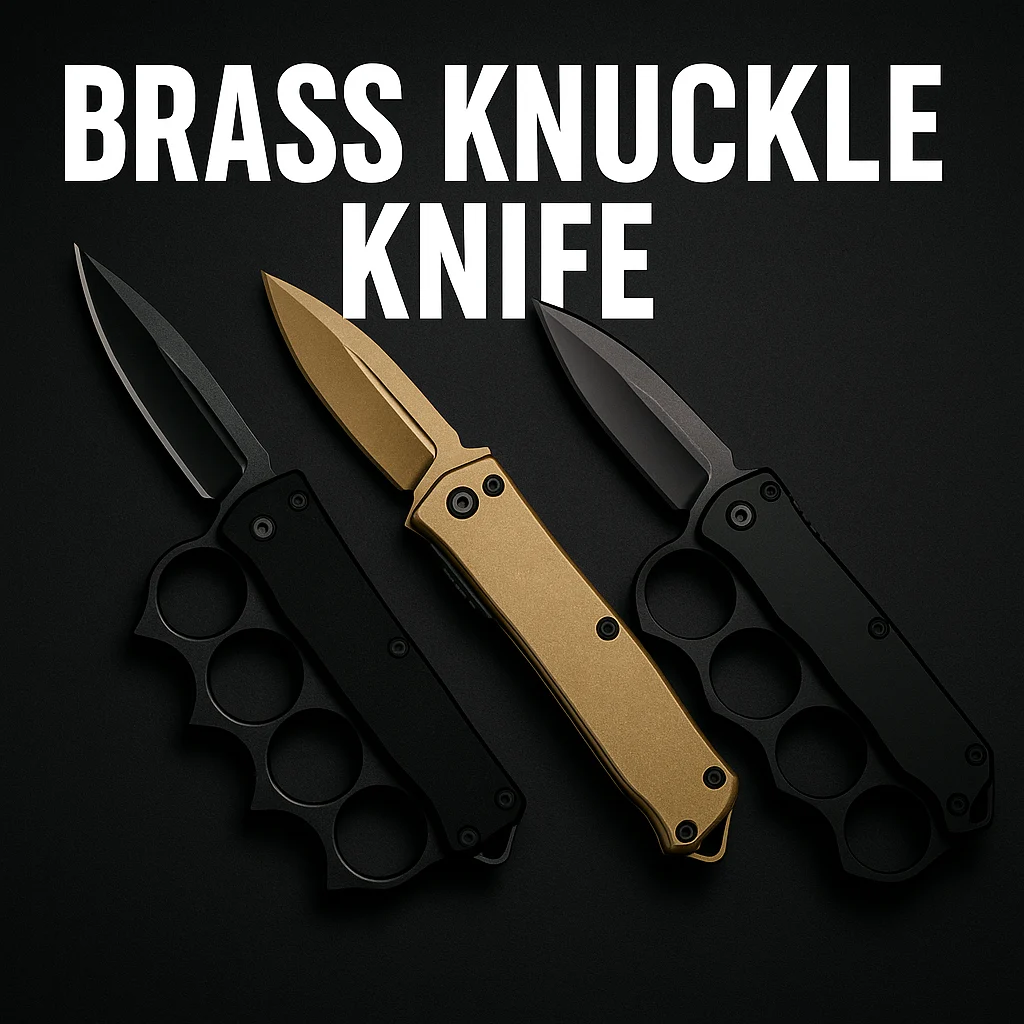
If you are asking, “can I fly with a pocket knife,” the safest practical answer is usually no in your carry-on bag, and only with caution in checked baggage if local rules and airline policies allow it. Airport security commonly treats pocket knives as prohibited items in the cabin, even small folding knives, so travelers should assume they cannot bring one through a checkpoint unless they have verified the rules for their departure and destination airports. Because laws and screening policies can change, always confirm before you travel.
For shoppers, retailers, and wholesale buyers, this matters because many customers choose folding knives for daily carry without realizing how often they run into travel restrictions. A good knife may be useful at work, on the road, or for outdoor tasks, but flying adds another layer of responsibility. If you stock or resell knives, clear guidance can help reduce returns, complaints, and confusion.
What usually happens at airport security
In many countries, security officers will not allow pocket knives in carry-on luggage. That includes compact folding knives, assisted-opening knives, and multi-tools with blades. Even if the blade is short, the item may still be removed at screening. The issue is not only blade length; it is also the presence of a cutting edge and the rules of the specific airport or transportation authority.
Checked baggage is different. Some travelers are permitted to pack a pocket knife in a checked bag, but that does not mean every knife is automatically accepted everywhere. You still need to follow airline rules, destination laws, and any restrictions at connecting airports. If you are flying internationally, the rules can be stricter or simply different from what you are used to at home.
Why “small” does not always mean “allowed”
A common mistake is assuming a tiny folding knife is harmless enough to pass through. Security screening is usually based on category, not just size. A 2-inch blade, a compact gentleman’s folder, or a keychain knife can still be treated as a prohibited sharp object. Travelers sometimes discover this only when they reach the checkpoint, which can mean surrendering the knife, placing it in checked luggage if time allows, or missing the flight.
How to travel with a pocket knife more safely
If you need to travel with a knife for work, camping, fishing, or everyday use, the best approach is to pack it before you leave for the airport and verify the rules in advance. Do not carry it loosely in a pocket, backpack, or laptop bag. If it is allowed in checked baggage, secure it so it cannot open during transit and cannot damage other items.
- Check the airline’s baggage policy before you pack.
- Review the airport or transportation authority rules for both departure and arrival locations.
- Confirm whether your knife is allowed in checked baggage, and whether any blade-length limits apply.
- Use a protective sheath, case, or folded position to reduce the chance of accidental opening.
- Keep knives away from children and store them responsibly once you arrive.
These steps do not replace local law, but they can help you avoid the most common travel problems. If you are buying knives for resale, it is also useful to include simple packing guidance with the product so customers understand how to store it responsibly when traveling.
What buyers should look for in a travel-friendly folding knife
Not every pocket knife is equally convenient for customers who travel often. Retail buyers and wholesale shoppers should consider the features that make a folding knife easier to own, store, and transport responsibly. A clean, well-made folder with a secure lock, smooth closing action, and compact profile is often easier for customers to manage than a bulky model with extra parts or aggressive styling.
Useful buying criteria include blade length, lock type, pocket clip design, handle material, and overall weight. A lighter knife is easier to carry, while a pocket clip can help keep the knife in one place instead of loose in a bag. For buyers serving outdoor customers, tradespeople, and everyday users, practical designs tend to move better than novelty pieces.
- Blade length: Smaller blades may be easier to carry daily, though they still may not be allowed in carry-on luggage.
- Locking mechanism: A secure lock helps with safe handling and storage.
- Handle grip: Textured or ergonomic handles can improve control for lawful tasks.
- Weight and size: Compact folders are often better for everyday carry.
- Materials: Stainless steel blades and durable handle materials are popular for low-maintenance ownership.
If you are sourcing inventory, the folding knife wholesale category is a practical place to compare styles that appeal to different customer groups, from casual users to gift buyers and outdoors-focused retailers.
Common mistakes travelers make
One of the biggest mistakes is leaving a pocket knife in a jacket pocket or personal item and forgetting about it until the security checkpoint. Another is assuming that because a knife was purchased legally, it can be carried everywhere. Ownership rights and travel rules are not the same thing.
People also get caught out by multi-tools. Many travelers think of them as harmless utility items, but if they include a blade, the same restrictions may apply. Likewise, customers sometimes believe that a “non-locking” folding knife will be treated differently. In practice, the exact rule depends on the authority screening the bag, so it is better to verify than to guess.
For resellers and store owners, these misunderstandings can lead to poor customer experiences. A simple note on product pages or shelf cards that says travelers should check airport and airline rules can save time for both the seller and the buyer.
When a pocket knife makes sense and when it does not
A pocket knife is a useful tool for daily tasks such as opening packages, trimming cord, or handling outdoor chores. It makes sense for customers who want a compact, reliable tool for work or recreation. It does not make sense as a carry-on item for a flight unless the traveler has confirmed it is permitted, which is uncommon in many places.
For frequent flyers, a better approach is to keep one knife in a home kit, another in a vehicle or work bag where legal, and avoid relying on a knife that must pass through airport screening. This reduces the chance of losing a favorite tool at the checkpoint and makes travel less stressful.
Quick FAQ for travelers and buyers
Can I fly with a pocket knife in my carry-on?
Usually no. Many airports and security agencies do not allow pocket knives in carry-on bags. Always verify the current rules before traveling.
Can I put a pocket knife in checked luggage?
Sometimes, but not always. Checked-bag rules can vary by airline, country, and route, so confirm before you pack.
Does blade length matter?
It can matter under some local rules, but a short blade does not automatically make a knife acceptable for air travel.
What about multi-tools with a small blade?
They may still be restricted if they include a blade. Do not assume a multi-tool is exempt.
What should wholesale buyers tell customers?
Give simple, clear guidance: pocket knives are commonly restricted in carry-on luggage, and travelers should check airline and local rules before flying.
Final thoughts for travelers and knife buyers
If you are wondering, “can I fly with pocket knife,” the practical answer is to treat it as a restricted item unless you have confirmed otherwise. That protects your time, your belongings, and your trip. For shoppers and wholesale buyers, the best products are the ones that combine everyday usefulness with safe handling, reliable build quality, and clear ownership expectations.
Travel rules are not the same everywhere, so verify local regulations before flying. If you are stocking folding knives for retail or resale, choosing dependable models and giving customers straightforward guidance can make the buying experience smoother and more trustworthy.